

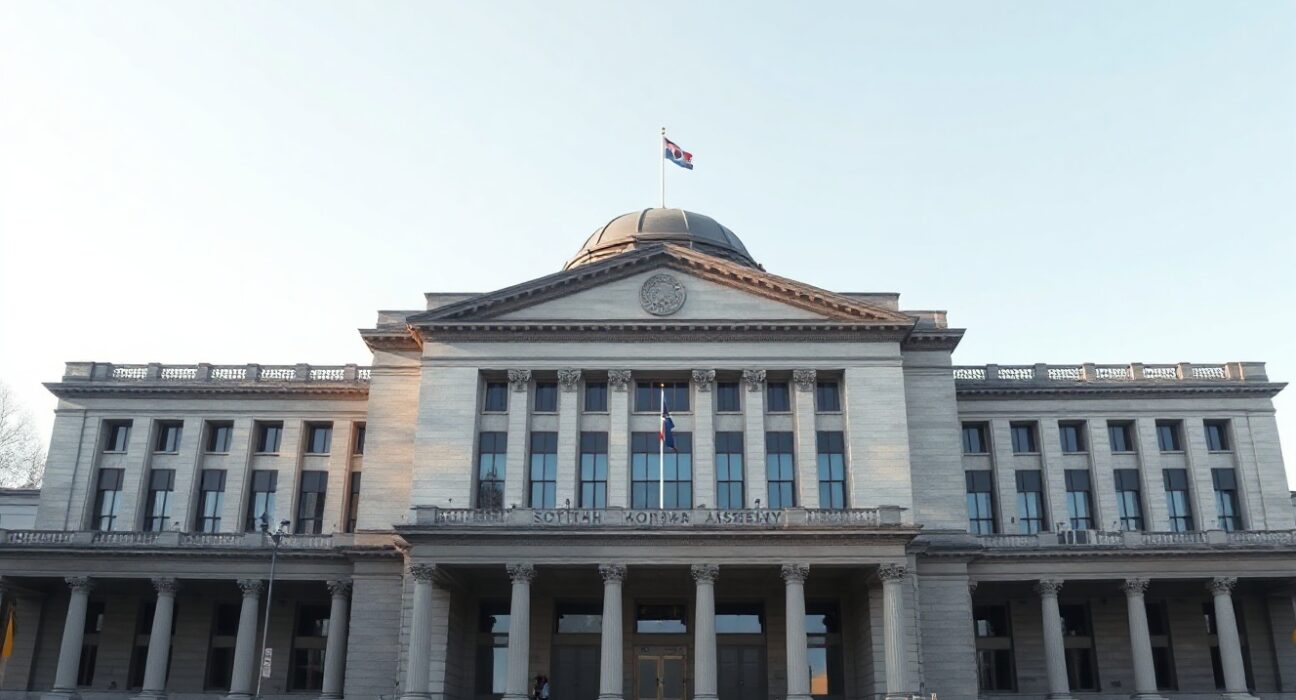
A South Korean lawmaker has publicly urged the government to abandon its planned taxation of virtual asset gains, arguing the policy unfairly targets cryptocurrency investors and could drive national wealth overseas. Park Soo-young, a prominent political figure, made the call on his YouTube channel ‘Park Soo-young’s Economy TV’ on August 13, according to Digital Asset.
Park’s Argument Against the Tax
Park criticized the proposed tax as punitive, noting that it would affect approximately 13 million digital asset users in South Korea. He drew a sharp contrast between the government’s decision to abolish the financial investment income tax—a move intended to support the domestic stock market—and the simultaneous imposition of a heavy tax burden solely on virtual asset holders. In his view, this dual approach effectively pressures investors to put their money into local equities or face disproportionate taxation.
The lawmaker warned that such a policy would not revitalize the domestic stock market as intended. Instead, he argued, it would accelerate the outflow of national wealth to overseas markets, where digital asset taxation may be more favorable or less punitive. His remarks reflect a growing debate in South Korea over how to regulate and tax the rapidly expanding cryptocurrency sector.
Context and Background
South Korea has been grappling with how to integrate virtual assets into its financial system for years. The government initially planned to impose a 20% tax on crypto gains starting in 2022, but the implementation has been delayed multiple times due to market volatility and industry pushback. The current proposal, which Park is contesting, is part of a broader tax reform package that has sparked controversy among investors and lawmakers alike.
Proponents of the tax argue that it is necessary to ensure fairness and generate revenue from a sector that has seen significant growth. However, critics like Park contend that the tax is ill-timed and discriminatory, especially when compared to the favorable treatment of traditional stock investments. The debate comes amid a global trend of countries reassessing their crypto tax policies, with some opting for more lenient regimes to attract innovation and investment.
Implications for Investors and the Market
If the tax is implemented as planned, South Korean crypto investors could face a significant financial burden, potentially prompting them to move their assets to jurisdictions with more favorable tax conditions. This could undermine the government’s goal of fostering a transparent and thriving digital asset market. Park’s call to scrap the tax may resonate with many in the crypto community, but it remains to be seen whether his influence can sway policy decisions.
For investors, the uncertainty surrounding the tax is a key concern. Many are waiting for clarity before making long-term decisions, which could slow market activity in the short term. The outcome of this debate will likely have ripple effects across the broader Asian crypto market, as South Korea is one of the largest and most active trading hubs in the region.
Conclusion
Park Soo-young’s public opposition to the virtual asset tax highlights a critical juncture in South Korea’s approach to cryptocurrency regulation. While the government seeks to balance fiscal needs with market growth, the risk of capital flight and investor discontent looms large. As the debate unfolds, stakeholders will be watching closely to see whether policymakers heed these warnings and adjust their course.
FAQs
Q1: What is the proposed virtual asset tax in South Korea?
The proposed tax would impose a 20% levy on gains from virtual asset transactions, with implementation delayed multiple times. It is part of a broader tax reform package that has faced criticism from investors and some lawmakers.
Q2: Why is lawmaker Park Soo-young against the tax?
Park argues the tax is punitive and unfairly targets digital asset investors, especially when compared to the government’s abolition of the financial investment income tax for stocks. He warns it could drive capital out of the country.
Q3: How might this affect the crypto market in South Korea?
If the tax is enacted, it could lead to reduced trading activity and capital flight to overseas exchanges. Conversely, scrapping it could boost investor confidence and reinforce South Korea’s position as a leading crypto market.
Disclaimer: The information provided is not trading advice, Bitcoinworld.co.in holds no liability for any investments made based on the information provided on this page. We strongly recommend independent research and/or consultation with a qualified professional before making any investment decisions.
