

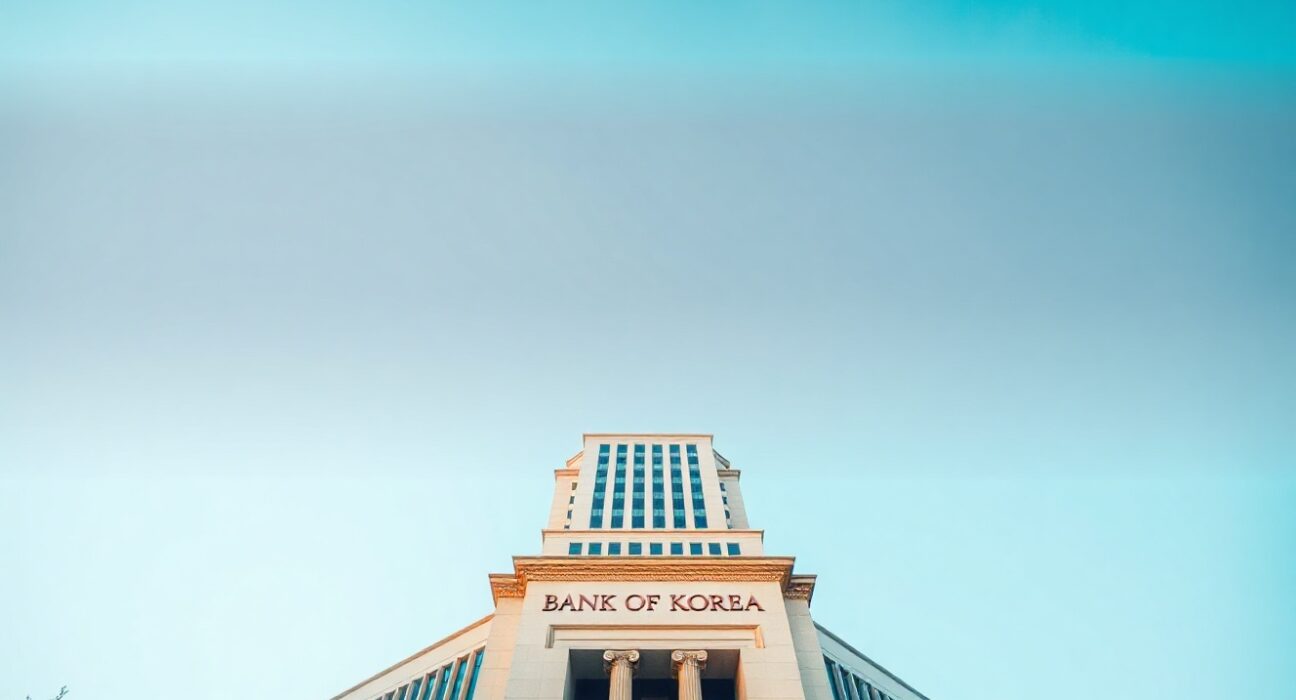
Analysts at DBS Bank have described the outlook for monetary policy tightening in South Korea as modest, suggesting the Bank of Korea (BOK) is likely to proceed with caution rather than aggressive rate increases. The assessment, published in a recent research note, points to a balancing act between managing inflation and supporting a slowing economy.
DBS: Cautious Approach Ahead for BOK
DBS economists noted that while inflationary pressures remain a concern, the pace of price growth has moderated from earlier peaks. This gives the BOK room to move gradually. The central bank has already raised its benchmark interest rate several times since 2021, but the latest commentary from DBS indicates that further hikes will be measured.
The analysts highlighted that domestic demand is showing signs of softening, which reduces the urgency for aggressive tightening. Export growth, a key driver of the South Korean economy, has also faced headwinds from global trade uncertainties. These factors collectively suggest that the BOK will prioritize stability over shock therapy.
Inflation and Growth in the Balance
South Korea’s consumer price inflation has eased from a peak of over 6% in mid-2022 to around 3% in recent months, still above the BOK’s 2% target. The central bank has emphasized that it wants to see inflation sustainably returning to target before pausing or reversing its tightening cycle.
However, DBS points out that the economic growth outlook has weakened. The BOK recently trimmed its 2023 GDP growth forecast to 1.4%, down from an earlier estimate of 1.6%. This slowdown is partly due to a global tech downturn affecting South Korea’s semiconductor exports. The balancing act between controlling inflation and not stifling growth is at the heart of the BOK’s cautious stance.
What This Means for Markets and Consumers
For financial markets, the prospect of only modest tightening means that South Korean bond yields may not rise sharply in the near term. For consumers and businesses, it suggests that borrowing costs, while elevated, may not climb much further. Mortgage holders and small businesses, in particular, could benefit from a slower pace of rate increases.
The DBS view aligns with a broader consensus among economists that the BOK is nearing the end of its tightening cycle. However, any unexpected spike in inflation—due to global energy prices or supply chain disruptions—could force the central bank to reconsider.
Conclusion
DBS’s assessment of modest tightening prospects for South Korea reflects a central bank carefully navigating between persistent inflation and a cooling economy. The analysis provides a measured outlook for interest rates, with implications for investors, businesses, and households. The BOK’s next policy meeting will be closely watched for confirmation of this gradual approach.
FAQs
Q1: What did DBS say about South Korea’s interest rate outlook?
DBS analysts described the tightening prospects as modest, meaning the Bank of Korea is likely to raise rates slowly and cautiously rather than aggressively.
Q2: Why is the Bank of Korea expected to be cautious?
Because inflation has moderated from its peak, while economic growth is slowing due to weaker exports and domestic demand. The BOK wants to avoid damaging the economy.
Q3: How might this affect South Korean borrowers?
If the BOK raises rates only modestly, borrowing costs may not increase much further, providing some relief for mortgage holders and businesses.
Disclaimer: The information provided is not trading advice, Bitcoinworld.co.in holds no liability for any investments made based on the information provided on this page. We strongly recommend independent research and/or consultation with a qualified professional before making any investment decisions.
