

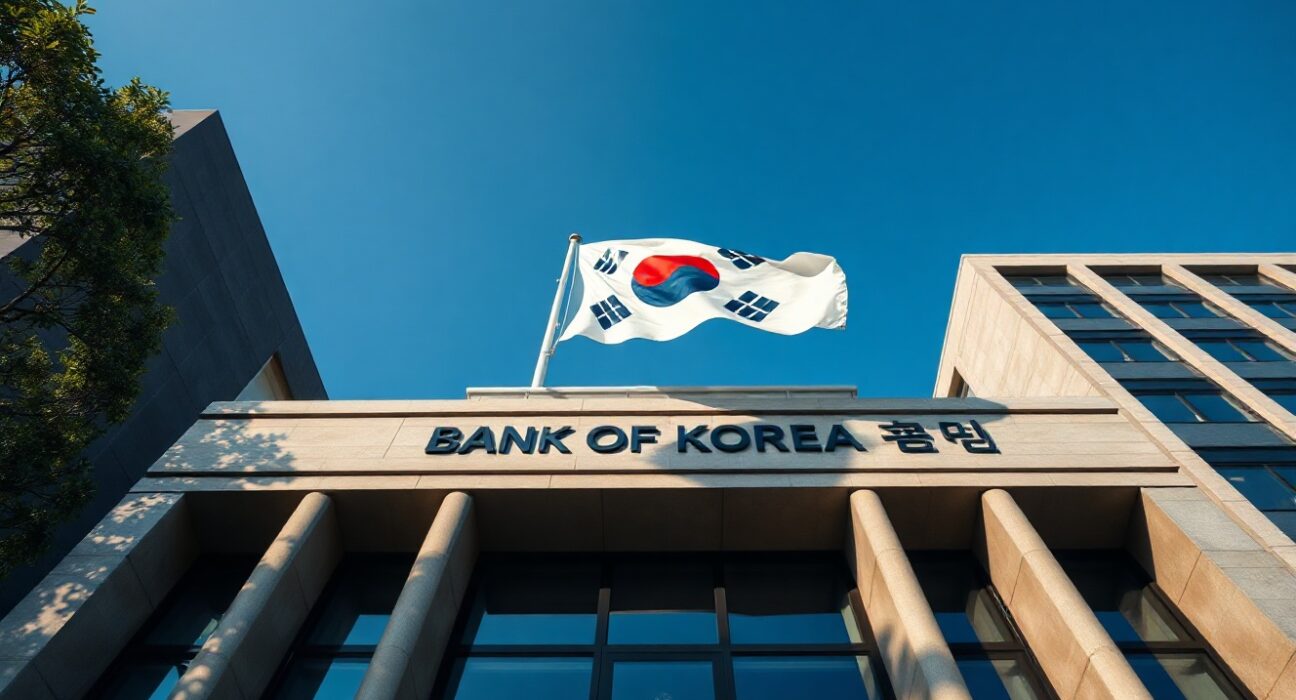
South Korean authorities have intensified their efforts to defend the won against sustained depreciation pressure, according to a new analysis from BNY. The move comes as the currency continues to face headwinds from a strong US dollar and geopolitical uncertainties in the region.
BNY Analysis Highlights Increased Intervention
In a note to clients, BNY strategists pointed to clear signs that Seoul is stepping up its foreign exchange defense. The bank’s proprietary flow data suggests official sector intervention has increased in recent sessions, aimed at smoothing volatility and preventing a disorderly decline in the won. The analysis indicates that authorities are likely using a combination of direct market intervention and verbal warnings to signal their commitment to currency stability.
Context and Market Implications
The won has been one of the worst-performing Asian currencies this year, pressured by the Federal Reserve’s hawkish stance and a flight to safe-haven assets. South Korea’s export-dependent economy is particularly sensitive to currency fluctuations, as a weaker won raises import costs for energy and raw materials while boosting export competitiveness. The BNY report underscores that the central bank and finance ministry are now more actively engaged in managing the exchange rate to avoid overshooting that could destabilize financial markets.
What This Means for Investors
For market participants, the stepped-up defense signals that the authorities are willing to use their considerable reserves — still among the world’s largest — to defend the currency. This can create short-term trading opportunities but also introduces policy risk. Investors should watch for further verbal intervention or actual dollar-selling operations, which could trigger sharp but temporary rebounds in the won. The BNY analysis adds a layer of transparency to the opaque world of central bank intervention, giving traders data-driven clues about official activity.
Conclusion
The BNY report confirms that South Korea is actively defending the won, a development that underscores the broader challenges facing Asian currencies in a strong dollar environment. While intervention can slow depreciation, sustained relief for the won will likely depend on broader shifts in US monetary policy and global risk appetite. For now, the market should expect continued official presence in the FX market.
FAQs
Q1: Why is the South Korean won weakening?
The won is under pressure primarily due to the strong US dollar, driven by the Federal Reserve’s high interest rates, as well as geopolitical tensions and global risk aversion that push investors toward safe-haven currencies.
Q2: How do South Korean authorities defend the won?
They use a mix of direct intervention (selling US dollars from reserves), verbal warnings, and adjustments to market operations. BNY’s analysis tracks these activities through proprietary flow data.
Q3: Does FX intervention always work?
Intervention can reduce short-term volatility and prevent disorderly moves, but it is rarely a long-term solution. Sustained currency stability typically requires alignment with macroeconomic fundamentals, including interest rate differentials and trade balances.
Disclaimer: The information provided is not trading advice, Bitcoinworld.co.in holds no liability for any investments made based on the information provided on this page. We strongly recommend independent research and/or consultation with a qualified professional before making any investment decisions.
