

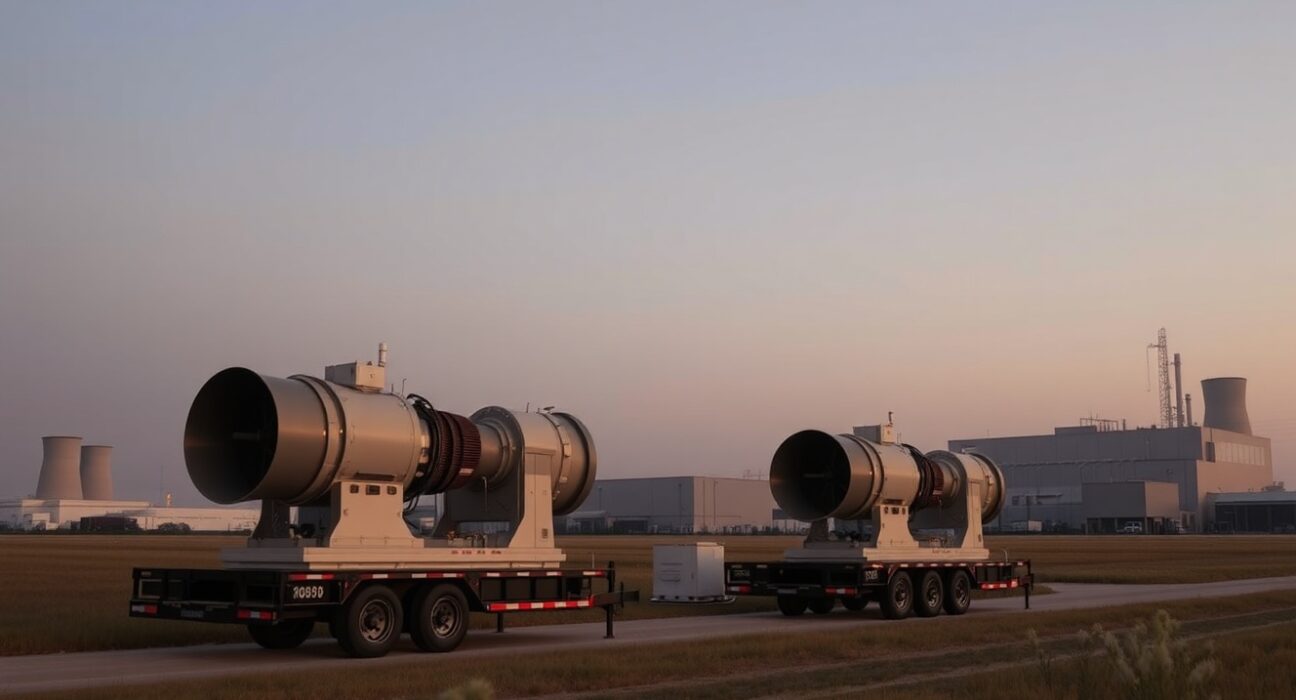
SpaceX announced on Thursday that it will continue operating unpermitted gas turbines powering its xAI data centers near Memphis, Mississippi, until July 2027, as it transitions to a permanent 1.2 gigawatt natural gas power plant. The company currently operates 69 gas turbines at the Colossus data center complex, many of which have been running for months without required environmental permits, according to federal regulations.
Legal and Environmental Challenges
The NAACP and the Southern Environmental Law Center have filed lawsuits against xAI over the unpermitted turbines, citing concerns about air quality in a region already among the most polluted in the U.S. The turbines have the potential to emit more than 2,000 tons of smog-forming nitrogen oxides (NOx) annually. SpaceX, which acquired xAI in February, argues that the turbines are exempt from permitting because they remain on the trailers on which they were shipped. However, federal rules state that the size and operational use of these turbines require permits regardless of their mounting.
Last month, the Department of Justice sided with SpaceX in the NAACP lawsuit, stating that the unpermitted turbines are a matter of “national, economic, and energy security.” This federal support underscores the tension between rapid AI infrastructure development and environmental compliance.
Transition to Permanent Power Plant
SpaceX is building a new power plant comprising 41 gas turbines, ranging from 16.48 megawatts to 50 megawatts, according to permit documents issued by Mississippi. These turbines appear to differ from the 69 currently in use, though the specific models of the existing units could not be verified. In its IPO filing, SpaceX stated plans to purchase $2.8 billion worth of gas turbines over the next three years for its data centers.
Earlier this year, Elon Musk acquired APR Energy, a company specializing in temporary natural gas power. Archived versions of APR Energy’s website show that its turbine fleet also differs from those cited in the new power plant permits. This suggests that the new turbines may be intended for another, unannounced project, raising questions about the company’s broader energy strategy.
Why This Matters
This situation highlights the growing conflict between the rapid expansion of AI data centers and environmental regulations. As tech giants race to build massive computing infrastructure, local communities and advocacy groups are increasingly challenging the environmental impact. The outcome of this case could set a precedent for how data center operators handle permitting and emissions in the future.
Conclusion
SpaceX’s decision to keep unpermitted turbines running until 2027, despite legal challenges, reflects the high stakes of AI infrastructure development. The company is betting on a permanent power solution, but the interim period raises significant environmental and legal questions. The resolution of these lawsuits and the completion of the new power plant will be closely watched by both industry and environmental advocates.
FAQs
Q1: Why are the xAI turbines considered unpermitted?
Federal regulations require permits for gas turbines based on their size and operational use, regardless of whether they are mounted on trailers. SpaceX’s turbines exceed the size threshold, and their continuous operation triggers the need for environmental permits.
Q2: What are the environmental concerns?
The turbines have the potential to emit over 2,000 tons of nitrogen oxides annually, contributing to smog and worsening air quality in a region already burdened with pollution. The NAACP and the Southern Environmental Law Center have filed lawsuits to address these concerns.
Q3: When will the unpermitted turbines be removed?
SpaceX plans to remove all unpermitted turbines by July 2027, when the new 1.2 gigawatt natural gas power plant is expected to be fully operational. Until then, the existing turbines will continue to operate.
Disclaimer: The information provided is not trading advice, Bitcoinworld.co.in holds no liability for any investments made based on the information provided on this page. We strongly recommend independent research and/or consultation with a qualified professional before making any investment decisions.
