

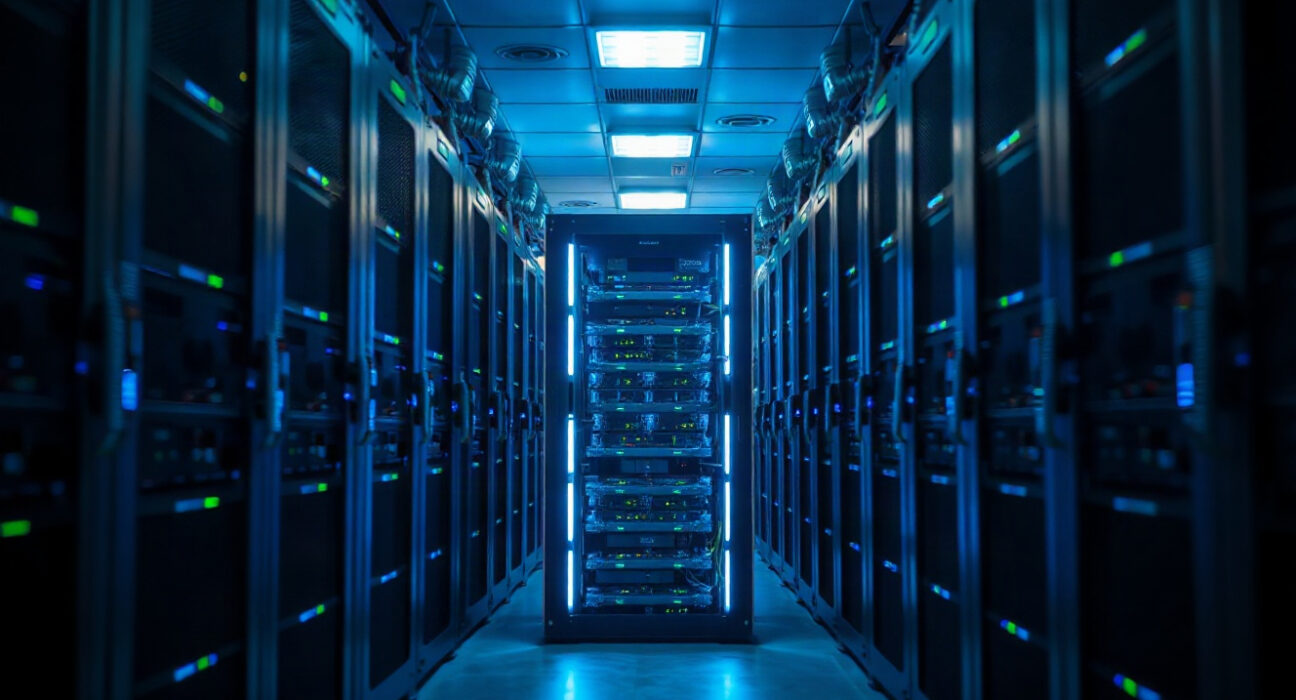
Silicon Data, a startup focused on financial infrastructure for AI, is developing a pricing mechanism for compute resources, aiming to give Wall Street firms a way to value and hedge the massive costs of GPUs and data centers. As of early 2025, the company is building indices and benchmarks that track the cost of AI compute, addressing a critical gap in a market where hundreds of billions of dollars are spent annually on infrastructure but no standardized pricing exists.
The growing need for compute price transparency
The rapid expansion of AI has made compute the single largest operational cost for companies building and running AI models. Yet unlike commodities such as oil or wheat, there is no transparent futures market for GPU processing power. This lack of price visibility creates significant financial risk for firms that commit to multi-year data center leases or massive hardware purchases without a clear understanding of future value.
Silicon Data aims to fill that void by creating benchmarks that reflect the real-world cost of compute, taking into account hardware depreciation, energy costs, and utilization rates. The startup’s work is still in early stages, but it has already attracted attention from financial institutions that see parallels to how energy markets evolved with standardized pricing and hedging instruments.
How Silicon Data’s approach could reshape AI economics
The company is reportedly working on a system that would allow firms to hedge their exposure to compute price fluctuations, similar to how airlines hedge fuel costs. If successful, this could enable more predictable budgeting for AI projects and potentially unlock new forms of financing for data center operators.
However, the challenge is substantial. Compute is not a homogeneous commodity—different chips, cloud providers, and geographic regions have vastly different pricing structures. Creating a reliable index requires aggregating data from a fragmented market and establishing a methodology that participants trust.
Why this matters for the broader tech and finance sectors
The development of compute pricing benchmarks could have far-reaching implications. For technology companies, it might lead to more efficient capital allocation and reduce the risk of overbuilding. For investors, it could provide a new asset class to trade and hedge. For regulators, it may raise questions about market manipulation and transparency in a critical part of the digital economy.
Silicon Data’s efforts are part of a broader trend of financial innovation around AI infrastructure, as the industry matures from a period of rapid experimentation to one of sustainable growth. The startup’s ability to deliver a credible pricing mechanism will be key to its success, and to the confidence of firms that depend on compute as a strategic resource.
Conclusion
Silicon Data is attempting to bring financial discipline to the AI compute market, which has grown rapidly but lacks the pricing infrastructure typical of other major industries. While the startup’s work is still developing, it addresses a real and pressing need for transparency and risk management. As the AI buildout continues, the ability to price and hedge compute could become as important as the technology itself.
FAQs
Q1: What is AI compute pricing?
AI compute pricing refers to the cost of using computational resources, such as GPUs, to train and run AI models. It includes hardware, energy, and operational expenses. Currently, there is no standardized way to price or trade these resources, which Silicon Data aims to change.
Q2: Why is there no existing market for compute hedging?
Compute is a complex and heterogeneous resource, with prices varying by provider, chip type, and region. Unlike commodities like oil, it lacks a centralized exchange and standardized contracts, making it difficult to create a transparent and liquid market for hedging.
Q3: How could compute price indices benefit businesses?
With reliable price indices, businesses could better forecast costs, negotiate contracts, and hedge against price volatility. This would reduce financial risk and potentially lead to more stable investment in AI infrastructure, similar to how energy markets operate.
Disclaimer: The information provided is not trading advice, Bitcoinworld.co.in holds no liability for any investments made based on the information provided on this page. We strongly recommend independent research and/or consultation with a qualified professional before making any investment decisions.
