

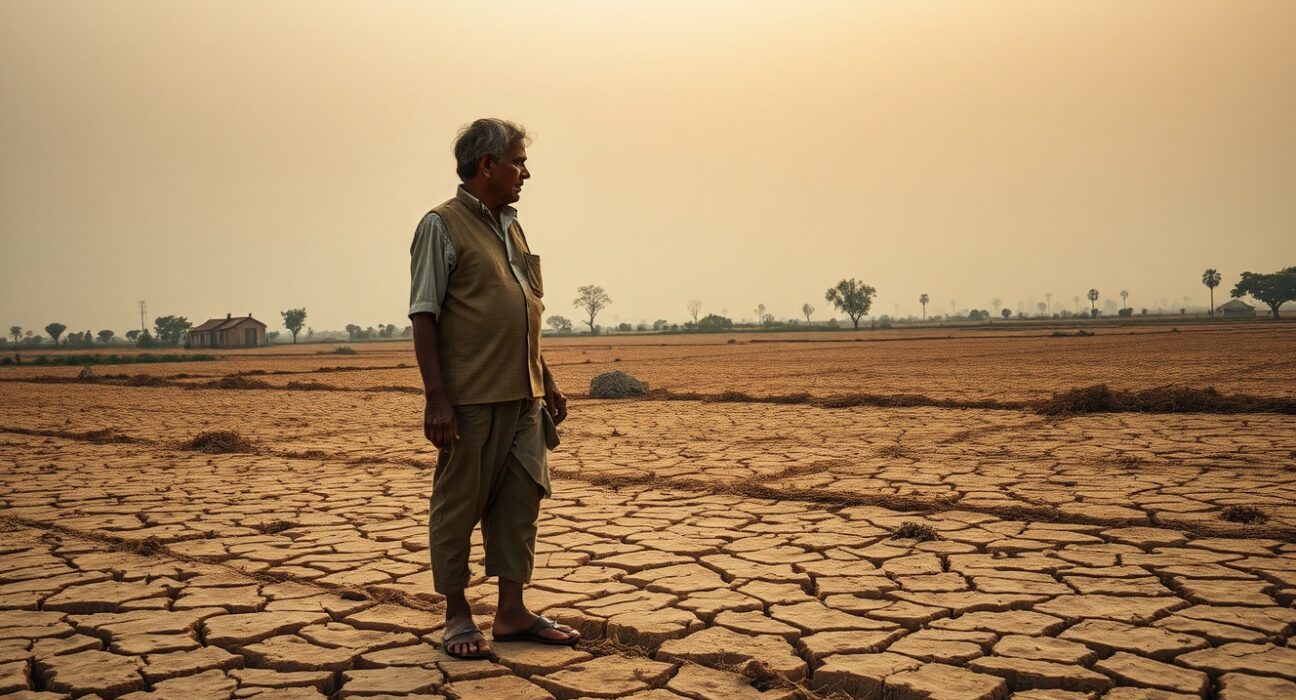
Standard Chartered has identified weather-driven inflation as a significant emerging risk for the Indian economy, according to a recent research note from the bank. The warning comes as erratic monsoon patterns and the potential return of El Niño conditions threaten to disrupt agricultural output and push food prices higher, adding pressure on the Reserve Bank of India’s (RBI) inflation management efforts.
Weather Patterns and Food Price Pressures
The bank’s analysis points to a direct correlation between weather anomalies and food inflation, a key component of India’s Consumer Price Index (CPI). Unseasonal rainfall, heatwaves, and below-average monsoon rains in certain regions have already impacted the sowing and yield of summer crops, including pulses, vegetables, and oilseeds. These items are highly sensitive to supply shocks, and any sustained price increase could stall the recent moderation in headline inflation. Standard Chartered’s economists note that while core inflation has eased, the food component remains vulnerable to climate volatility.
Implications for the Reserve Bank of India
The RBI has maintained a cautious stance on interest rates, aiming to bring inflation sustainably within its 2-6% tolerance band, with a medium-term target of 4%. Weather-driven supply-side shocks complicate this task, as monetary policy tools are less effective against supply constraints. If food prices remain elevated due to adverse weather, the RBI may be forced to delay any potential rate cuts, keeping borrowing costs higher for longer. This scenario could weigh on consumer spending and investment, two critical drivers of India’s economic growth trajectory. Standard Chartered’s report underscores that the central bank must now factor in climate risk more explicitly into its forecasting models.
Broader Economic and Market Impact
The warning from Standard Chartered adds to a growing chorus of economists highlighting climate change as a structural risk to emerging markets. For India, where agriculture still employs nearly half the workforce, sustained weather shocks can depress rural demand, a key engine of the domestic economy. Investors are likely to monitor high-frequency data on rainfall, reservoir levels, and mandi (wholesale market) prices closely in the coming weeks. Any significant deviation from normal weather patterns could trigger volatility in bond markets, as traders reassess the timing and pace of RBI policy normalization.
Conclusion
Standard Chartered’s assessment serves as a timely reminder that India’s inflation battle is not solely a monetary policy issue but is increasingly tied to environmental factors. As climate patterns become more unpredictable, the intersection of weather and economics will demand greater attention from policymakers and market participants alike. The RBI’s ability to navigate these headwinds will be crucial for maintaining price stability and supporting sustainable growth.
FAQs
Q1: What does Standard Chartered mean by ‘weather-driven inflation’?
It refers to price increases, particularly for food items, caused by adverse weather events like droughts, floods, or unseasonal rains that disrupt agricultural production and supply chains.
Q2: How could El Niño affect India’s inflation?
El Niño typically weakens the Indian monsoon, leading to below-average rainfall. This can reduce crop yields, especially for rain-fed crops, pushing up food prices and overall inflation.
Q3: Can the RBI control weather-driven inflation?
The RBI’s primary tools (interest rates) are less effective against supply-side shocks like weather events. The central bank can, however, manage demand and anchor inflation expectations, but it may need to tolerate higher food prices temporarily if supply constraints persist.
Disclaimer: The information provided is not trading advice, Bitcoinworld.co.in holds no liability for any investments made based on the information provided on this page. We strongly recommend independent research and/or consultation with a qualified professional before making any investment decisions.
