
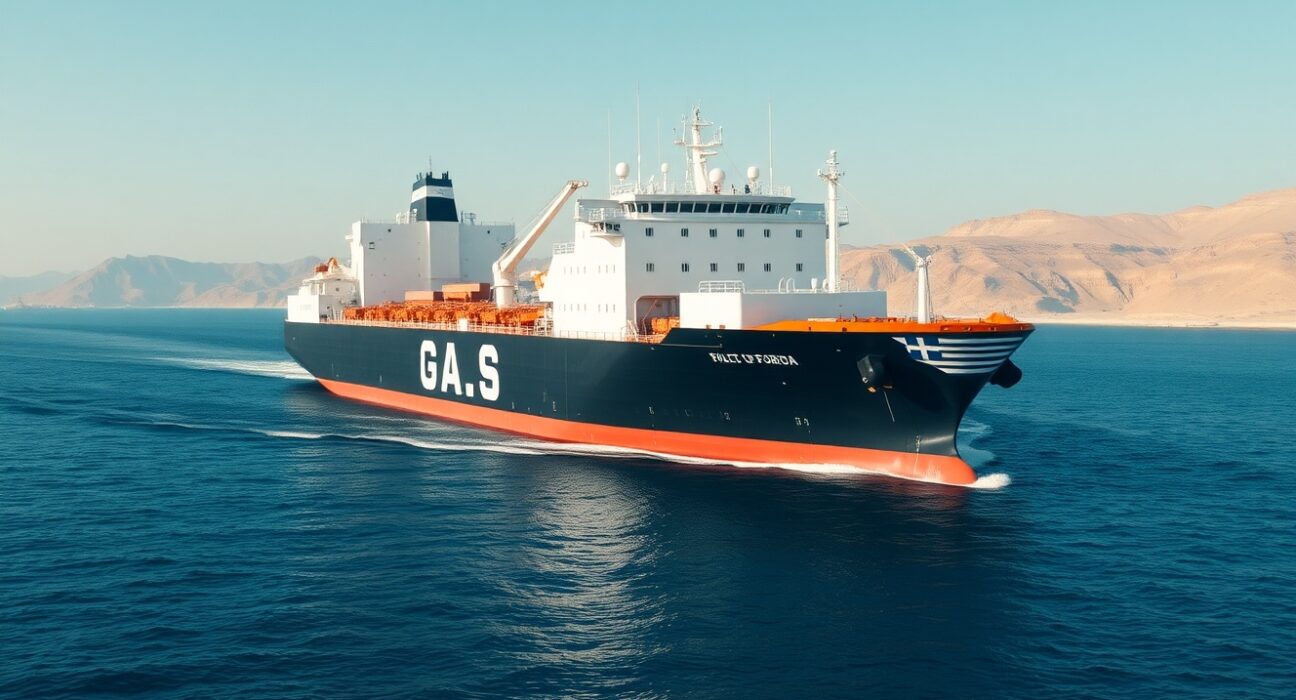
STRAIT OF HORMUZ – In a significant development for global energy security and maritime trade, the first commercial vessels have successfully transited the Strait of Hormuz following the implementation of a ceasefire agreement between the United States and Iran. According to real-time data from the ship-tracking service MarineTraffic, the Greek-flagged bulk carrier NJ Earth passed through this critical chokepoint at 8:44 a.m. UTC on Thursday, marking a tentative return to normalcy for one of the world’s most vital shipping lanes.
Strait of Hormuz Sees Initial Maritime Traffic Resumption
Maritime analysts closely monitored the NJ Earth’s passage. Furthermore, the Liberian-flagged vessel Daytona Beach had earlier departed the Iranian port of Bandar Abbas at 5:28 a.m. UTC. It subsequently navigated the strait by 6:59 a.m. UTC. Consequently, these movements represent the first confirmed transits since the ceasefire took effect. The Strait of Hormuz is arguably the most important oil transit corridor globally. Approximately 21 million barrels of oil per day, or one-fifth of global petroleum consumption, typically flow through this narrow passage. Therefore, any disruption carries immediate and severe consequences for energy markets worldwide.
Currently, MarineTraffic data indicates a substantial backlog of vessels in the surrounding Persian Gulf and Gulf of Oman. Specifically, the service shows 426 oil tankers, 34 liquefied petroleum gas (LPG) carriers, and 19 liquefied natural gas (LNG) carriers are positioned in the area. Many of these ships likely delayed their voyages during the recent period of heightened tensions. Now, shipping companies and commodity traders are cautiously evaluating the security situation before committing their fleets to full-speed operations.
Analyzing the Geopolitical Ceasefire and Its Maritime Impact
The ceasefire follows months of escalating naval incidents, including seizures of tankers and attacks on commercial shipping. These events had driven up insurance premiums, known as war risk insurance, for vessels operating near Iranian waters. Moreover, several major shipping firms had begun rerouting cargoes around the Cape of Good Hope. This alternative route adds roughly 10-14 days to journey times between the Middle East and Europe, significantly increasing fuel costs and delaying deliveries.
Expert Perspectives on Shipping Lane Security
Maritime security experts emphasize that the initial transits are a positive signal. However, they also warn that the situation remains fragile. “The passage of the first ships is a necessary first step for market confidence,” explains Dr. Lena Schmidt, a senior fellow at the Atlantic Council’s Global Energy Center. “But the real test will be the sustained, uneventful movement of Very Large Crude Carriers (VLCCs) over the coming weeks. The ceasefire terms regarding naval patrols and reconnaissance flights in the area will be critical to watch.”
Historically, tensions in the strait have led to volatile oil prices. For instance, during the 2019 tanker attacks, Brent crude prices spiked by over 4% in a single day. The current ceasefire has already prompted a slight softening in the global benchmark. Analysts project that if the calm holds, it could shave $5-$10 per barrel off oil prices within a month, providing relief to consumers and industries.
Economic and Energy Market Implications
The resumption of traffic directly impacts several key areas:
- Insurance Premiums: War risk premiums for the region, which had skyrocketed, are expected to gradually decline, reducing operational costs for shippers.
- Supply Chains: Manufacturers and energy importers in Asia and Europe can anticipate more reliable delivery schedules for crude and LNG.
- Regional Ports: Ports like Fujairah in the UAE and Sohar in Oman, which serve as major bunkering hubs, will likely see increased activity.
The following table outlines the typical daily flow of hydrocarbons through the Strait of Hormuz prior to the recent tensions:
| Commodity | Estimated Daily Volume | Primary Destination Regions |
|---|---|---|
| Crude Oil | ~17 million barrels | Asia (China, India, Japan, South Korea) |
| Liquefied Natural Gas (LNG) | ~3.5 billion cubic feet | Asia, Europe |
| Liquefied Petroleum Gas (LPG) | ~2 million barrels | Asia |
| Petroleum Products | ~2 million barrels | Global |
Navigational Challenges and Future Monitoring
The Strait of Hormuz presents inherent navigational challenges. At its narrowest point, the shipping lane is just 2 miles (3.2 km) wide, funneling all traffic into two designated channels. This geography makes monitoring vessel movements relatively straightforward for services like MarineTraffic, which uses Automatic Identification System (AIS) data. The high concentration of tankers currently in the area suggests a potential surge in transit requests over the next 48-72 hours as companies seek to clear the backlog.
Naval forces from several nations, including those operating under the International Maritime Security Construct (IMSC), continue to patrol the area. Their presence aims to ensure the ceasefire is respected by all parties. Additionally, the reopening influences global strategic calculations. For example, it may temporarily reduce pressure on alternative energy corridors, such as the newly expanded Trans-Anatolian Natural Gas Pipeline (TANAP), which bypasses the strait for European gas supplies.
Conclusion
The transit of the first commercial ships through the Strait of Hormuz marks a pivotal moment for international trade and energy markets following the U.S.-Iran ceasefire. While the movements of the NJ Earth and Daytona Beach are symbolic first steps, the true measure of success will be the sustained, secure, and unimpeded flow of all vessel traffic. The world will be watching the data from MarineTraffic and other tracking services closely. Ultimately, the stability of this 21-mile-wide chokepoint remains a critical barometer for both regional peace and global economic health.
FAQs
Q1: Why is the Strait of Hormuz so important for global oil supplies?
The Strait of Hormuz is a geographic chokepoint connecting Persian Gulf oil producers with the open ocean. Historically, about 21 million barrels of oil per day—roughly 20-30% of global seaborne traded oil—pass through it, making it the world’s most important oil transit corridor.
Q2: What was the immediate impact on shipping during the recent tensions?
During the peak of tensions, many shipping companies rerouted vessels around the Cape of Good Hope, adding significant time and cost. Insurance premiums (war risk coverage) increased dramatically, and some nations deployed naval assets to escort commercial traffic.
Q3: How does MarineTraffic track these ships?
MarineTraffic primarily uses the Automatic Identification System (AIS), a mandatory tracking transponder system on all large commercial vessels. This system broadcasts a ship’s identity, position, course, and speed, allowing for near-real-time global tracking.
Q4: What are the main types of vessels waiting in the area?
According to the latest data, the backlog includes hundreds of vessels, predominantly oil tankers (426), along with significant numbers of Liquefied Petroleum Gas (LPG) carriers (34) and Liquefied Natural Gas (LNG) carriers (19).
Q5: Could tensions re-escalate and close the strait again?
While the ceasefire is a positive development, the strategic importance of the strait means it remains a potential flashpoint. Most analysts believe a complete, long-term closure is unlikely due to the severe economic consequences for all regional actors, but temporary disruptions or targeted incidents remain a risk.
Disclaimer: The information provided is not trading advice, Bitcoinworld.co.in holds no liability for any investments made based on the information provided on this page. We strongly recommend independent research and/or consultation with a qualified professional before making any investment decisions.