

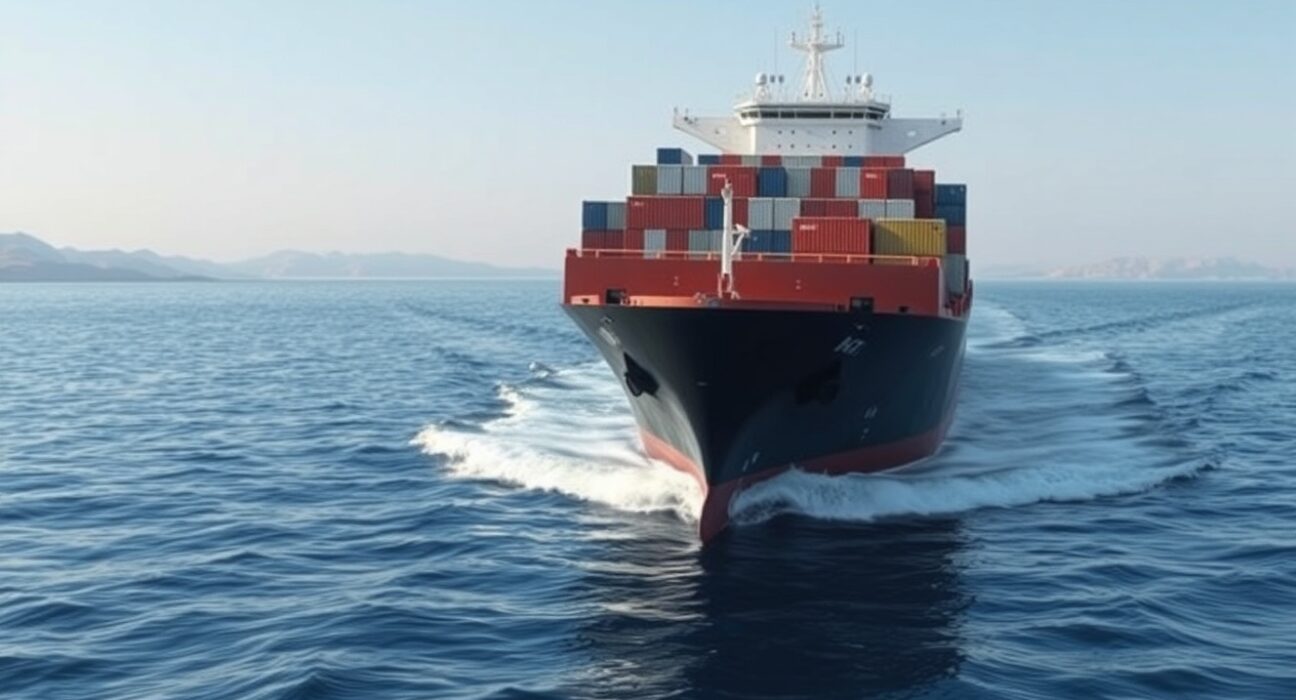
In a significant development for global maritime trade, Iranian Foreign Minister Hossein Amir-Abdollahian announced on Tuesday, March 18, 2025, that the strategic Strait of Hormuz has been formally reopened to all international merchant vessels. This decision immediately alleviates weeks of heightened tension surrounding one of the world’s most critical oil transit chokepoints, which handles roughly 21 million barrels of oil per day. Consequently, shipping companies and energy markets are now breathing a collective sigh of relief as a major supply route is restored.
Strait of Hormuz Reopens After Period of Uncertainty
The announcement from Tehran marks a pivotal shift in regional maritime policy. Foreign Minister Amir-Abdollahian stated the reopening followed “productive diplomatic consultations” aimed at ensuring the safety and freedom of navigation. This waterway, a narrow passage between the Persian Gulf and the Gulf of Oman, is arguably the most important oil transit lane globally. Moreover, its closure or restriction directly impacts global energy prices, insurance premiums, and shipping logistics. The recent restrictions had forced reroutes around the Arabian Peninsula, adding significant time and cost to voyages.
Analysts point to several immediate impacts of the Strait of Hormuz reopening. Firstly, the global benchmark Brent crude oil price showed a downward correction of nearly 3% following the news. Secondly, maritime insurers are expected to revise war risk premiums downward for vessels transiting the area. Finally, shipping giants like Maersk and MSC have reportedly begun reinstating the Strait into their standard routing schedules. This resumption promises to cut transit times for Gulf exports to Asia and Europe by several days.
Geopolitical Context and Maritime Security
The Strait’s status is perpetually intertwined with regional geopolitics. It is only 21 nautical miles wide at its narrowest point, with shipping lanes confined to two-mile-wide channels in each direction. Iran controls the northern coast, while Oman occupies the southern shore. This geography gives Iran considerable strategic leverage. Historically, tensions in the strait have led to incidents such as tanker seizures and attacks, which disrupt global markets. Therefore, the current reopening is seen as a de-escalatory move, potentially stemming from back-channel negotiations.
Expert Analysis on Regional Stability
Dr. Anya Roberts, a senior fellow at the Maritime Security Institute, provides critical context. “The reopening is a positive signal, but it’s a tactical pause, not a strategic shift,” Roberts explains. “The underlying issues of regional rivalry, nuclear negotiations, and security guarantees remain unresolved. The international community will watch closely for consistent, safe passage over the coming months.” Her analysis underscores that while the immediate logistical crisis is over, the fundamental volatility of the region persists. The U.S. Fifth Fleet, based in Bahrain, has also acknowledged the announcement and stated it will continue its patrols to ensure freedom of navigation.
The economic ramifications are profound. The following table illustrates the Strait’s critical role in global energy flows:
| Region | Estimated Daily Oil Transit (Barrels) | Percentage of Global Seaborne Trade |
|---|---|---|
| Total Flow through Strait | ~21 million | ~21% |
| Destination: Asia | ~16 million | ~76% of total |
| Destination: Europe & Americas | ~5 million | ~24% of total |
Key factors that led to the initial restrictions included:
- Heightened Regional Tensions: A series of diplomatic disputes over nuclear agreements and regional influence.
- Security Incidents: Previous reports of unmanned drone and boat approaches near commercial shipping.
- Economic Pressure: Sanctions enforcement and related maritime enforcement actions.
Global Shipping Industry Responds
The International Chamber of Shipping (ICS) welcomed the decision, calling it “essential for the stability of global supply chains.” Shipowners had faced severe operational challenges. For instance, the alternative route around the Cape of Good Hope adds approximately 9-14 days to a journey from the Gulf to Europe, increasing fuel costs by hundreds of thousands of dollars per voyage. Furthermore, the uncertainty had caused freight rates for Middle East routes to spike by over 15%. Now, with the Strait of Hormuz reopened, logistics planners can revert to more efficient and cost-effective routing.
The Path Forward for Safe Passage
Ensuring lasting security in the waterway requires multilateral cooperation. The International Maritime Organization (IMO) has repeatedly emphasized the need for dialogue to prevent miscalculation. Notably, the Joint Comprehensive Plan of Action (JCPOA) negotiations, though stalled, remain a backdrop to all regional security discussions. Moving forward, transparent communication between naval forces and merchant shipping will be paramount. The use of internationally recognized transit corridors and adherence to the Convention on the Law of the Sea (UNCLOS) provide the legal framework for peaceful passage.
Conclusion
The reopening of the Strait of Hormuz to merchant vessels is a crucial development for global energy security and maritime trade. It removes an immediate, tangible bottleneck from world supply chains and reduces near-term economic risk. However, the long-term stability of this passage depends on sustained diplomatic engagement and confidence-building measures among regional states. The world will monitor transit through the Strait of Hormuz closely, as its status remains a key barometer of Middle Eastern geopolitics and global economic health.
FAQs
Q1: Why is the Strait of Hormuz so important?
The Strait is the world’s most important oil transit chokepoint. Approximately 21 million barrels of oil, representing about 21% of global petroleum consumption, pass through it daily from producers like Saudi Arabia, Iraq, and the UAE to markets worldwide.
Q2: What was the impact when the Strait was restricted?
Restrictions forced tankers and container ships to take much longer alternative routes, such as around the southern tip of Africa. This increased shipping costs, delivery times, and insurance premiums, contributing to higher global energy and goods prices.
Q3: Who controls the Strait of Hormuz?
The Strait is an international waterway. Iran borders the northern coast, and Oman borders the southern coast. Both countries have territorial waters within the Strait, but the central transit lanes are in international waters, guaranteeing the right of “innocent passage” under international law.
Q4: How does this affect oil prices?
The reopening typically reduces the “risk premium” built into oil prices. When the Strait is perceived as secure, fears of supply disruption ease, which can lead to lower and more stable crude oil prices on global markets.
Q5: What guarantees safe passage now?
Safe passage relies on a combination of factors: Iran’s adherence to its announcement, continued naval patrols by international forces like the U.S. Fifth Fleet to deter harassment, and diplomatic efforts to maintain regional dialogue and de-escalation.
Disclaimer: The information provided is not trading advice, Bitcoinworld.co.in holds no liability for any investments made based on the information provided on this page. We strongly recommend independent research and/or consultation with a qualified professional before making any investment decisions.
