

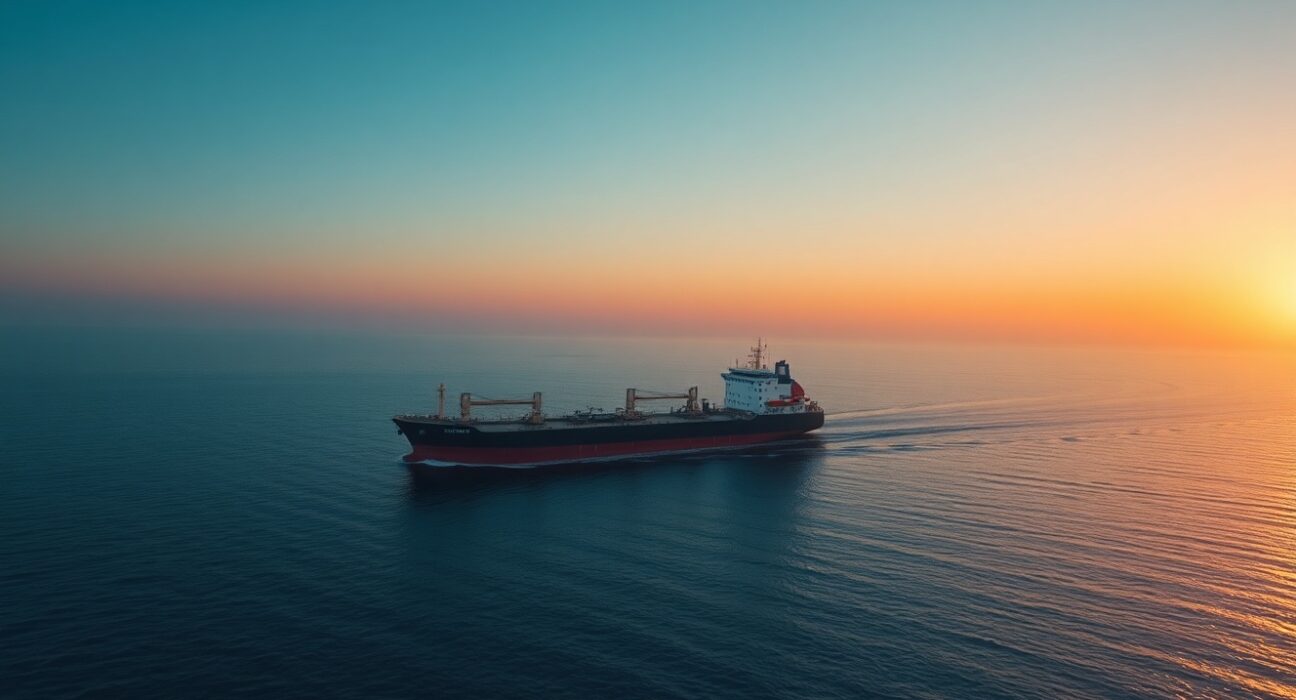
Oil tanker traffic through the Strait of Hormuz has effectively ground to a halt, signaling a sharp deterioration in the fragile 60-day ceasefire agreement between the United States and Iran, according to a CNN report published July 8. Energy analysts and data firms tracking vessel movements report that only a handful of tankers are now transiting the strategic waterway, reflecting a heightened perception of risk that far exceeds official statements from Washington or Tehran.
Traffic Drops to a Trickle
Jorge Leon, head of geopolitical analysis at energy research firm Rystad Energy, stated that tanker movements through the strait appear to have come to a complete stop. In a note released on July 8, Leon emphasized that this de facto halt is a more accurate barometer of the current risk environment than any political declaration. Energy data analytics firm Kpler corroborated the trend, reporting that only four tankers passed through the strait on July 8. Navin Das, a senior crude oil analyst at Kpler, noted that while the daily average since the June 17 ceasefire has been around 32 tankers—roughly three times the average during the peak conflict period from February to mid-June—it remains far below pre-war levels, which typically exceeded 50 vessels per day.
Ceasefire in Jeopardy
The 60-day ceasefire, agreed upon on June 17, was intended to de-escalate tensions in the region and restore some stability to global energy markets. However, recent developments suggest the agreement is unraveling. The sharp decline in tanker traffic indicates that shipping companies and insurers are unwilling to risk vessels in a zone where the threat of military confrontation remains high. The Strait of Hormuz is a critical chokepoint, through which approximately 20% of the world’s oil passes daily, making any disruption a matter of global economic concern.
Market and Geopolitical Implications
The near-standstill in tanker traffic has immediate implications for global oil supply chains and prices. Analysts warn that a prolonged disruption could lead to supply shortages and price spikes, particularly for Asian economies that rely heavily on Middle Eastern crude. The situation also underscores the fragility of diplomatic efforts in the region. The Biden administration has been engaged in indirect talks with Iran, but the lack of progress on key issues, including nuclear enrichment and sanctions relief, has undermined confidence in the ceasefire’s durability.
Conclusion
The virtual halt of oil tanker traffic through the Strait of Hormuz serves as a stark indicator that the US-Iran ceasefire is under severe strain. With only a handful of vessels transiting daily, the risk premium on Middle Eastern oil is rising, and the window for diplomatic resolution appears to be narrowing. For global markets and policymakers, the situation demands close monitoring as the potential for a full-scale disruption looms.
FAQs
Q1: Why has oil tanker traffic through the Strait of Hormuz nearly stopped?
The decline is attributed to the deteriorating US-Iran ceasefire agreement, which has increased the perceived risk of military confrontation. Shipping companies and insurers are avoiding the strait to protect vessels and crews.
Q2: How many tankers typically pass through the Strait of Hormuz daily?
Before the conflict escalated in February, the daily average was over 50 tankers. During the ceasefire period, the average was around 32, but on July 8, only four tankers transited the strait.
Q3: What are the global implications of this disruption?
The Strait of Hormuz handles about 20% of the world’s oil supply. A sustained halt could lead to supply shortages, higher oil prices, and economic strain on import-dependent nations, particularly in Asia.
Disclaimer: The information provided is not trading advice, Bitcoinworld.co.in holds no liability for any investments made based on the information provided on this page. We strongly recommend independent research and/or consultation with a qualified professional before making any investment decisions.
