

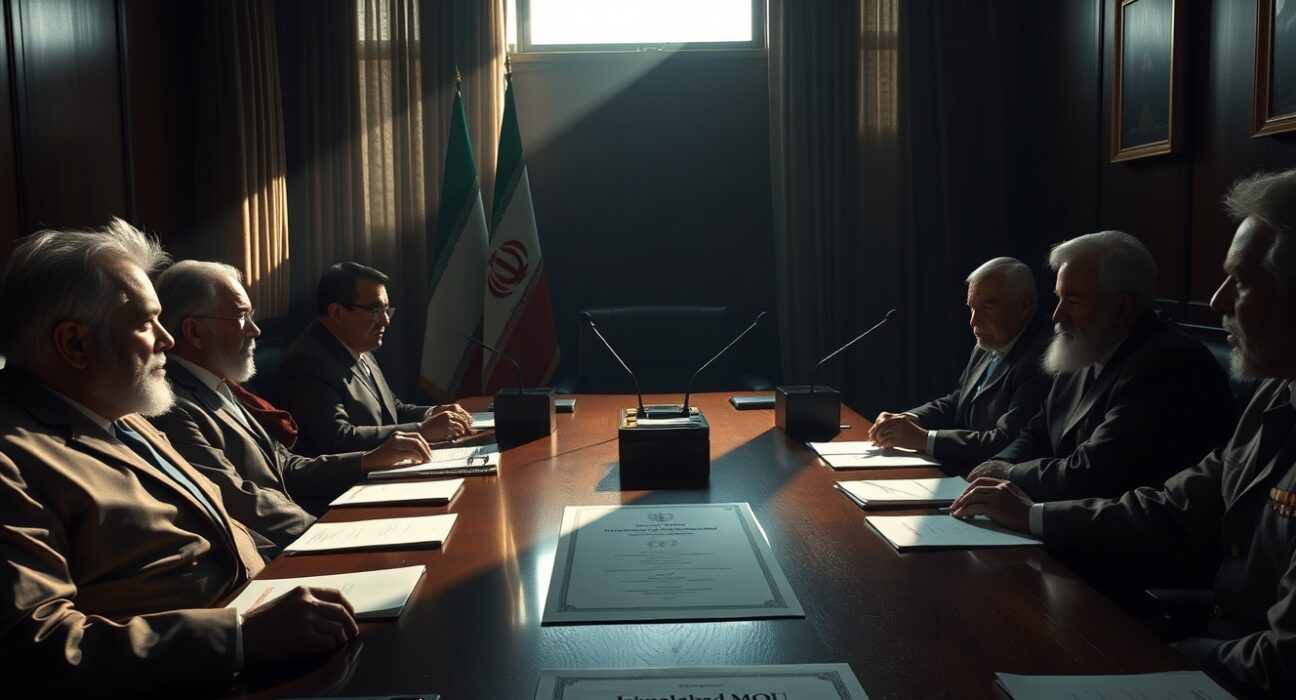
Iran’s semi-official Tasnim News Agency reported on July 8 that it is neither logical nor reasonable for Tehran to continue implementing the Islamabad Memorandum of Understanding (MOU) following U.S. President Donald Trump’s official declaration of its termination. The report, conveying the Iranian government’s position, stated that the country must respond to Trump with clear and decisive action.
Background of the Islamabad MOU
The Islamabad MOU, signed in early 2024, was intended to facilitate diplomatic channels between Iran and the United States on nuclear and regional security issues. According to the Iranian side, while its negotiating team worked in good faith to advance the agreement, it became evident from the outset that Washington would not honor any commitments, particularly when Iran asserted its own rights. The agency added that the MOU was effectively nullified from the beginning due to the U.S. failure to fulfill its obligations, and that its official end was merely formalized the previous night.
Iran’s Stance and Strategic Implications
The Tasnim report reflects a hardening of Iran’s position, signaling that diplomatic avenues may be closing. Analysts suggest that Tehran’s response could include accelerated uranium enrichment, reduced cooperation with the International Atomic Energy Agency (IAEA), or increased military support for regional proxies. The termination also raises the risk of heightened tensions in the Persian Gulf and broader Middle East.
Why This Matters
For readers, the collapse of the Islamabad MOU removes a key diplomatic buffer between two adversarial nations. The development could lead to stricter U.S. sanctions, potential military confrontations, and volatility in global oil markets. It also impacts ongoing negotiations over Iran’s nuclear program, which have been a central issue for international security and energy prices.
Conclusion
The formal end of the Islamabad MOU marks a significant setback for U.S.-Iran diplomacy. With both sides now signaling a more confrontational approach, the region faces increased uncertainty. Iran’s call for a firm response suggests that further escalation is likely, making this a critical story for geopolitical and market watchers.
FAQs
Q1: What was the Islamabad MOU?
The Islamabad Memorandum of Understanding was a diplomatic framework signed between Iran and the United States in early 2024, aimed at managing nuclear and regional security disputes.
Q2: Why did Iran declare the MOU over?
Iran’s Tasnim News Agency reported that the U.S. failed to honor its commitments, and President Trump’s official termination declaration made continued implementation illogical.
Q3: What could Iran’s firm response involve?
Potential actions include accelerating nuclear enrichment, reducing IAEA cooperation, or increasing support for regional allies, which could escalate tensions in the Middle East.
Disclaimer: The information provided is not trading advice, Bitcoinworld.co.in holds no liability for any investments made based on the information provided on this page. We strongly recommend independent research and/or consultation with a qualified professional before making any investment decisions.
