

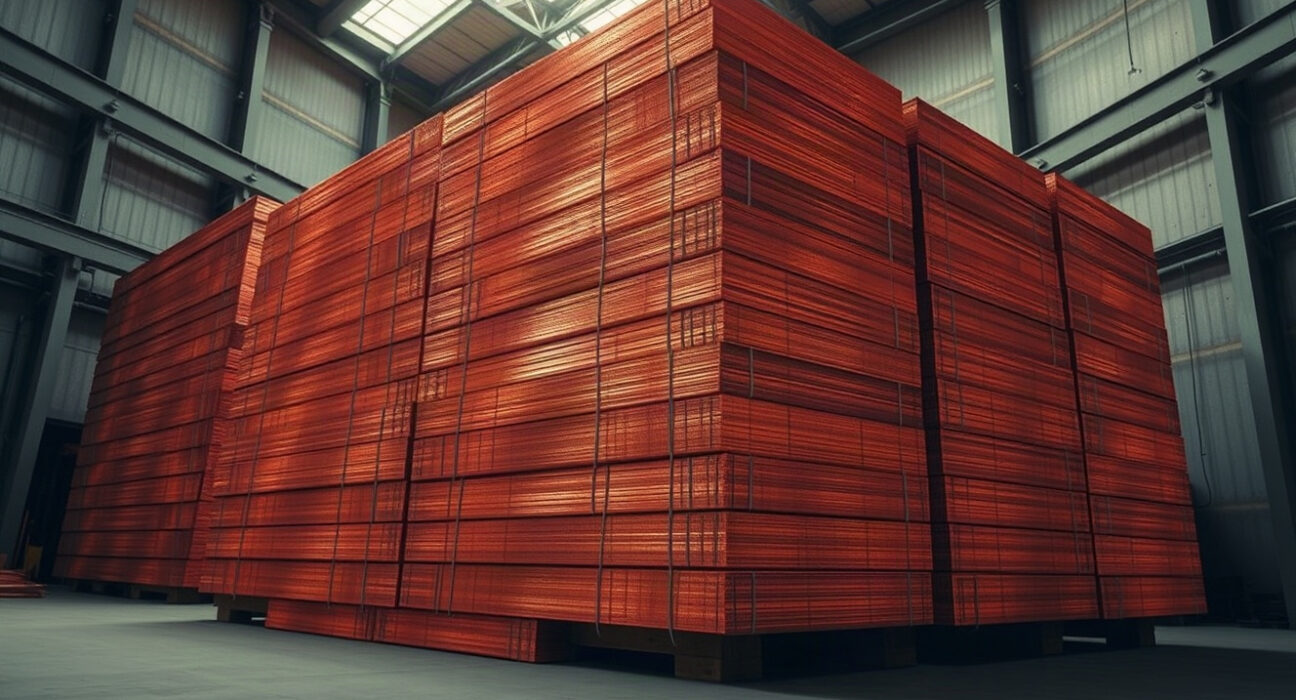
Analysts at ING have reported that the global copper market is experiencing a deepening supply squeeze, driven by increasingly tight raw material availability and robust demand, a situation that is putting upward pressure on prices and raising concerns for industrial buyers.
What is driving the copper supply squeeze?
The core issue lies in the market for copper concentrate, the raw ore from which refined copper is produced. ING’s analysis points to a significant shortage in this upstream segment, which is constraining the ability of smelters to produce refined metal. This bottleneck is occurring even as demand from sectors like renewable energy infrastructure, electric vehicles, and grid modernization remains strong. The imbalance between the finite supply of mined concentrate and the growing industrial appetite for the red metal is the primary catalyst for the current market tension.
How are market fundamentals reacting?
The tightening conditions are visible across several key market indicators. Most notably, inventory levels in exchange-monitored warehouses have been trending downward, reflecting that consumption is outpacing available supply. This drawdown in stocks provides a physical confirmation of the supply deficit, moving the narrative beyond mere speculation. Simultaneously, the treatment and refining charges (TC/RCs) paid by miners to smelters have fallen to multi-year lows. This is a direct financial signal of the concentrate shortage; smelters are accepting lower fees to secure the scarce raw material, sacrificing their own margins to maintain operational throughput.
What does this mean for copper prices and consumers?
For the broader market, the sustained squeeze implies that copper prices are likely to remain elevated and volatile in the near term. This is not just a trader’s concern. For manufacturers and construction firms, higher copper costs translate directly into more expensive inputs for wiring, motors, and plumbing. The situation forces downstream industries to manage tighter procurement budgets and consider supply chain resilience strategies. The fundamental takeaway is that the market is transitioning from a period of relative balance to one defined by structural scarcity, a shift with significant implications for global industrial costs.
Conclusion
The copper market is in the throes of a deepening supply squeeze, a situation underscored by ING’s latest assessment. With concentrate supplies tight and inventories depleting, the pressure on the market is tangible and persistent. For industries reliant on copper, this signals a period of elevated costs and heightened supply chain vigilance, as the balance between global demand and available metal remains critically strained.
FAQs
Q1: What exactly is a ‘copper concentrate’ shortage?
Copper concentrate is the raw, mined ore that contains copper. A shortage means mines are not producing enough of this raw material to meet the demand from smelters that refine it into pure copper metal. This bottleneck restricts the final supply of refined copper available to manufacturers.
Q2: How do low treatment and refining charges (TC/RCs) indicate a squeeze?
TC/RCs are fees smelters charge miners to process concentrate. When concentrate is scarce, smelters compete for it by lowering these fees. Therefore, falling TC/RCs are a clear market signal that the supply of raw material is tight and that smelters are operating at a competitive disadvantage.
Q3: Why should a consumer care about the copper market?
Copper is a fundamental component in essential goods, including electrical wiring, electronics, plumbing, and increasingly, electric vehicles and renewable energy systems. When copper prices rise due to a supply squeeze, these costs are often passed down the supply chain, potentially increasing the price of consumer goods and industrial projects.
Disclaimer: The information provided is not trading advice, Bitcoinworld.co.in holds no liability for any investments made based on the information provided on this page. We strongly recommend independent research and/or consultation with a qualified professional before making any investment decisions.
