

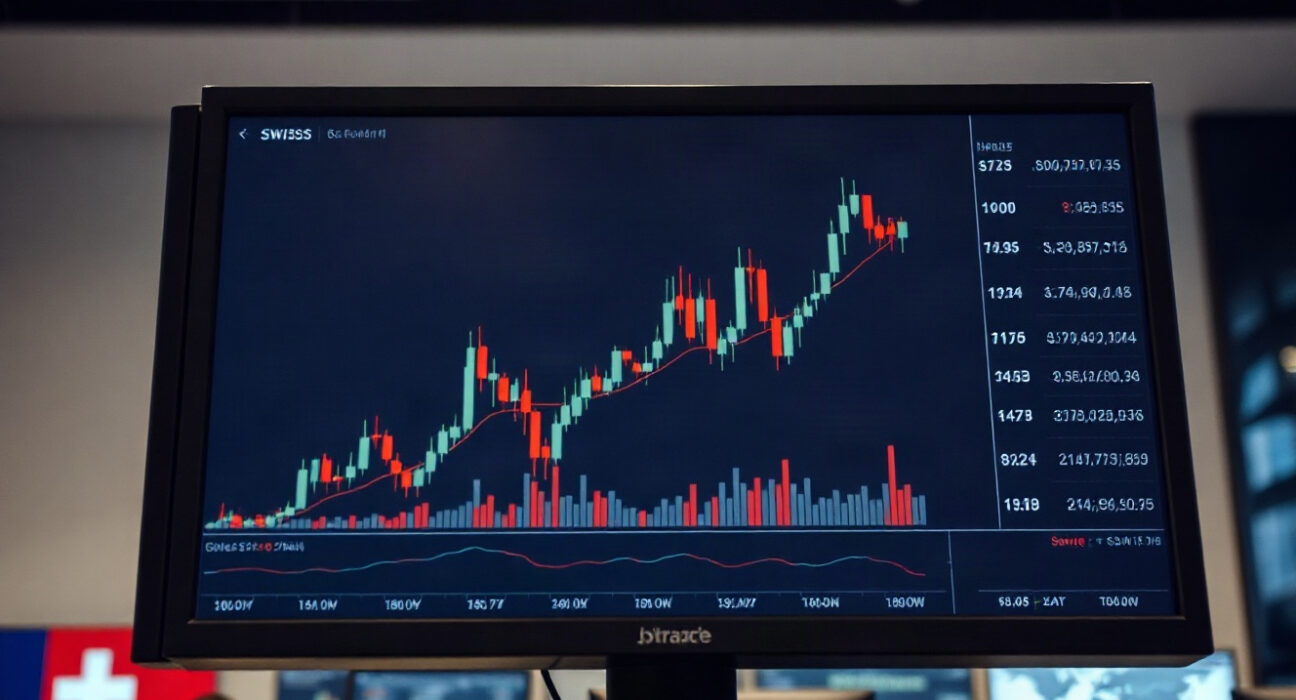
The Swiss Franc advanced against the US Dollar on [date], as the greenback slid following a surge in US Treasury buyback operations. The move reflects shifting investor sentiment toward safe-haven currencies amid renewed uncertainty over US fiscal policy and global growth.
Market Drivers Behind the Currency Move
The US Dollar weakened as the Treasury Department announced an expanded buyback program, which increased demand for longer-dated bonds and pressured yields. Lower yields reduce the dollar’s appeal to yield-seeking investors, while the Swiss Franc, traditionally a safe-haven asset, benefited from risk-off flows. The buyback surge also signaled potential concerns about liquidity in the Treasury market, prompting investors to reassess their dollar positions.
Impact on Traders and Global Markets
For currency traders, the dollar’s slide against the franc underscores the delicate balance between fiscal policy and market confidence. The Swiss National Bank has historically intervened to prevent excessive franc strength, but recent data suggests a more hands-off approach, allowing the currency to reflect market forces. This dynamic could influence export competitiveness in Switzerland, though the immediate focus remains on the dollar’s trajectory.
What This Means for Investors
Investors should monitor Treasury buyback announcements and Fed policy signals, as these are likely to drive near-term currency volatility. A sustained dollar decline could benefit other safe-havens like the yen, but the franc’s unique position as a funding currency adds complexity. Understanding these linkages is crucial for portfolio diversification and hedging strategies.
Conclusion
The Swiss Franc’s rise against the dollar reflects a confluence of fiscal and market factors, with Treasury buybacks playing a pivotal role. As the situation evolves, staying informed on policy decisions and global risk sentiment will be key for market participants.
FAQs
Q1: Why did the Swiss Franc strengthen against the US Dollar?
The franc strengthened due to a combination of safe-haven demand and a weaker dollar, triggered by the Treasury buyback surge that lowered US yields and reduced the dollar’s yield advantage.
Q2: What is a Treasury buyback and how does it affect currency markets?
A Treasury buyback is when the US government repurchases its own bonds, which can increase bond prices and lower yields. Lower yields make the dollar less attractive to foreign investors, often leading to depreciation against other currencies like the Swiss Franc.
Q3: Should investors expect further franc appreciation?
While the franc may continue to benefit from risk-off sentiment, the Swiss National Bank could intervene to limit excessive gains. The future path depends on US fiscal policy, Federal Reserve decisions, and global economic conditions.
Disclaimer: The information provided is not trading advice, Bitcoinworld.co.in holds no liability for any investments made based on the information provided on this page. We strongly recommend independent research and/or consultation with a qualified professional before making any investment decisions.
