

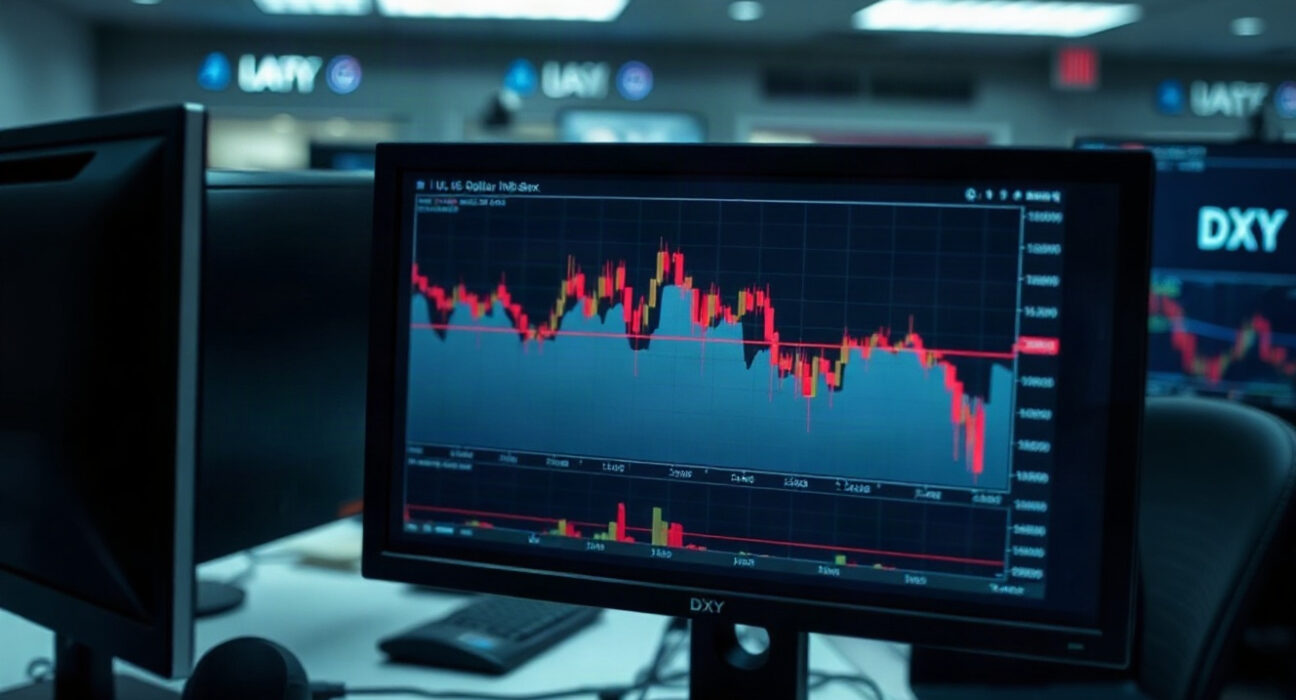
The US Dollar Index (DXY) has softened below the 99.00 mark, reflecting growing investor unease over the nation’s fiscal trajectory and its potential implications for economic stability. As of the latest trading session, the index—which measures the dollar’s strength against a basket of major currencies—has slipped to approximately 98.80, marking a notable decline from recent highs.
What’s Driving the Dollar’s Decline?
The primary catalyst behind the dollar’s retreat is escalating concern over the US fiscal outlook. Investors are increasingly focused on the government’s spending levels, debt accumulation, and the potential for prolonged budget deficits. These worries have been amplified by recent political debates over the debt ceiling and the absence of a clear, long-term fiscal consolidation plan.
Additionally, market participants are recalibrating their expectations for Federal Reserve policy. While inflation has moderated, the central bank’s stance remains data-dependent, and any signs of economic weakening could prompt a more dovish approach. This uncertainty is prompting investors to reassess the dollar’s yield advantage, contributing to its downward pressure.
Implications for Global Markets
The dollar’s softness has ripple effects across global markets. A weaker dollar generally benefits emerging market currencies and commodities priced in dollars, as they become more affordable for international buyers. It also affects multinational corporations’ earnings, as a softer dollar boosts the value of overseas revenues when converted back to US currency.
However, the decline also signals broader risk aversion. Investors are not simply rotating out of the dollar; they are also seeking safe-haven assets like gold, which has seen renewed interest. The dollar’s slide could also complicate the Fed’s fight against inflation, as a weaker currency tends to increase import prices, potentially feeding into domestic price pressures.
What Should Investors Watch?
For market participants, the key focus will be on upcoming economic data and Federal Reserve communications. Indicators such as employment figures, consumer price index (CPI) readings, and GDP growth will be scrutinized for clues about the economy’s health and the likely path of monetary policy. Additionally, any developments in Washington regarding fiscal policy could provide direction for the dollar.
Technical analysts note that the 99.00 level had acted as a psychological support, and its breach could open the door for further downside. The next support level is seen around 98.50, followed by 98.00. Conversely, a rebound above 99.50 would signal renewed dollar strength.
Conclusion
The US Dollar Index’s slide below 99.00 underscores the market’s growing anxiety over fiscal policy and its economic ramifications. While a softer dollar has some benefits, it also introduces new uncertainties for investors and policymakers alike. As the situation evolves, staying informed on fiscal and monetary developments will be crucial for navigating the currency markets.
FAQs
Q1: What is the US Dollar Index (DXY)?
The US Dollar Index measures the value of the US dollar relative to a basket of foreign currencies, including the euro, yen, pound, Canadian dollar, Swedish krona, and Swiss franc. It is a widely used benchmark for the dollar’s global strength.
Q2: Why do fiscal concerns affect the dollar?
Fiscal concerns, such as high government debt or budget deficits, can undermine investor confidence in a country’s economic management. This may lead to reduced demand for its currency, as investors worry about potential inflation, higher borrowing costs, or a downgrade in sovereign credit ratings.
Q3: How does a weaker dollar impact everyday consumers?
A weaker dollar makes imported goods more expensive, potentially leading to higher prices for consumers. It can also affect travel costs abroad and the returns on international investments. However, it may benefit domestic manufacturers and exporters by making their products more competitive overseas.
Disclaimer: The information provided is not trading advice, Bitcoinworld.co.in holds no liability for any investments made based on the information provided on this page. We strongly recommend independent research and/or consultation with a qualified professional before making any investment decisions.
