

2026-07-10
France’s consumer price index, measured on the EU-harmonized standard, rose 2.0% year-over-year in June, matching economists’ forecasts and holding steady from the previous.

France’s consumer price index, measured on the EU-harmonized standard, rose 2.0% year-over-year in June, matching economists’ forecasts and holding steady from the previous.

The euro faces renewed headwinds as the European Central Bank (ECB) maintains a cautious policy stance amid a persistently fragile economic outlook for.

The euro maintained its recent strength against the Canadian dollar on Wednesday, supported by the latest Eurozone unemployment figures that came in slightly.
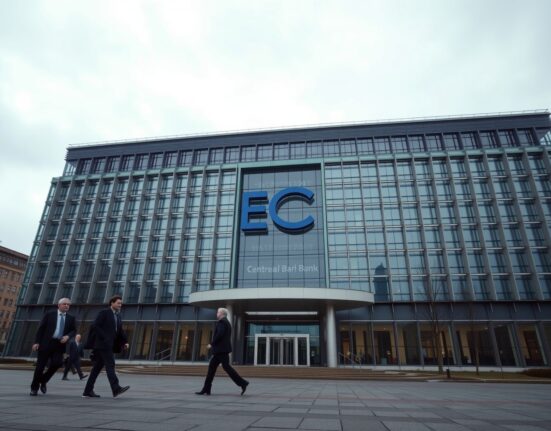
European Central Bank board member Piero Cipollone has advised his colleagues to postpone any further interest rate increases until the institution’s updated economic.

Germany’s retail sector delivered a stronger-than-expected performance in May, with sales climbing 1.8% month-on-month, according to data released by the Federal Statistical Office.

The Eurozone’s Economic Sentiment Indicator (ESI) rose to 95.0 in June, surpassing market expectations of 94.3 and marking a modest improvement from the.
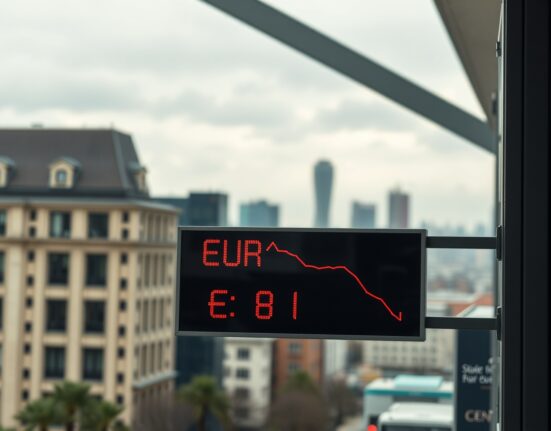
The euro weakened against the Japanese yen during Tuesday’s trading session after data revealed that Germany’s Manufacturing Purchasing Managers’ Index (PMI) remained flat.
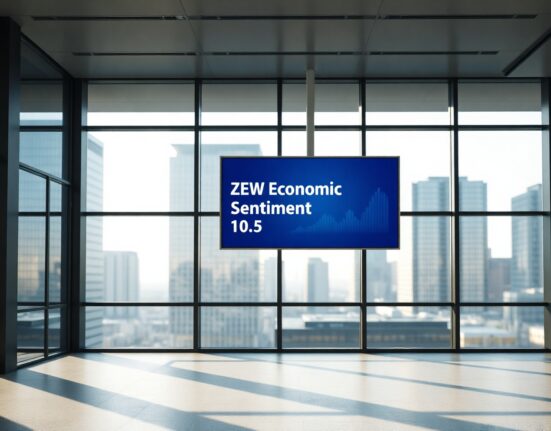
Germany’s ZEW Indicator of Economic Sentiment rose to 10.5 points in June 2025, marking a return to positive territory for the first time.

The euro maintained its recent gains against major currencies on Wednesday, as a broad improvement in global risk appetite helped the single currency.

Germany’s final Harmonized Index of Consumer Prices (HICP) for May was confirmed at 2.7% year-on-year, matching both the preliminary estimate and market expectations..