

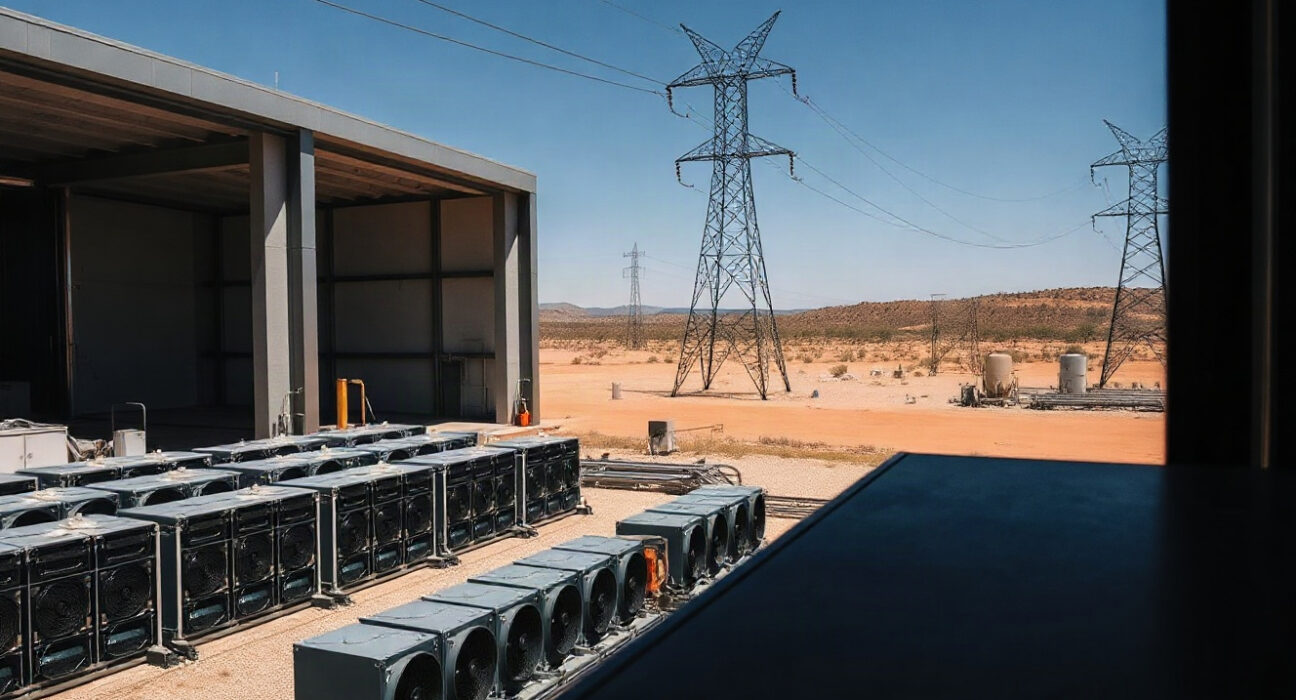
Tether, the company behind the world’s largest stablecoin, has halted a roughly $120 million Bitcoin mining project in Uruguay, according to a report from The Block. The initiative, once viewed as a strategic entry point into South America’s cryptocurrency mining sector, collapsed amid a contractual disagreement with Uruguay’s state-owned power company, UTE.
Root of the Disagreement
At the center of the dispute was the interpretation of electricity supply terms in the contract. Tether understood the agreed power volume as a minimum threshold that could be increased later to support expanded operations. UTE, however, treated the same figure as a hard ceiling that could not be exceeded. This fundamental difference in reading the contract prevented the two parties from moving forward.
Efforts to revise the contract terms were made, but those attempts ultimately failed. According to the report, Tether representatives did not attend the signing meeting for the amended contract, effectively ending the project. The halt marks a notable setback for Tether’s broader ambitions in Latin America, where it had signaled interest in building out energy-intensive Bitcoin mining infrastructure.
Implications for Tether’s Mining Strategy
The Uruguay project was part of Tether’s diversification strategy, which includes investing in sustainable energy projects and expanding its footprint beyond stablecoin issuance. The company has publicly explored mining operations in other regions, including Latin America and the Middle East, often partnering with local energy providers to secure low-cost power.
This development raises questions about the viability of such partnerships, especially in jurisdictions where state-owned utilities have strict regulatory frameworks. Tether’s failure to reach a compromise with UTE could signal challenges in negotiating with government entities, which may slow its regional expansion plans.
Market and Industry Impact
Bitcoin mining is highly sensitive to energy costs and regulatory stability. The collapse of this project may prompt other mining firms to reassess opportunities in Uruguay, despite its renewable energy potential. For Tether, the halt is a reminder that even well-funded projects can stumble on contractual and regulatory hurdles.
The news also comes at a time when the cryptocurrency industry faces increased scrutiny over energy consumption and environmental impact. Tether has previously emphasized its commitment to using renewable energy sources for mining, but this dispute highlights the operational complexities that can arise.
Conclusion
Tether’s decision to abandon the Uruguay mining project underscores the importance of clear contractual terms and aligned expectations in cross-border energy partnerships. While the company remains a major player in the crypto ecosystem, this setback illustrates the challenges of executing large-scale infrastructure projects in foreign markets. For now, the $120 million initiative is shelved, and the future of Tether’s South American mining ambitions remains uncertain.
FAQs
Q1: Why did Tether halt the Bitcoin mining project in Uruguay?
The project was halted due to a contract dispute with Uruguay’s state power company, UTE, over the interpretation of electricity supply volumes. Tether saw the agreed amount as a minimum that could be increased, while UTE treated it as a maximum.
Q2: What was the value of the halted project?
The project was valued at approximately $120 million and was intended to establish two Bitcoin mining facilities in Uruguay.
Q3: What does this mean for Tether’s expansion plans in South America?
The halt represents a significant setback for Tether’s ambitions in the region, though the company may still pursue opportunities elsewhere. It also highlights the complexities of partnering with state-owned utilities in foreign markets.
Disclaimer: The information provided is not trading advice, Bitcoinworld.co.in holds no liability for any investments made based on the information provided on this page. We strongly recommend independent research and/or consultation with a qualified professional before making any investment decisions.
