

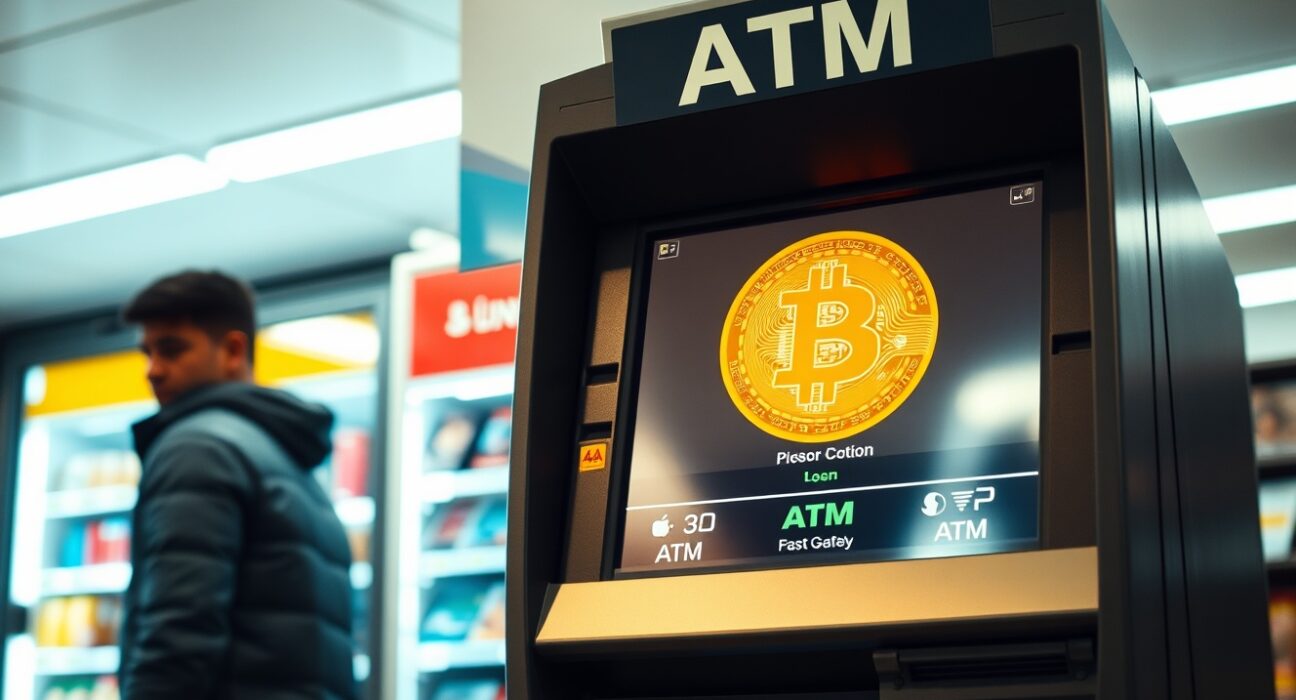
Texas lawmakers are preparing to introduce legislation that would effectively ban Bitcoin ATMs across the state, following a sharp rise in fraud losses tied to these machines. According to the FBI, Texas residents lost $56.8 million to scams involving Bitcoin ATMs in 2025, the highest total of any U.S. state. Nationwide, losses surged 58% from the previous year, reaching $389 million.
Why Bitcoin ATMs Have Become a Target for Scammers
Bitcoin ATMs, which allow users to deposit cash and receive cryptocurrency, are often located in convenience stores, gas stations, and other public venues. Scammers exploit these machines by instructing victims to withdraw cash and deposit it into the ATM, which then converts the funds into Bitcoin and sends them to a wallet controlled by the fraudster. The transactions are nearly impossible to reverse, and the anonymity of cryptocurrency makes tracing the funds difficult.
The FBI has warned that these ATMs are increasingly being used as money-laundering channels, with funds frequently routed through crypto mixers or personal wallets. Unlike traditional bank transfers, which can be flagged and halted, Bitcoin ATM transactions occur instantly and are irreversible, making them an attractive tool for criminals.
State-Level Response: Bans and Restrictions
Texas is not the first state to act. Indiana, Tennessee, and Minnesota have already imposed full operating bans on Bitcoin ATMs, and other states are considering similar measures. Texas, which has approximately 4,000 Bitcoin ATMs, is now planning to push an expulsion bill that goes beyond simple regulation. The proposed legislation would prohibit the operation of these machines entirely, a move that supporters argue is necessary to protect consumers, particularly the elderly and less tech-savvy residents who are disproportionately targeted.
The bill’s exact provisions are still being drafted, but it is expected to include penalties for operators who continue to run machines after the ban takes effect. Some industry groups have pushed back, arguing that legitimate users rely on these ATMs for access to cryptocurrency, but lawmakers remain focused on the public safety concerns.
Impact on Consumers and the Crypto Industry
For consumers, the ban could eliminate a convenient way to buy Bitcoin with cash, but it also removes a significant fraud vector. Financial advisors recommend that anyone using a Bitcoin ATM should verify the machine’s legitimacy, avoid sending funds to unknown wallets, and be skeptical of any request that involves using a Bitcoin ATM to pay for goods, services, or government fees.
The broader cryptocurrency industry is watching these developments closely. While many legitimate businesses operate Bitcoin ATMs, the concentration of fraud has led to increased regulatory scrutiny. A Texas ban could set a precedent for other states, potentially reshaping the landscape for crypto kiosks nationwide.
Conclusion
Texas’s move to ban Bitcoin ATMs reflects a growing concern over cryptocurrency-related fraud. With losses hitting record highs, state regulators are prioritizing consumer protection over industry expansion. As the bill progresses, residents and businesses alike will need to adapt to a changing regulatory environment that is increasingly wary of unregulated crypto access points.
FAQs
Q1: What is a Bitcoin ATM?
A Bitcoin ATM is a kiosk that allows users to buy Bitcoin using cash or debit cards. It connects to a cryptocurrency exchange and sends the purchased Bitcoin to a user’s digital wallet.
Q2: How do scammers use Bitcoin ATMs?
Scammers often pose as government officials, tech support, or utility companies and instruct victims to withdraw cash and deposit it into a Bitcoin ATM. The funds are then converted to Bitcoin and sent to the scammer’s wallet, making the money unrecoverable.
Q3: What should I do if I suspect a Bitcoin ATM scam?
If you believe you are being targeted, stop the transaction immediately. Contact your local police department and file a complaint with the FBI’s Internet Crime Complaint Center (IC3). You can also report the incident to the Federal Trade Commission.
Disclaimer: The information provided is not trading advice, Bitcoinworld.co.in holds no liability for any investments made based on the information provided on this page. We strongly recommend independent research and/or consultation with a qualified professional before making any investment decisions.
