

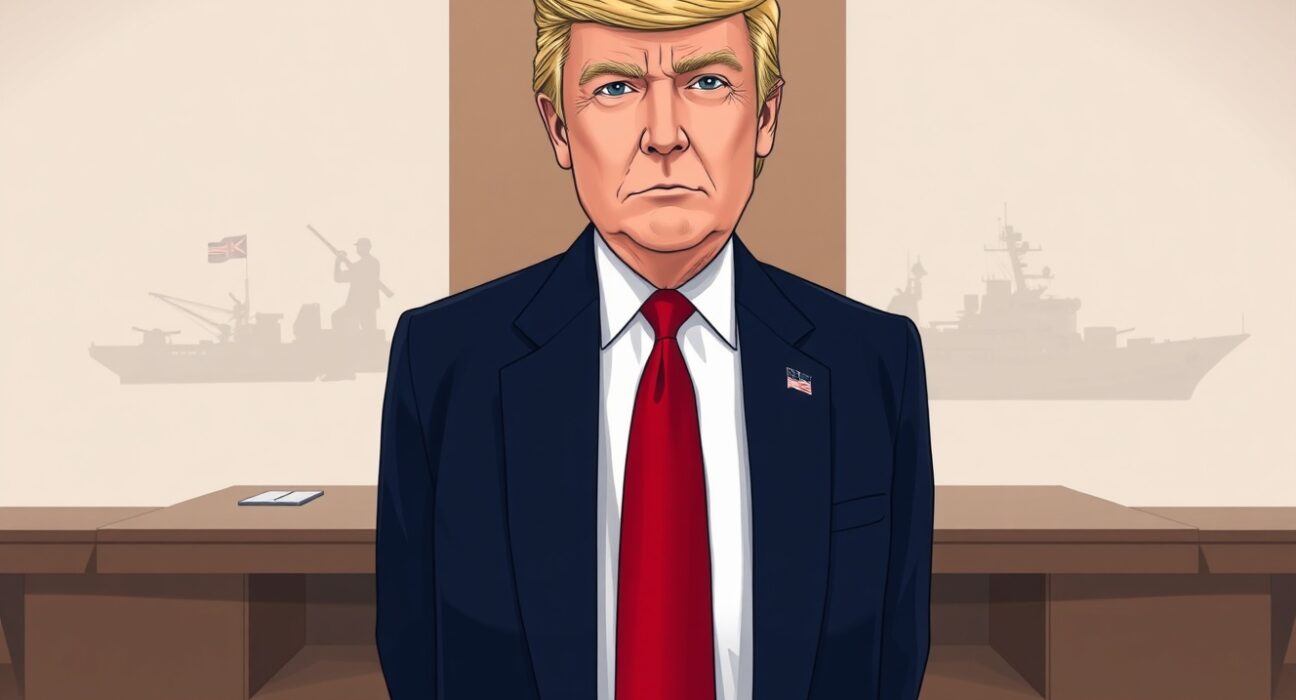
WASHINGTON, D.C. — Former President Donald Trump has signaled potential openness to renewed nuclear negotiations with Iran while simultaneously advocating for continued military pressure, creating a complex diplomatic landscape that analysts say could reshape Middle East security dynamics in 2025. This dual-track approach emerges amid ongoing regional tensions and international concerns about Iran’s nuclear program advancement.
Trump’s Iran Deal Position: Diplomatic Openness with Conditions
During recent public remarks, Trump indicated that a comprehensive agreement with Tehran remains possible under specific circumstances. However, he emphasized that any diplomatic progress must coincide with sustained military deterrence. This position represents a nuanced evolution from his administration’s 2018 withdrawal from the Joint Comprehensive Plan of Action (JCPOA).
National security experts note this approach balances negotiation leverage with security assurances. “The signaling suggests a calibrated strategy,” explains Dr. Sarah Chen, Middle East analyst at the Center for Strategic Studies. “Diplomatic channels remain open while maintaining pressure points that could influence Iranian decision-making.”
Military Pressure as Diplomatic Leverage
The military component of Trump’s proposed strategy involves several key elements. First, continued naval presence in the Persian Gulf ensures freedom of navigation. Second, intelligence sharing with regional partners strengthens collective security. Third, targeted sanctions enforcement maintains economic pressure.
Recent Department of Defense data reveals significant regional military assets:
| Asset Type | Approximate Numbers | Primary Function |
|---|---|---|
| Naval Vessels | 15-20 | Maritime Security |
| Aircraft | 50+ | Surveillance & Deterrence |
| Personnel | 35,000 | Regional Support |
These resources, according to military analysts, serve dual purposes. They deter aggressive actions while providing negotiation leverage. Furthermore, they reassure regional allies concerned about security guarantees.
Historical Context: From JCPOA Withdrawal to Current Posture
The Trump administration’s 2018 JCPOA withdrawal established maximum pressure policies. These included extensive sanctions and diplomatic isolation. Consequently, Iran accelerated its nuclear program development. International Atomic Energy Agency reports now indicate significantly reduced breakout timelines.
Current diplomatic efforts therefore operate within this transformed landscape. Negotiators face more advanced Iranian capabilities. They also confront deeper mistrust between parties. Additionally, regional proxy conflicts complicate broader normalization efforts.
Regional Reactions and International Implications
Middle Eastern governments have responded cautiously to Trump’s statements. Israeli officials express skepticism about renewed negotiations. They emphasize verification mechanisms and longer duration requirements. Gulf Cooperation Council members show divided responses. Some prefer continued pressure while others seek de-escalation.
European powers maintain support for JCPOA restoration. However, they acknowledge changed circumstances since 2018. The E3 (France, Germany, United Kingdom) recently issued a joint statement. They called for “urgent diplomatic engagement with realistic expectations.”
Key regional concerns include:
- Nuclear Breakout Timelines: Current estimates range from weeks to months
- Regional Stability: Proxy conflicts in Yemen, Syria, and Lebanon
- Economic Factors: Global energy market impacts
- Verification Challenges: Monitoring and compliance mechanisms
Expert Analysis: Balancing Diplomacy and Deterrence
“The fundamental challenge,” observes General Mark Thompson (Ret.), former CENTCOM commander, “involves creating incentives for Iranian cooperation while maintaining credible deterrence against proliferation. This requires synchronized diplomatic and military planning that previous administrations struggled to achieve.”
Academic research supports this assessment. A 2024 Rand Corporation study analyzed 50 years of U.S.-Iran interactions. It found successful engagement periods correlated with clear communication channels and graduated reciprocity. The study also identified military posturing as sometimes counterproductive to diplomatic goals.
Potential Pathways Forward
Several scenarios could emerge from current diplomatic signals. First, indirect talks through intermediaries might establish working groups. Second, confidence-building measures could address immediate concerns. Third, comprehensive negotiations might develop new framework agreements.
Each pathway presents distinct challenges and opportunities. Working groups allow technical discussions without political commitment. Confidence-building measures create momentum for broader talks. Comprehensive negotiations offer permanent solutions but require significant political capital.
Timeline considerations also influence strategy. The U.S. electoral calendar creates urgency for some actors. Iranian domestic politics similarly affect negotiation flexibility. Regional events could either facilitate or disrupt diplomatic progress.
Conclusion
The Trump Iran deal signals represent a potentially significant diplomatic development amid continued military pressure. This dual-track approach acknowledges negotiation possibilities while maintaining security safeguards. However, successful implementation requires careful calibration between incentives and deterrence. Regional stability and global nonproliferation efforts depend on balanced, sustainable solutions to the Iranian nuclear challenge. The coming months will test whether diplomatic signals translate into substantive progress or remain rhetorical positioning in a complex geopolitical landscape.
FAQs
Q1: What is Trump’s current position on the Iran nuclear deal?
Trump has indicated openness to potential negotiations while advocating continued military pressure, representing a dual-track approach different from both the original JCPOA support and his administration’s subsequent withdrawal.
Q2: How does military pressure support diplomatic efforts with Iran?
Proponents argue military presence provides negotiation leverage, reassures regional allies, and creates deterrents against Iranian aggression that could otherwise undermine diplomatic progress.
Q3: What are the main obstacles to a new Iran nuclear agreement?
Key challenges include advanced Iranian nuclear capabilities, verification mechanisms, duration requirements, sanctions relief sequencing, and regional proxy conflict resolution.
Q4: How have regional allies responded to Trump’s statements?
Responses vary significantly, with Israel expressing skepticism about renewed negotiations while some Gulf states show cautious interest in de-escalation combined with security guarantees.
Q5: What timeline exists for potential diplomatic progress?
Multiple factors create urgency, including U.S. and Iranian political calendars, advancing Iranian nuclear capabilities, and ongoing regional tensions that could escalate without diplomatic engagement.
Disclaimer: The information provided is not trading advice, Bitcoinworld.co.in holds no liability for any investments made based on the information provided on this page. We strongly recommend independent research and/or consultation with a qualified professional before making any investment decisions.
