

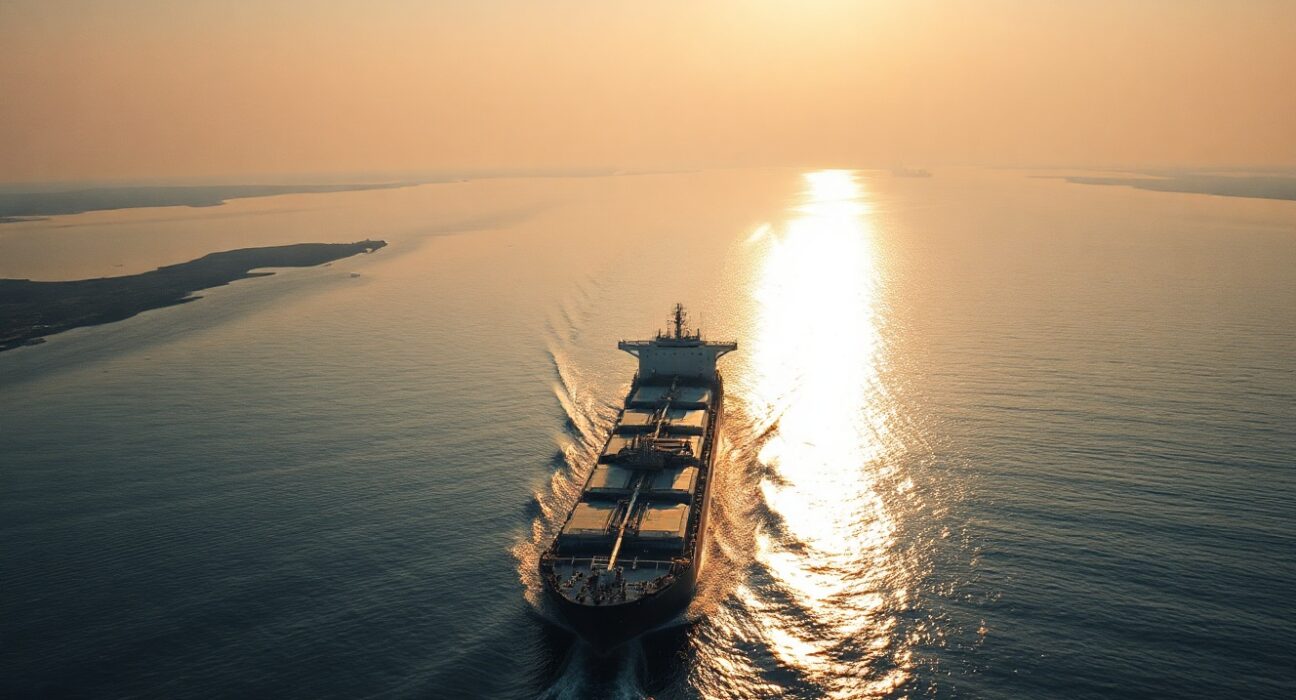
Former President Donald Trump has indicated that negotiations with Iran are advancing toward a new agreement, raising the possibility of a full reopening of the Strait of Hormuz to international shipping. The development, if realized, could significantly alter global energy markets and reduce geopolitical tensions in the Middle East.
Background of the negotiations
According to sources familiar with the discussions, the proposed framework would address Iran’s nuclear enrichment program in exchange for sanctions relief and the resumption of normal maritime traffic through the strategic waterway. The Strait of Hormuz, a narrow passage between the Persian Gulf and the Gulf of Oman, is a critical chokepoint for approximately 20% of the world’s oil supply. Any disruption to its operation has historically triggered volatility in crude prices and heightened security risks for tanker operators.
Implications for oil markets
A full reopening of the strait would likely ease supply concerns that have kept oil prices elevated in recent months. Analysts suggest that a diplomatic resolution could unlock Iranian oil exports currently constrained by sanctions, adding as much as 1.5 million barrels per day to global markets. This influx could help stabilize prices and reduce inflationary pressures on consumers worldwide.
Geopolitical and economic impact
Beyond oil, the reopening would restore confidence in maritime insurance and shipping routes, benefiting global trade. Regional stakeholders, including Gulf Cooperation Council members and Iraq, have privately welcomed the prospect of reduced tensions. However, critics caution that any agreement must include robust verification mechanisms to prevent Iran from advancing its nuclear capabilities.
Conclusion
While Trump’s comments signal a potential breakthrough, the details remain fluid and subject to ongoing diplomatic exchanges. The outcome will be closely watched by energy traders, policymakers, and shipping companies as they assess the stability of one of the world’s most vital maritime corridors.
FAQs
Q1: What is the Strait of Hormuz and why is it important?
The Strait of Hormuz is a narrow waterway connecting the Persian Gulf to the Gulf of Oman. It is a critical passage for about one-fifth of the world’s oil shipments, making it a key chokepoint for global energy supply.
Q2: How would a new Iran deal affect oil prices?
If a deal allows Iran to resume full oil exports, it could increase global supply by over a million barrels per day, potentially lowering prices and reducing market volatility.
Q3: What are the main challenges to reaching an agreement?
Key challenges include verification of Iran’s nuclear activities, the scope of sanctions relief, and ensuring the long-term stability of the region. Both sides must agree on transparent monitoring mechanisms.
Disclaimer: The information provided is not trading advice, Bitcoinworld.co.in holds no liability for any investments made based on the information provided on this page. We strongly recommend independent research and/or consultation with a qualified professional before making any investment decisions.
