

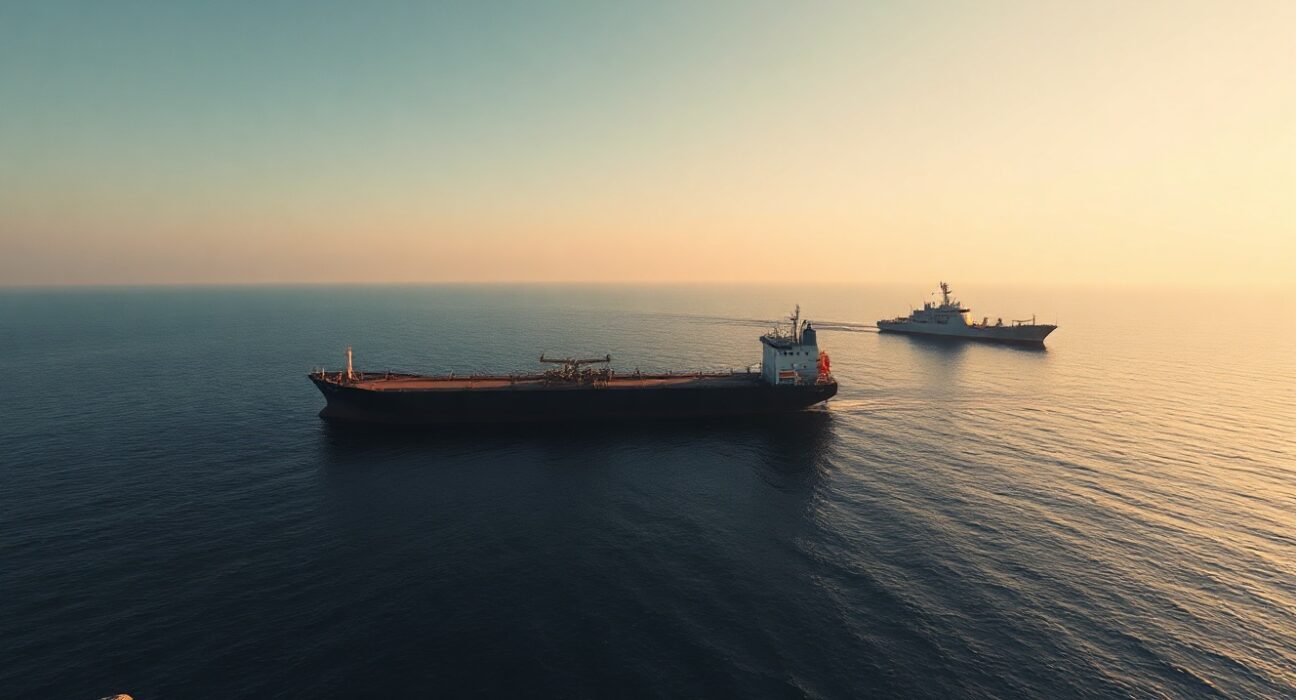
U.S. President Donald Trump stated on June 1 that he expects to finalize an agreement with Iran within the next week, aimed at extending a ceasefire and reopening the strategic Strait of Hormuz. According to ABC News, Trump described the negotiations as proceeding smoothly and showing promise.
Background of the Negotiations
The announcement comes amid heightened tensions in the region. Trump acknowledged a ‘small incident’ that occurred earlier in the day, which he attributed to Iranian dissatisfaction with an Israeli airstrike on Lebanon. He stated that he contacted Hezbollah in Lebanon to demand a halt to firing, and subsequently made the same request to Israeli Prime Minister Benjamin Netanyahu. Both sides reportedly ceased fire following these calls.
Trump commented that a peace agreement with Iran could represent a ‘better outcome than a military victory,’ signaling a preference for diplomatic resolution over further escalation.
Key Details of the Proposed Agreement
The core of the proposed deal is a memorandum of understanding (MOU) to reopen the Strait of Hormuz, a vital waterway for global oil shipments. Trump projected the MOU would be finalized within a week but noted that it has not yet been officially signed, as ‘some key details need to be finalized.’
The Strait of Hormuz is a critical chokepoint through which about 20% of the world’s oil passes. Any disruption to shipping there has immediate effects on global energy prices and supply chains.
Implications for Global Markets and Stability
If finalized, this agreement would represent a significant de-escalation in the region. It could stabilize oil markets, reduce shipping insurance costs, and lower the risk of broader military conflict. However, the involvement of multiple parties—including Israel and Hezbollah—highlights the complex web of interests that must be balanced.
Analysts caution that while the timeline is optimistic, the unresolved details could still delay or derail the deal. The coming days will be critical in determining whether the parties can bridge their remaining differences.
Conclusion
Trump’s statement offers a rare window of optimism for a diplomatic breakthrough in the Middle East. The potential reopening of the Strait of Hormuz would have immediate economic and geopolitical benefits. However, the situation remains fluid, and the final outcome depends on the successful resolution of outstanding details within the proposed week-long timeline.
FAQs
Q1: Why is the Strait of Hormuz important?
The Strait of Hormuz is a narrow waterway between Iran and Oman, through which approximately 20% of the world’s oil passes. It is a critical chokepoint for global energy supplies.
Q2: What is the current status of the ceasefire?
Trump reported that a ‘small incident’ occurred but was quickly brought under control after he contacted both Hezbollah and Israeli Prime Minister Netanyahu, resulting in both sides ceasing fire.
Q3: What are the key obstacles to the deal?
Trump stated that some key details in the memorandum of understanding still need to be finalized before it can be officially signed. The exact nature of these details has not been disclosed.
Disclaimer: The information provided is not trading advice, Bitcoinworld.co.in holds no liability for any investments made based on the information provided on this page. We strongly recommend independent research and/or consultation with a qualified professional before making any investment decisions.
