

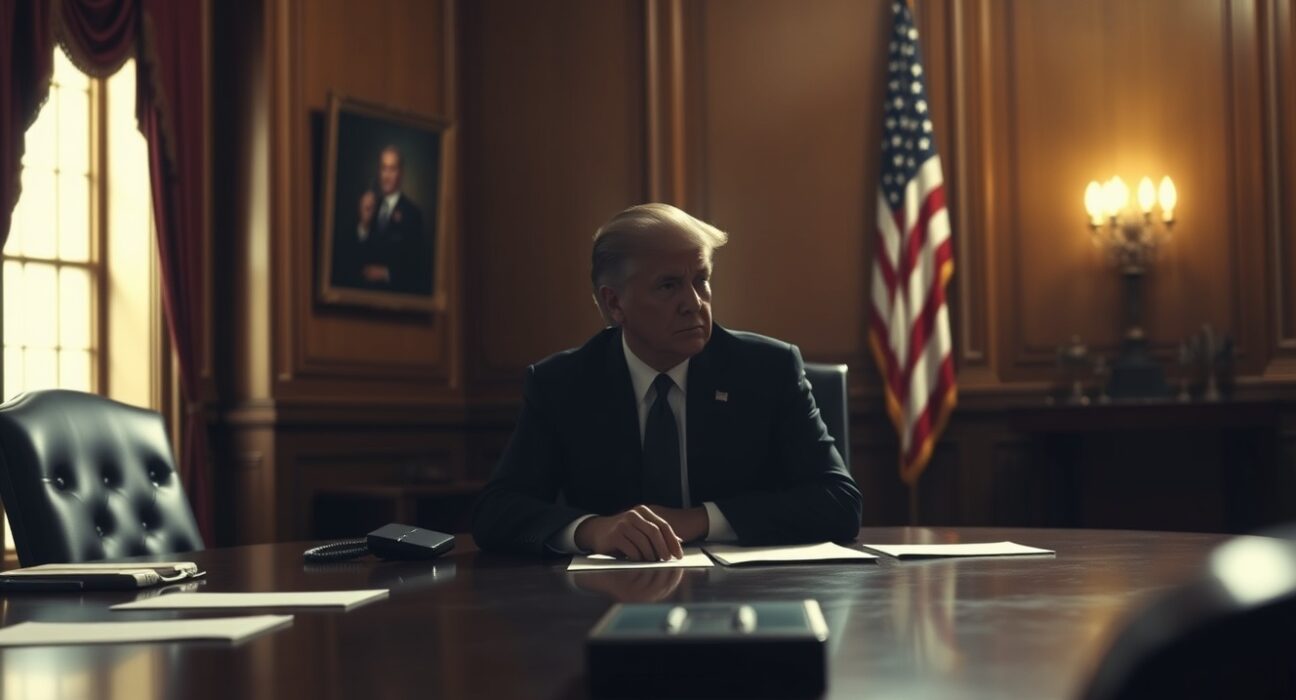
President Donald Trump has indicated that the United States is nearing a diplomatic agreement with Iran, while simultaneously signaling that two of his prominent envoys—Special Envoy Steve Witkoff and former advisor Jared Kushner—are unlikely to be dispatched to lead the negotiations. The remarks, reported by PBS, offer a fresh glimpse into the administration’s evolving strategy toward Tehran.
A Shift in Diplomatic Strategy
Trump’s comments suggest a potential departure from the high-profile, personal diplomacy that has characterized some of his administration’s previous foreign policy moves. By downplaying the roles of Witkoff and Kushner, the President may be signaling a preference for a more traditional, back-channel approach, or perhaps a desire to keep the negotiations within a tighter, more controlled circle. The exact reasons for this shift remain unclear, but it could reflect a calculation that a less publicized process might yield a more durable agreement.
Background and Implications
The U.S. and Iran have been locked in a tense standoff over Tehran’s nuclear program and regional influence for years. Trump’s previous administration withdrew from the 2015 Joint Comprehensive Plan of Action (JCPOA), reimposing sanctions that have crippled Iran’s economy. The current negotiations, if successful, could represent a major diplomatic breakthrough, potentially easing tensions and reshaping the geopolitical landscape of the Middle East.
Why This Matters to Readers
For investors, energy markets, and anyone tracking global stability, a U.S.-Iran deal could have significant ripple effects. An agreement might lead to the lifting of sanctions, increasing global oil supply and potentially lowering energy prices. For the broader public, a successful deal could reduce the risk of military conflict in a volatile region. The exclusion of Witkoff and Kushner also raises questions about the internal dynamics of the administration and who will ultimately shape the final terms of any agreement.
Conclusion
While President Trump’s optimism about a deal is notable, his decision to sideline key envoys adds a layer of uncertainty to the process. The coming weeks will be critical in determining whether the administration’s new approach can deliver a tangible agreement with Iran, or if the negotiations will stall. The world will be watching closely.
FAQs
Q1: Why is Trump downplaying the roles of Witkoff and Kushner?
The President’s exact reasoning is not public, but it may reflect a strategic shift toward a more discreet or controlled negotiation process, or a change in the administration’s internal hierarchy regarding Iran policy.
Q2: What is the current status of U.S.-Iran relations?
Relations remain strained after the U.S. withdrawal from the JCPOA and the imposition of sanctions. However, recent signals from both sides suggest a renewed interest in diplomacy, with Trump now stating a deal is imminent.
Q3: How could a deal with Iran affect the global economy?
A successful deal could lead to the removal of sanctions on Iranian oil, increasing global supply and potentially lowering crude oil prices. This could benefit consumers and energy-dependent industries, but may also disrupt the strategies of other major oil producers.
Disclaimer: The information provided is not trading advice, Bitcoinworld.co.in holds no liability for any investments made based on the information provided on this page. We strongly recommend independent research and/or consultation with a qualified professional before making any investment decisions.
