

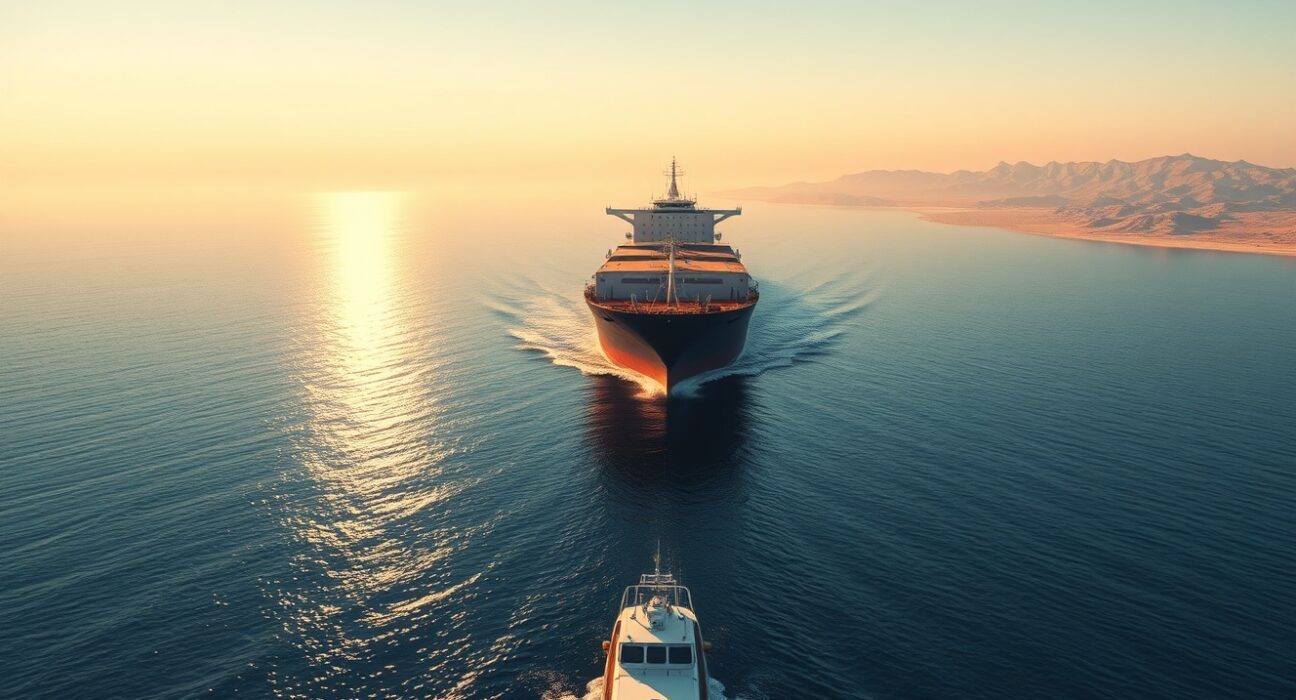
US President Donald Trump has stated that Iran wants the Strait of Hormuz to remain open, a significant development amid ongoing efforts to end the war in the Middle East. This statement comes as global markets closely monitor the strategic waterway, through which about 20% of the world’s oil passes. The Strait of Hormuz is a narrow channel between the Persian Gulf and the Gulf of Oman, and any disruption to its traffic can cause severe volatility in global energy prices.
Trump’s Statement on Iran and the Strait of Hormuz
President Trump made the remarks during a press conference at the White House. He said, “Iran wants the Strait of Hormuz open. They understand the consequences of closing it.” This marks a notable shift in tone from previous administrations, which often accused Iran of threatening to block the waterway. The statement aligns with broader diplomatic efforts to de-escalate tensions in the region. Analysts view this as a positive signal for ongoing peace negotiations.
Geopolitical Context and Background
The Strait of Hormuz has been a flashpoint for decades. Iran has periodically threatened to close the strait in response to sanctions or military pressure. In 2019, the US and Iran came close to a direct confrontation after attacks on oil tankers near the strait. However, recent diplomatic backchannels, facilitated by Oman and Iraq, have opened new lines of communication. Trump’s statement suggests that these efforts are yielding results.
Why the Strait Matters to Global Markets
The strait is a chokepoint for global energy supplies. Here are key facts:
- Oil transit: Approximately 17 million barrels of oil pass through daily.
- LNG exports: Qatar, the world’s largest LNG exporter, relies on the strait.
- Alternative routes: Only a few pipelines exist, and they have limited capacity.
- Insurance costs: Any threat to the strait spikes shipping insurance premiums.
Any closure would cause oil prices to surge, potentially triggering a global recession. Therefore, Trump’s assurance is a relief for energy markets.
Impact on Oil Prices and Energy Security
Following Trump’s statement, oil prices eased slightly. Brent crude fell by 1.5% in early trading. Traders had priced in a risk premium due to the conflict. The news reduces that premium. However, experts warn that the situation remains fragile. Iran’s economy is under severe strain from sanctions, and internal political pressures could shift its stance. The International Energy Agency (IEA) has stated that global oil inventories are at a five-year low, making markets vulnerable to any supply disruption.
Expert Analysis on Iran’s Motivations
Dr. Sarah Johnson, a Middle East analyst at the Center for Strategic Studies, explains: “Iran needs the strait open to export its own oil. Despite sanctions, Iran still sells oil to China and other buyers. Closing the strait would cut off its own revenue stream.” She adds that Iran’s leadership is pragmatic. “They want to end the war and lift sanctions. Keeping the strait open is a bargaining chip.” This aligns with Trump’s statement, suggesting a mutual interest in stability.
Timeline of Key Events
A brief timeline shows the evolution of the crisis:
- 2018: US withdraws from the Iran nuclear deal, reimposes sanctions.
- 2019: Iran shoots down a US drone; tanker attacks near the strait.
- 2020: US kills General Soleimani; Iran retaliates by striking US bases.
- 2023: Diplomatic talks resume in Oman.
- 2025: Trump makes statement on Iran’s willingness to keep the strait open.
This timeline shows the shift from confrontation to potential cooperation.
Broader Implications for Middle East Peace
Trump’s statement is part of a larger effort to end the war. The conflict has caused a humanitarian crisis, with millions displaced. A stable Strait of Hormuz is a prerequisite for any lasting peace deal. Iran’s cooperation on the strait could lead to progress on other issues, such as its nuclear program and support for proxy groups. However, skeptics argue that Iran may be making tactical concessions without long-term commitment.
Reactions from Regional Players
Saudi Arabia and the UAE have welcomed Trump’s statement. Both nations rely on the strait for their oil exports. Saudi Energy Minister Prince Abdulaziz bin Salman said, “We support any effort that ensures the free flow of energy.” Meanwhile, Israel expressed caution, noting that Iran’s intentions remain unclear. The Gulf Cooperation Council (GCC) has called for a formal agreement guaranteeing the strait’s neutrality.
Conclusion
President Trump’s statement that Iran wants the Strait of Hormuz open is a significant development in the effort to end the Middle East war. It signals a potential de-escalation of tensions and provides reassurance to global energy markets. However, the situation remains complex, with deep-seated mistrust on all sides. The coming weeks will reveal whether this is a genuine shift or a temporary tactic. For now, the world watches the strait with cautious optimism.
FAQs
Q1: Why is the Strait of Hormuz so important?
A1: The Strait of Hormuz is a narrow waterway through which about 20% of the world’s oil passes. Any disruption can cause oil prices to spike and affect the global economy.
Q2: What did President Trump say about Iran and the strait?
A2: President Trump stated that Iran wants the Strait of Hormuz to remain open, indicating a willingness to cooperate amid peace efforts.
Q3: How did oil markets react to the news?
A3: Oil prices eased slightly, with Brent crude falling by 1.5%, as the risk premium related to a potential closure was reduced.
Q4: What are Iran’s motivations for keeping the strait open?
A4: Iran needs the strait to export its own oil and generate revenue. Closing it would harm its economy and reduce its leverage in negotiations.
Q5: Is this a sign of lasting peace in the Middle East?
A5: It is a positive sign, but experts caution that deep-seated mistrust remains. A lasting peace will require broader agreements on nuclear issues and regional security.
Disclaimer: The information provided is not trading advice, Bitcoinworld.co.in holds no liability for any investments made based on the information provided on this page. We strongly recommend independent research and/or consultation with a qualified professional before making any investment decisions.
