

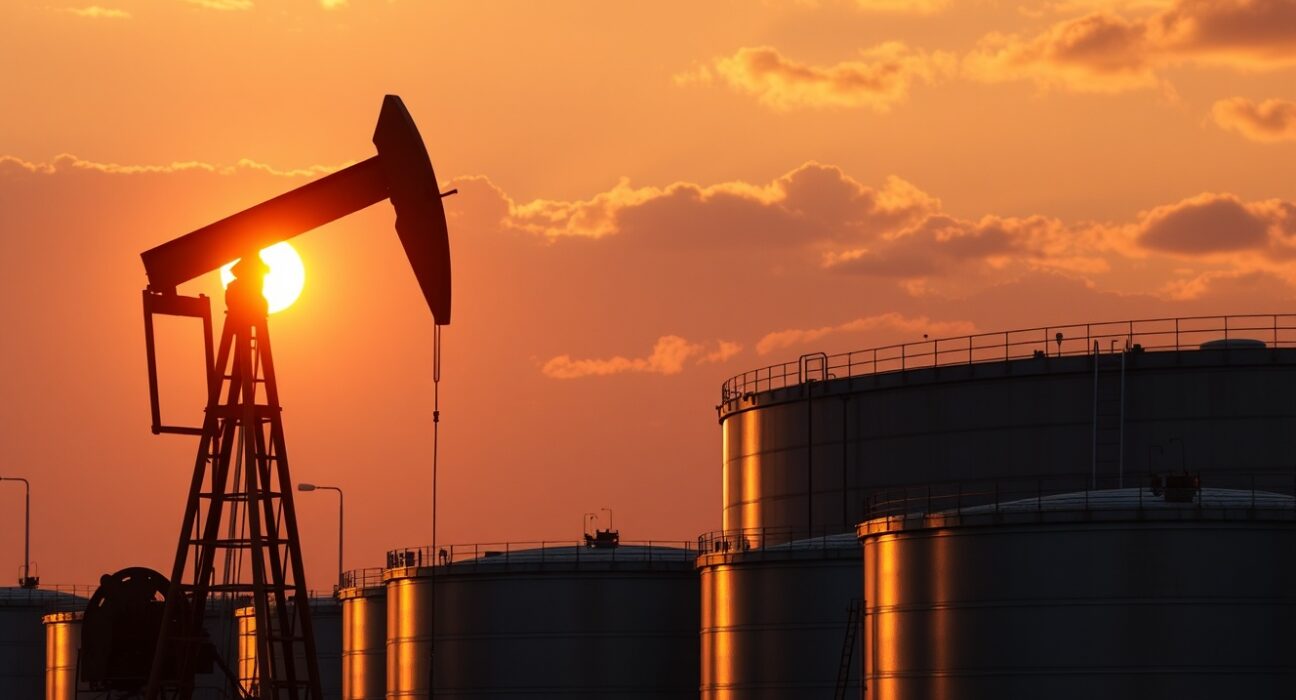
West Texas Intermediate (WTI) crude oil futures remained resilient above the $102 per barrel mark on Tuesday, even after the United States signaled a pause in its military strike operations against Iran. The move injected a fresh layer of uncertainty into a market already grappling with tight supply fundamentals and elevated geopolitical risk premiums.
Market Reaction to the Pause
Prices initially dipped on the news but quickly recovered, settling into a narrow trading range near $102.30. Traders interpreted the pause not as a de-escalation, but as a tactical recalibration. The US administration has not ruled out further action, leaving the door open for renewed tensions that could disrupt oil flows from the Strait of Hormuz, a critical chokepoint for global crude shipments.
Analysts noted that the market has already priced in a significant risk premium. A full-blown conflict could remove millions of barrels per day from the market, while a prolonged standoff keeps supply chains under constant threat. The pause, therefore, does little to resolve the underlying supply-demand imbalance.
Supply Fundamentals Remain Tight
Beyond geopolitics, the physical market remains tight. OPEC+ production cuts continue to constrain output, while global inventories have drawn down steadily over recent months. US commercial crude stocks fell by 2.3 million barrels in the latest reporting week, according to the Energy Information Administration, adding further support to prices.
Demand-side factors are also in play. Refinery runs in Asia and Europe remain strong as economies recover, and the summer driving season in the Northern Hemisphere is boosting gasoline consumption. These structural factors provide a floor under prices, even when headline risk ebbs.
What the Pause Means for Traders
For market participants, the key question is whether the pause signals a genuine diplomatic opening or a temporary tactical halt. The Biden administration has emphasized that it retains the right to respond to any Iranian provocation, which keeps the threat of supply disruption alive. Options markets reflect this uncertainty, with implied volatility remaining elevated across the crude complex.
Meanwhile, Iran has not altered its stance on nuclear negotiations or regional military posture. This suggests that the underlying geopolitical risk is unlikely to dissipate quickly, keeping a floor under WTI prices in the near term.
Conclusion
WTI crude oil’s ability to hold above $102 despite the US pause on Iran strikes underscores the market’s focus on tight supply and persistent geopolitical risk. While the pause provides a temporary reprieve from escalation fears, it does not resolve the structural imbalances or the broader security concerns in the Middle East. Traders should expect continued volatility, with any new development capable of reigniting upward pressure on prices.
FAQs
Q1: Why did WTI prices stay above $102 even after the US paused Iran strikes?
The market has already priced in a significant geopolitical risk premium, and the pause does not eliminate the threat of future disruptions. Additionally, tight supply fundamentals and strong demand continue to support prices.
Q2: Could the US-Iran situation still impact oil supply?
Yes. Iran sits near the Strait of Hormuz, through which about 20% of global oil passes. Any escalation could disrupt tanker traffic, directly affecting supply and prices.
Q3: How long might WTI stay above $100?
That depends on geopolitical developments, OPEC+ decisions, and global demand trends. As long as supply remains constrained and risk premiums persist, prices are likely to stay elevated in the near term.
Disclaimer: The information provided is not trading advice, Bitcoinworld.co.in holds no liability for any investments made based on the information provided on this page. We strongly recommend independent research and/or consultation with a qualified professional before making any investment decisions.
