

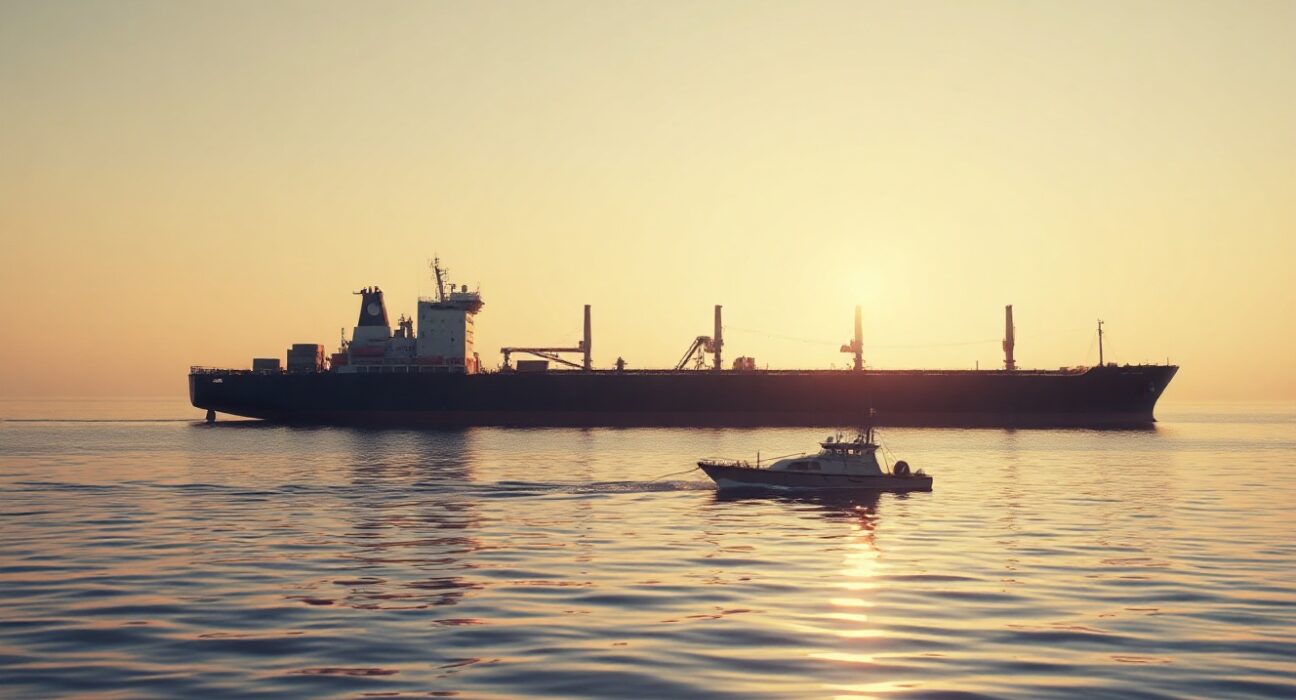
U.S. President Donald Trump stated on Monday that Iran has informed the United States it will not collect tolls from vessels passing through the Strait of Hormuz, a critical chokepoint for global oil shipments. Trump also emphasized that the U.S. has not provided any funds to Iran nor unfrozen any of its assets, countering speculation that negotiations may have included financial concessions.
Context of the Statement
The Strait of Hormuz, connecting the Persian Gulf to the Gulf of Oman, is one of the world’s most strategically important waterways. Approximately one-fifth of the global oil supply passes through it daily. Iran has historically asserted its right to regulate traffic in the strait, and threats to disrupt shipping have been a recurring feature of U.S.-Iran tensions. Trump’s remarks come amid ongoing diplomatic efforts to address Iran’s nuclear program and regional activities, though no formal agreement has been announced.
Implications for Global Shipping and Oil Markets
The announcement, if confirmed, could ease immediate concerns about supply disruptions in the region. Shipping companies and insurers have closely monitored the strait for signs of increased tolls or harassment by Iranian authorities. However, the lack of a written agreement or official confirmation from Iranian officials leaves room for uncertainty. Oil prices have fluctuated in response to similar statements in the past, and traders are likely to remain cautious until more concrete details emerge.
Why This Matters
For readers, this development signals a potential de-escalation in one of the most volatile maritime flashpoints. It also underscores the delicate balance of power in the region, where economic and military interests intersect. The U.S. position of not providing financial incentives to Iran may influence future negotiations and the broader diplomatic landscape.
Conclusion
Trump’s statement provides a snapshot of current U.S.-Iran dynamics, but verification and further details are needed. The situation remains fluid, and stakeholders in global energy markets should monitor official channels for confirmation. The absence of tolls, if sustained, could reduce a key source of tension in the region.
FAQs
Q1: What is the Strait of Hormuz?
The Strait of Hormuz is a narrow waterway between Iran and Oman, through which about 20% of the world’s oil passes. It is a critical chokepoint for global energy supplies.
Q2: Has Iran officially confirmed it will not collect tolls?
As of this report, there has been no official confirmation from Iranian authorities. Trump’s statement is the primary source of this claim.
Q3: Could this affect oil prices?
Yes, any perceived reduction in risk to shipping through the strait can lead to lower oil price volatility, though markets will likely wait for independent verification before reacting significantly.
Disclaimer: The information provided is not trading advice, Bitcoinworld.co.in holds no liability for any investments made based on the information provided on this page. We strongly recommend independent research and/or consultation with a qualified professional before making any investment decisions.
