

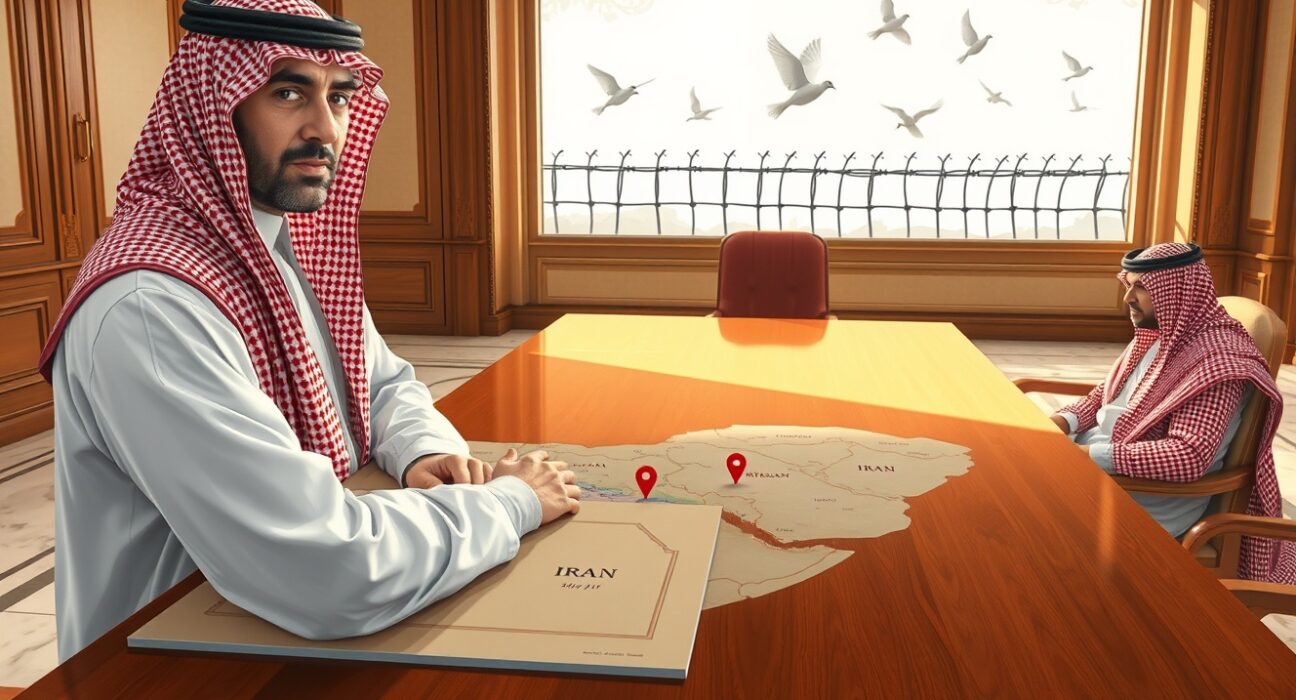
WASHINGTON, D.C. — A senior Gulf official has revealed that President Donald Trump is demonstrating increasing desperation to end the protracted conflict with Iran, according to exclusive reporting from Politico. This assessment follows the temporary ceasefire Trump recently brokered between Israel and Lebanon, signaling a potential shift in American diplomatic strategy. The official, speaking on condition of anonymity due to the sensitivity of ongoing negotiations, indicated that Trump may accept more compromises than his public statements suggest.
Trump’s Diplomatic Moves Signal Policy Shift
President Trump’s recent diplomatic initiatives mark a significant departure from previous administration positions. The temporary ceasefire between Israel and Lebanon, which Trump personally mediated, represents his most substantial Middle East intervention to date. Furthermore, his invitation to Israeli and Lebanese leaders for White House talks underscores this evolving approach. By advocating for an end to Israeli bombing campaigns, Trump effectively removed a major obstacle that Iran could have leveraged during negotiations.
Middle East analysts note several key developments:
- Ceasefire Implementation: The Israel-Lebanon truce has held for 72 hours
- Diplomatic Outreach: Multiple Gulf states have confirmed backchannel communications
- Timeline Compression: Negotiations have accelerated since Pakistan talks stalled
Domestic Pressure Influences Foreign Policy
Domestic political considerations are increasingly shaping Trump’s foreign policy calculus. The failed negotiations in Pakistan last weekend generated substantial criticism from both political parties. Consequently, the administration faces mounting pressure to demonstrate diplomatic progress before the upcoming election cycle. A State Department official, speaking anonymously, confirmed that “the political timeline is influencing the negotiation timeline.”
Expert Analysis of Negotiation Dynamics
Dr. Sarah Chen, Middle East Studies professor at Georgetown University, provides crucial context. “Historical precedent shows that American presidents facing domestic challenges often seek foreign policy victories,” Chen explains. “The Iran conflict represents both a political liability and potential opportunity for the Trump administration.” She references similar patterns during previous administrations facing election pressures.
| Date | Event | Outcome |
|---|---|---|
| March 15 | Pakistan Talks | No Agreement |
| March 18 | Israel-Lebanon Ceasefire | Temporary Truce |
| March 20 | White House Invitations | Scheduled Meetings |
| March 22 | Gulf Official Statement | Policy Assessment |
Iran’s Negotiating Position Remains Firm
Despite Trump’s apparent flexibility, Iran maintains a consistent negotiating stance. The Gulf official emphasized that Tehran has not offered terms allowing for what the administration would consider an “honorable withdrawal.” Iranian officials continue to demand significant concessions regarding sanctions relief and regional influence. Moreover, they seek guarantees about future American military presence in the region.
Regional experts identify three core Iranian demands:
- Comprehensive sanctions removal
- Recognition of regional security interests
- Verifiable non-interference commitments
Regional Implications of Potential Agreement
A potential US-Iran agreement would fundamentally reshape Middle East dynamics. Gulf states, particularly Saudi Arabia and the United Arab Emirates, monitor developments closely. These nations have historically opposed American rapprochement with Iran. However, recent economic challenges and regional instability have created new diplomatic calculations.
Military and Economic Considerations
General Mark Thompson (Ret.), former CENTCOM advisor, outlines the strategic landscape. “Any agreement requires addressing both military posture and economic relationships,” Thompson states. “The Gulf states seek assurances about American security commitments, while Iran demands economic normalization.” He notes that previous negotiation attempts failed to balance these competing interests effectively.
Conclusion
The Gulf official’s revelation about Trump’s desperation to end the Iran war highlights significant shifts in American foreign policy. The temporary Israel-Lebanon ceasefire and upcoming White House meetings demonstrate tangible diplomatic movement. However, substantial differences remain between American and Iranian positions. Ultimately, successful negotiations will require addressing core security concerns while providing political victories for all parties involved. The Trump Iran war strategy now appears focused on achieving a face-saving resolution through increased flexibility and compromise.
FAQs
Q1: What specific compromises might Trump accept regarding Iran?
The Gulf official suggested Trump might show flexibility on sanctions timing, regional presence verification mechanisms, and phased implementation of agreements, though specific details remain confidential.
Q2: How does the Israel-Lebanon ceasefire relate to Iran negotiations?
The ceasefire removes a potential Iranian objection about regional violence, demonstrating American diplomatic capability and creating momentum for broader negotiations.
Q3: What domestic pressures influence Trump’s Iran policy?
Political opposition, public war fatigue, economic concerns, and upcoming electoral considerations all contribute to administration urgency for diplomatic resolution.
Q4: How have Gulf states traditionally viewed US-Iran relations?
Most Gulf states historically opposed American engagement with Iran, fearing diminished US commitment to their security and increased Iranian regional influence.
Q5: What constitutes an “honorable withdrawal” for the Trump administration?
Experts define this as an agreement allowing claims of diplomatic success, verifiable Iranian compliance, maintained regional alliances, and avoidance of perception of American weakness.
Disclaimer: The information provided is not trading advice, Bitcoinworld.co.in holds no liability for any investments made based on the information provided on this page. We strongly recommend independent research and/or consultation with a qualified professional before making any investment decisions.
