
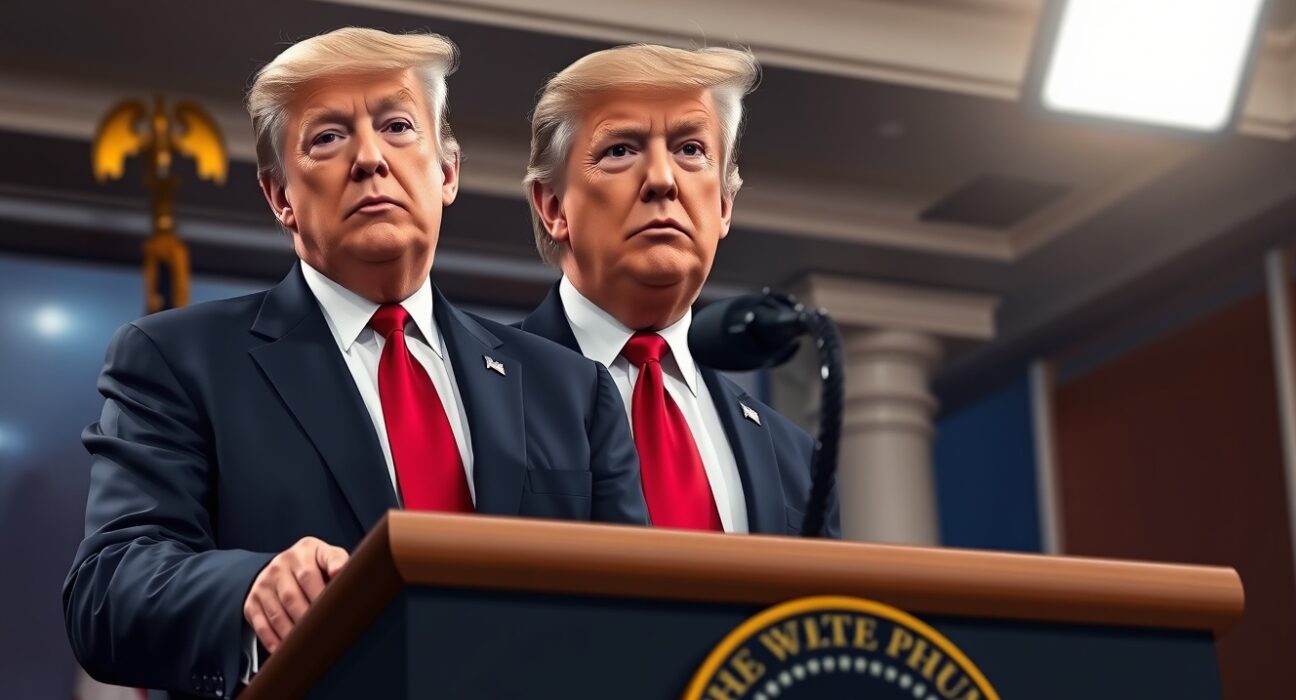
WASHINGTON, D.C. — President Donald Trump asserted on Tuesday that he possesses the authority to terminate the ongoing conflict with Iran at any moment, while simultaneously expressing confidence that the military engagement would conclude shortly. This declaration, initially reported by Axios, arrives during a period of heightened regional tensions and complex diplomatic maneuvering. Consequently, analysts are scrutinizing the statement’s implications for Middle Eastern stability and global energy markets.
Trump Iran War Statement Analysis
President Trump made his remarks during a private meeting with advisors, according to sources familiar with the discussion. Specifically, he stated, “The war with Iran would end soon,” while adding the significant qualification that “he could end it whenever he chooses.” This dual assertion combines a prediction about the conflict’s timeline with a claim of unilateral presidential authority. Furthermore, the statement follows months of escalating rhetoric and military posturing between Washington and Tehran.
The United States and Iran have experienced strained relations for decades, particularly following the 2018 U.S. withdrawal from the Joint Comprehensive Plan of Action (JCPOA). Subsequently, tensions escalated through a series of incidents including tanker attacks, drone shootdowns, and the January 2020 assassination of Iranian General Qasem Soleimani. Therefore, Trump’s current comments represent a notable development in this prolonged geopolitical standoff.
Geopolitical Context and Regional Impacts
The Middle East remains a critical global flashpoint where regional powers maintain complex alliances. Iran supports various proxy groups across Lebanon, Syria, Yemen, and Iraq, creating a network of influence that complicates conflict resolution. Meanwhile, regional allies like Israel and Saudi Arabia view Iranian expansion with considerable alarm, frequently urging stronger U.S. responses to Tehran’s activities.
Military and Economic Considerations
Several factors potentially influence the conflict’s trajectory and resolution timeline. First, military assessments suggest that sustained engagement carries significant risks for all parties involved. Second, economic pressures, particularly sanctions, have substantially impacted Iran’s economy. Third, domestic political considerations in both nations create constraints on leadership decisions. Finally, international diplomatic channels continue to operate behind the scenes despite public confrontations.
Key regional impacts include:
- Oil market volatility affecting global energy prices
- Shipping security concerns in the Strait of Hormuz
- Humanitarian consequences for civilian populations
- Arms race dynamics among neighboring states
- Refugee movement patterns and regional displacement
Presidential Authority and Constitutional Questions
Trump’s claim that he can end the war “whenever he chooses” raises important questions about executive power. The U.S. Constitution grants Congress the authority to declare war, but modern conflicts often begin without formal declarations. Additionally, the 1973 War Powers Resolution establishes procedures for presidential military actions, requiring congressional authorization for sustained engagements. However, interpretations of these legal frameworks frequently generate debate among constitutional scholars.
Historical precedents show varying approaches to conflict termination. For instance, President Nixon negotiated Vietnam War conclusions through diplomatic channels. Conversely, President Obama announced conclusions to Iraq and Afghanistan operations with specific withdrawal timelines. Therefore, Trump’s statement suggests a potentially different approach emphasizing unilateral executive action rather than negotiated settlement or congressional consultation.
| Conflict | President | Resolution Method | Duration |
|---|---|---|---|
| Vietnam War | Nixon | Diplomatic Agreement | 8 years |
| Iraq War | Obama | Troop Withdrawal | 9 years |
| Afghanistan | Biden | Military Withdrawal | 20 years |
Expert Analysis and Strategic Perspectives
National security experts offer mixed interpretations of Trump’s statement. Some analysts suggest it represents strategic messaging designed to pressure Iran during negotiations. Others interpret it as reflecting actual military assessments about conflict sustainability. Additionally, diplomatic observers note that public declarations often serve multiple purposes in international relations, simultaneously addressing domestic and foreign audiences.
Regional specialists emphasize that conflict resolution requires addressing underlying issues beyond military disengagement. These include Iran’s nuclear program, ballistic missile development, and regional proxy activities. Furthermore, comprehensive solutions typically involve multilateral frameworks engaging European powers, Russia, China, and regional actors. Consequently, unilateral claims of conflict termination ability may oversimplify complex geopolitical realities.
International Reactions and Diplomatic Channels
Global responses to Trump’s statement have emerged cautiously. European allies generally prefer diplomatic solutions through existing frameworks like the JCPOA. Meanwhile, regional partners express concerns about security guarantees and Iranian behavior. Additionally, international organizations monitor humanitarian impacts and potential violations of international law. These varied perspectives illustrate the multidimensional nature of conflict resolution in the contemporary global system.
Diplomatic backchannels reportedly remain active despite public confrontations. Neutral nations sometimes facilitate communication between adversarial states. Moreover, international organizations provide platforms for indirect dialogue. However, substantive progress typically requires reciprocal concessions and confidence-building measures that address core security concerns for all parties involved in the conflict.
Conclusion
President Trump’s assertion about ending the Iran war represents a significant development in ongoing Middle Eastern tensions. His dual claim—predicting imminent resolution while asserting unilateral termination authority—merits careful analysis within broader geopolitical and constitutional contexts. Ultimately, sustainable conflict resolution requires addressing underlying security concerns through comprehensive diplomatic engagement. The coming weeks will reveal whether this Trump Iran war statement signals genuine de-escalation or represents strategic positioning in complex international negotiations.
FAQs
Q1: What exactly did President Trump say about the Iran war?
President Trump stated that the war with Iran would end soon and that he could end it whenever he chooses, according to an Axios report based on sources familiar with his private remarks.
Q2: What legal authority does the president have to end a war?
The president commands U.S. armed forces as commander-in-chief and can order military disengagement, but formal conflict termination often involves congressional consultation, diplomatic agreements, or treaty processes depending on the conflict’s nature and legal status.
Q3: How have other U.S. presidents ended military conflicts?
Historical approaches vary significantly, including diplomatic agreements (Vietnam), troop withdrawal timelines (Iraq), and complete military disengagement (Afghanistan), with each method reflecting specific geopolitical circumstances and domestic political considerations.
Q4: What factors might influence the Iran conflict’s resolution?
Multiple factors could affect resolution, including diplomatic negotiations, economic pressures, military assessments, regional ally positions, domestic politics in both nations, and international community engagement through multilateral frameworks.
Q5: How are other countries responding to this development?
International reactions appear cautious, with European allies emphasizing diplomatic solutions, regional partners expressing security concerns, and global organizations monitoring humanitarian impacts while diplomatic channels continue operating behind the scenes.
Disclaimer: The information provided is not trading advice, Bitcoinworld.co.in holds no liability for any investments made based on the information provided on this page. We strongly recommend independent research and/or consultation with a qualified professional before making any investment decisions.