

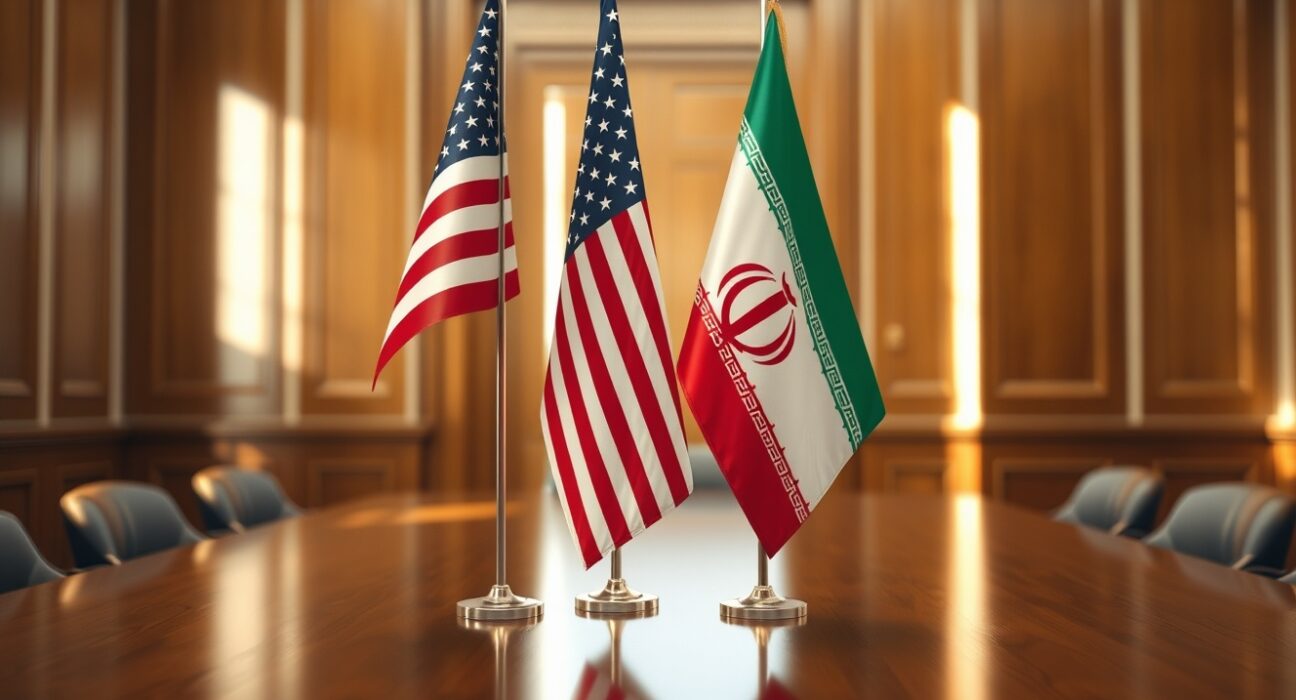
WASHINGTON, D.C., March 15, 2025 – President Donald Trump declared the United States has achieved victory in its conflict with Iran, marking a significant moment in Middle Eastern geopolitics. This statement, reported by Walter Bloomberg, suggests potential de-escalation after years of regional tension. Consequently, analysts worldwide are examining the implications for international security and diplomatic relations.
Trump Iran War Statement: Context and Immediate Reactions
President Trump’s announcement emerged during a press briefing at the White House. He stated the U.S. has won the war with Iran and believes the conflict can conclude. However, he acknowledged uncertainty about definitive resolution. This declaration follows months of strategic military and diplomatic maneuvers.
Furthermore, regional experts note the statement’s timing coincides with renewed nuclear negotiations. The 2015 Joint Comprehensive Plan of Action (JCPOA) collapsed in 2018. Subsequently, tensions escalated through proxy conflicts and economic sanctions. For instance, key events include:
- 2018: U.S. withdrawal from JCPOA
- 2019-2020: Attacks on oil facilities and drone strikes
- 2023: Indirect talks in Vienna
- 2024: Regional ceasefire discussions
International reactions varied significantly. European allies expressed cautious optimism. Meanwhile, Gulf states monitored developments closely. Iranian officials initially offered no formal response. However, regional media highlighted internal political divisions.
Geopolitical Analysis of US-Iran Relations
The U.S.-Iran relationship remains complex and multifaceted. Historical context reveals persistent challenges since the 1979 Iranian Revolution. Additionally, regional power dynamics influence every diplomatic interaction. For example, Saudi Arabia and Israel maintain strong security concerns.
Economic factors also play a crucial role. U.S. sanctions significantly impacted Iran’s economy. Specifically, oil exports decreased by approximately 80% since 2018. Consequently, inflation rates soared above 40% annually. The table below illustrates key economic indicators:
| Indicator | 2017 | 2024 |
|---|---|---|
| Oil Exports (barrels/day) | 2.5 million | 500,000 |
| Inflation Rate | 9.6% | 42.3% |
| Currency Value (vs USD) | 42,000 rial | 320,000 rial |
Military analysts emphasize strategic considerations. The U.S. maintains substantial forces in the region. Conversely, Iran supports various proxy groups. These include Hezbollah in Lebanon and Houthi rebels in Yemen. Therefore, any conflict resolution requires addressing these networks.
Expert Perspectives on Conflict Resolution
Dr. Elena Rodriguez, Senior Fellow at the Center for Strategic Studies, provides critical insight. She notes declaration of victory differs from achieving sustainable peace. Rodriguez emphasizes verification mechanisms for any agreement. Additionally, she highlights humanitarian concerns in conflict zones.
Regional security experts identify several prerequisites for lasting resolution. First, nuclear program limitations must be verifiable. Second, ballistic missile development requires constraints. Third, regional proxy activities need reduction. Finally, economic normalization should proceed gradually.
International law specialists reference relevant frameworks. The United Nations Charter prohibits aggressive warfare. Meanwhile, diplomatic protocols govern conflict termination. These include ceasefire agreements and peace treaties. Historical precedents offer valuable lessons from similar conflicts.
Regional Impacts and Global Implications
The Middle East faces significant transformation possibilities. Regional stability could improve substantially. However, underlying sectarian tensions persist. Sunni-Shia divisions continue influencing political alliances. Moreover, non-state actors maintain independent agendas.
Global energy markets reacted cautiously to the announcement. Oil prices initially dropped 2.3%. Subsequently, they stabilized as traders awaited confirmation. Major importers like China and India monitor supply security. Additionally, alternative energy investments may accelerate.
International organizations prepared response strategies. The United Nations Security Council scheduled emergency consultations. The International Atomic Energy Agency (IAEA) increased monitoring preparations. Humanitarian agencies coordinated aid delivery plans for affected regions.
Historical Context and Diplomatic Precedents
U.S.-Iran relations have experienced numerous turning points. The 1953 coup established close ties initially. The 1979 revolution dramatically reversed this relationship. The 1980-1988 Iran-Iraq War saw complex U.S. involvement. More recently, the 2015 nuclear deal represented diplomatic breakthrough.
Comparative analysis with other conflicts reveals patterns. The Korean War ended with armistice rather than peace treaty. The Vietnam War concluded through Paris Peace Accords. These examples demonstrate various conflict termination models. Each situation presents unique challenges and opportunities.
Diplomatic channels remain essential for implementation. Third-party mediators often facilitate negotiations. Switzerland frequently serves this role for U.S.-Iran communications. Oman and Qatar have also hosted indirect talks. These neutral venues build necessary trust.
Conclusion
President Trump’s declaration about the Iran conflict represents potential turning point. However, practical implementation requires careful diplomatic work. Regional stability depends on verifiable agreements addressing core issues. The international community watches developments closely. Ultimately, sustainable peace benefits global security and economic prosperity. The Trump Iran war statement may initiate new chapter in Middle Eastern relations.
FAQs
Q1: What exactly did President Trump say about the Iran conflict?
President Trump stated the United States has won the war with Iran and believes the conflict can end, though he expressed some uncertainty about definitive resolution during his White House briefing.
Q2: How have other countries reacted to this announcement?
European allies expressed cautious optimism while awaiting details, Gulf states monitored developments closely, and Iranian officials had not issued formal response at publication time.
Q3: What are the main obstacles to lasting peace between the US and Iran?
Key challenges include verifying nuclear program limitations, addressing ballistic missile development, reducing regional proxy activities, and establishing gradual economic normalization processes.
Q4: How might this affect global oil markets?
Oil prices dropped initially but stabilized as traders sought confirmation; sustained resolution could increase Iranian exports, potentially lowering prices long-term if production increases significantly.
Q5: What historical agreements guide potential conflict resolution?
The 2015 JCPOA nuclear deal provides recent framework, while older models include armistice agreements like Korea’s and peace treaties like Vietnam’s, each offering different precedents.
Q6: Which organizations monitor implementation of such agreements?
The International Atomic Energy Agency (IAEA) oversees nuclear compliance, while the United Nations Security Council addresses broader security aspects, with humanitarian agencies monitoring civilian impacts.
Disclaimer: The information provided is not trading advice, Bitcoinworld.co.in holds no liability for any investments made based on the information provided on this page. We strongly recommend independent research and/or consultation with a qualified professional before making any investment decisions.