

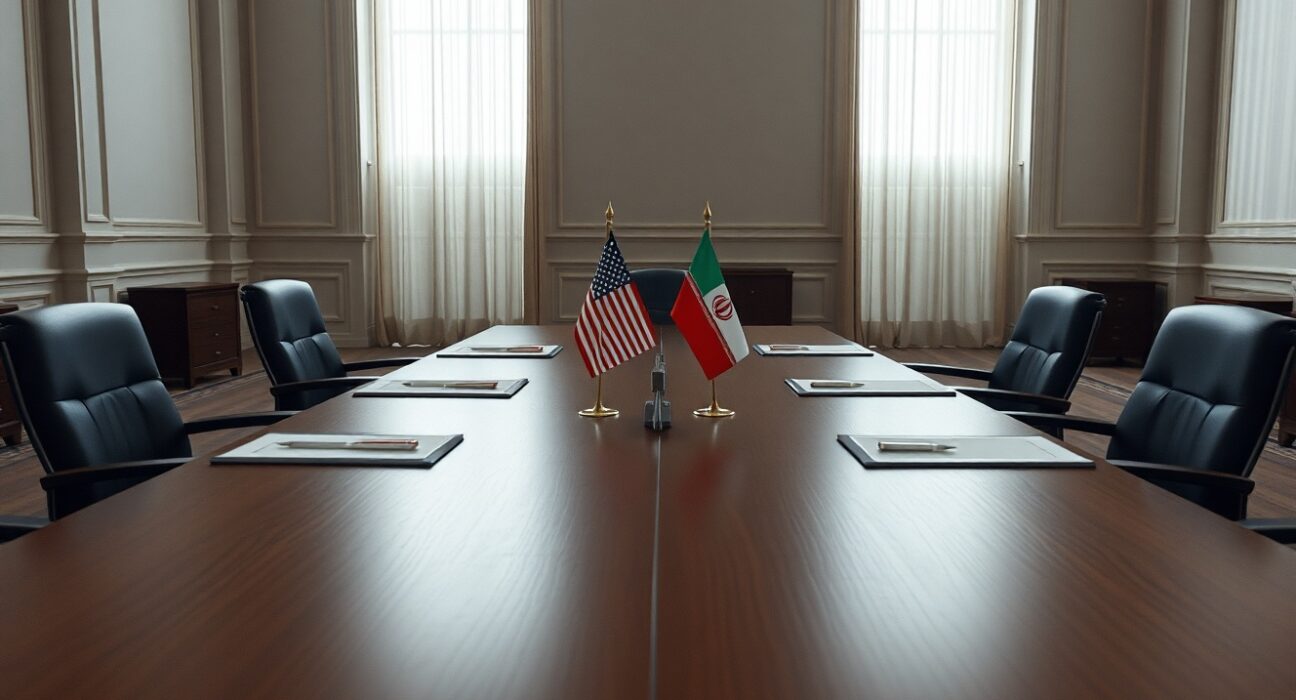
U.S. President Donald Trump informed Israeli Prime Minister Benjamin Netanyahu during a recent phone call that the United States and Iran are currently drafting a letter of intent, according to a report by Axios citing anonymous sources. The letter is said to outline a framework for both countries to potentially sign, initiating an additional 30 days of focused negotiations on several critical issues.
What the Draft Letter Reportedly Contains
The proposed document, as described by Axios, is not a final agreement but a declaration of intent to continue talks. Key areas of negotiation reportedly include an end to ongoing hostilities, discussions surrounding Iran’s nuclear program, and the reopening of the Strait of Hormuz, a vital maritime passage for global oil shipments. The 30-day window suggests a structured, time-bound approach to address these long-standing points of contention.
Strategic Implications for the Region
This development marks a significant diplomatic move, given the history of strained relations between Washington and Tehran. For Israel, which has consistently viewed Iran’s nuclear ambitions as an existential threat, the news introduces a new layer of strategic calculus. The inclusion of the Strait of Hormuz highlights concerns over energy security and regional stability, as any disruption there directly impacts global oil markets.
Why This Matters Now
The timing of this report is critical, as it comes amid heightened tensions in the Middle East and ongoing international efforts to curb Iran’s nuclear enrichment activities. A formalized negotiation track, even in its early stages, could de-escalate military risks and open a channel for broader diplomatic engagement. However, the reliance on anonymous sources underscores that details remain fluid and unconfirmed by official channels.
Conclusion
While the Axios report provides a glimpse into potential behind-the-scenes diplomacy, the lack of public confirmation from the White House or Iranian officials means the situation remains speculative. Readers should watch for official statements or further leaks to verify the scope and sincerity of this reported initiative. The coming days will be pivotal in determining whether this draft letter becomes a genuine stepping stone toward negotiation or remains an unfulfilled diplomatic signal.
FAQs
Q1: What is a letter of intent in this context?
A: It is a non-binding document that outlines the willingness of both parties to enter into formal negotiations on specific issues, serving as a precursor to a potential agreement.
Q2: Why is the Strait of Hormuz a key topic in these talks?
A: The Strait of Hormuz is a critical chokepoint for global oil transportation. Its closure or disruption can cause significant volatility in energy prices and supply chains, making it a central issue in regional stability.
Q3: How reliable is the Axios report?
A: Axios cites anonymous sources, which is common in diplomatic reporting. The information should be treated as preliminary and unconfirmed until official statements are released by the U.S. or Iranian governments.
Disclaimer: The information provided is not trading advice, Bitcoinworld.co.in holds no liability for any investments made based on the information provided on this page. We strongly recommend independent research and/or consultation with a qualified professional before making any investment decisions.
