
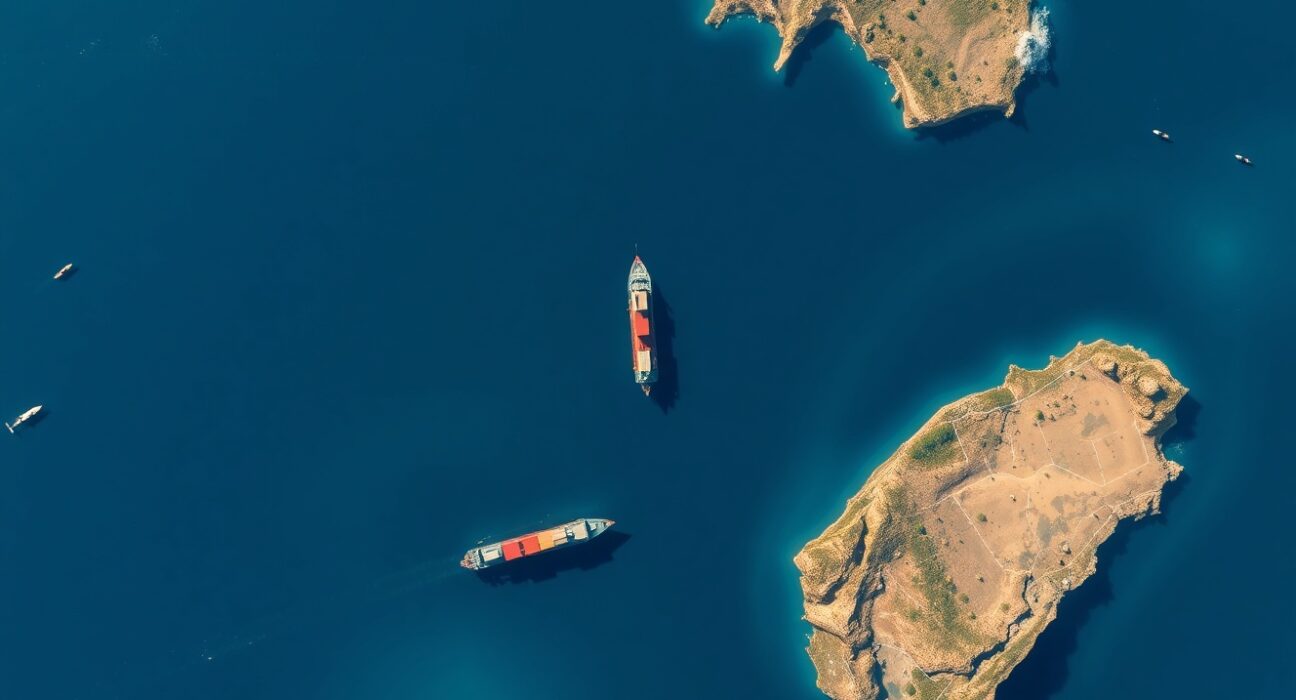
Former US President Donald Trump’s recent comments regarding the Taiwan Strait have ignited fresh analysis of one of the world’s most sensitive geopolitical flashpoints. Speaking at a campaign event, Trump delivered a characteristically direct warning, stating that the strategic waterway must remain open or consequences would follow. This statement immediately reverberated through diplomatic channels across Washington, Beijing, and Taipei. Consequently, regional security analysts have begun examining the potential implications for cross-strait relations and global trade routes. The Taiwan Strait serves as a crucial maritime corridor, with approximately 50% of the world’s container traffic and 90% of the largest ships by tonnage passing through annually.
Historical Context of the Taiwan Strait
The Taiwan Strait has represented a persistent geopolitical fault line since 1949. Following the Chinese Civil War, the Republic of China government retreated to Taiwan while the People’s Republic of China established control over the mainland. Both entities maintain the One-China principle, albeit with fundamentally different interpretations. Beijing consistently asserts sovereignty over Taiwan, considering the island a breakaway province that must eventually reunify with the mainland. Conversely, Taiwan has developed its own democratic governance and distinct identity over seven decades.
International relations experts note that the strait’s status remains deliberately ambiguous under US policy. The Taiwan Relations Act of 1979 commits Washington to provide Taiwan with defensive weapons while acknowledging Beijing’s position that there is only one China. This strategic ambiguity has maintained relative stability for decades. However, increasing Chinese military capabilities and more frequent naval exercises near Taiwan have heightened tensions significantly in recent years.
Military Balance and Security Dynamics
The People’s Liberation Army has substantially modernized its naval and air forces, conducting regular patrols and exercises in the Taiwan Strait. According to the 2024 Annual Report to Congress on Chinese military power, China now possesses the world’s largest navy by number of ships. Meanwhile, Taiwan has focused on asymmetric defense capabilities, investing in mobile anti-ship missiles, coastal defense systems, and cyber warfare units. The United States continues arms sales to Taiwan under the Taiwan Relations Act, including recent transfers of Harpoon coastal defense systems and F-16V fighter aircraft upgrades.
The strategic importance of the Taiwan Strait extends beyond territorial claims. This vital shipping lane facilitates approximately $1.2 trillion in annual trade. Major economies including Japan, South Korea, and Taiwan itself depend heavily on unimpeded access through these waters for energy imports and manufactured exports. Any disruption would immediately impact global supply chains, particularly in semiconductors, electronics, and automotive components.
Analysis of Trump’s Foreign Policy Approach
Donald Trump’s presidency from 2017 to 2021 featured an unconventional approach to China-Taiwan relations. His administration approved significant arms sales to Taiwan totaling over $18 billion, more than any previous administration during a single term. Furthermore, Trump signed the Taiwan Assurance Act of 2020, which strengthened congressional support for Taiwan’s participation in international organizations. However, his administration also pursued trade negotiations with Beijing, creating a complex diplomatic balancing act.
Regional security analysts observe that Trump’s recent comments align with his established foreign policy philosophy of unambiguous strength projection. His statement emphasizes freedom of navigation as a non-negotiable principle. This position finds support among many US allies in the Indo-Pacific region who share concerns about China’s expanding maritime claims. Japan, Australia, and the Philippines have all increased defense cooperation with the United States in response to regional security challenges.
| Year | Transits | Ship Types |
|---|---|---|
| 2021 | 12 | Destroyers, Cruisers |
| 2022 | 10 | Destroyers, Coast Guard |
| 2023 | 11 | Destroyers, Littoral Combat Ships |
| 2024 | 9 | Destroyers, Supply Ships |
The United States Navy maintains a regular presence in the Taiwan Strait through Freedom of Navigation Operations (FONOPs). These transits demonstrate Washington’s commitment to keeping international waters open to all nations. China typically responds to these operations with diplomatic protests and shadowing by its own naval vessels. Nevertheless, both nations have established protocols to prevent accidental escalation during these encounters.
Economic Implications of Strait Disruption
The Taiwan Strait’s economic significance cannot be overstated. Taiwan produces approximately 60% of the world’s semiconductors and over 90% of the most advanced chips. Major technology companies including TSMC, MediaTek, and United Microelectronics Corporation operate crucial fabrication facilities on the island. Any disruption to shipping through the strait would immediately affect global technology supply chains. Automotive manufacturers, consumer electronics companies, and defense contractors worldwide depend on Taiwanese semiconductor exports.
Energy security represents another critical concern. Japan, South Korea, and Taiwan import nearly all their fossil fuels via sea routes that transit the Taiwan Strait. According to data from the US Energy Information Administration, these three economies combined account for over 20% of global liquefied natural gas imports. Alternative shipping routes around the Philippines would increase transit times by several days and substantially raise transportation costs. Insurance premiums for vessels transiting the area would likely skyrocket during periods of heightened tension.
Global Diplomatic Reactions
International responses to Trump’s comments have varied significantly across diplomatic circles. The Chinese Foreign Ministry reiterated its position that Taiwan represents an inalienable part of China’s territory. Beijing opposes any official contact between the United States and Taiwan and considers arms sales a violation of previous agreements. Meanwhile, Taiwan’s Ministry of Foreign Affairs expressed appreciation for international support of regional peace and stability without directly commenting on specific political figures.
European Union officials have emphasized the importance of peaceful resolution through dialogue. The EU maintains substantial economic interests in Asia, with two-way trade exceeding €1.5 trillion annually. ASEAN nations have generally avoided direct commentary but continue advocating for stability in the South China Sea and adjacent waterways. Singapore, which hosts important US naval logistics facilities, particularly emphasizes freedom of navigation as essential for its survival as a trading nation.
Legal and Normative Frameworks
International law provides specific guidance regarding strategic waterways like the Taiwan Strait. The United Nations Convention on the Law of the Sea (UNCLOS) establishes that ships of all states enjoy the right of innocent passage through territorial seas. Although China has ratified UNCLOS, it maintains certain reservations regarding military vessels. The United States has not ratified the convention but observes its provisions regarding freedom of navigation as reflecting customary international law.
Key legal principles relevant to the Taiwan Strait include:
- Innocent Passage: Ships must proceed continuously and expeditiously through territorial seas
- Transit Passage: Applies to straits used for international navigation between parts of the high seas
- Exclusive Economic Zone (EEZ): Coastal states have sovereign rights over resources but not control of navigation
Legal scholars note that different interpretations of these principles contribute to ongoing tensions. China asserts extensive rights within its EEZ, including restrictions on military activities. The United States and many allies maintain that EEZs do not limit military navigation and overflight rights. This fundamental disagreement has led to numerous close encounters between naval and air forces in the region.
Conclusion
Donald Trump’s comments regarding the Taiwan Strait have refocused attention on one of Asia’s most critical security challenges. The strategic waterway represents far more than a geographical feature—it embodies complex historical claims, economic necessities, and competing visions of international order. Maintaining stability requires careful diplomacy, clear communication, and respect for established norms of international behavior. As military capabilities evolve and geopolitical competition intensifies, all parties face increasing pressure to manage differences without escalation. The Taiwan Strait will undoubtedly remain a focal point of great power relations for the foreseeable future, with implications extending far beyond its immediate shores.
FAQs
Q1: What is the strategic importance of the Taiwan Strait?
The Taiwan Strait serves as a crucial shipping lane for global trade, with approximately half of the world’s container traffic passing through annually. It also represents a geopolitical flashpoint between China and Taiwan, with significant implications for regional security and international relations.
Q2: How has US policy toward Taiwan evolved in recent years?
US policy has maintained strategic ambiguity since 1979, providing Taiwan with defensive weapons while acknowledging Beijing’s One-China principle. Recent administrations have increased arms sales and diplomatic support, though the fundamental framework of unofficial relations remains unchanged.
Q3: What economic consequences could result from disruption in the Taiwan Strait?
Disruption would immediately impact global semiconductor supplies since Taiwan produces approximately 60% of the world’s chips. Shipping delays and increased insurance costs would affect numerous industries, particularly automotive and electronics manufacturing worldwide.
Q4: How does international law address navigation through strategic waterways?
The United Nations Convention on the Law of the Sea establishes principles of innocent passage and transit passage through straits used for international navigation. However, different interpretations of these principles, particularly regarding military activities in exclusive economic zones, contribute to ongoing tensions.
Q5: What role do other regional actors play in Taiwan Strait security?
Japan, South Korea, Australia, and ASEAN nations all have significant interests in maintaining freedom of navigation. These countries generally support peaceful resolution of disputes and many have strengthened security cooperation with the United States in response to regional challenges.
Disclaimer: The information provided is not trading advice, Bitcoinworld.co.in holds no liability for any investments made based on the information provided on this page. We strongly recommend independent research and/or consultation with a qualified professional before making any investment decisions.