

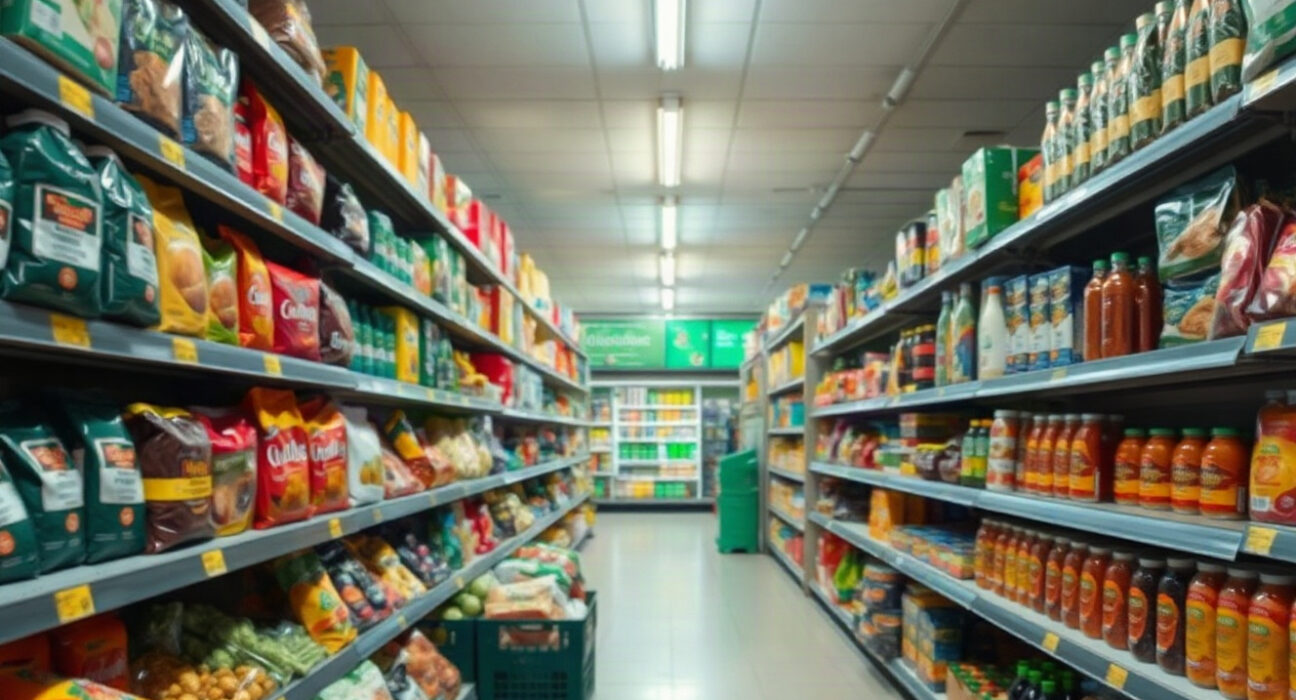
UK food prices have remained remarkably benign in recent months, providing a significant check on overall inflation and offering some relief to households and policymakers alike. According to the latest official data, the rate of food price growth has slowed considerably, with some items even seeing outright price falls. This trend is a key factor in the broader easing of consumer price inflation, which has fallen from multi-decade highs to a more manageable level.
Why Are Food Prices So Benign?
The moderation in food prices stems from a combination of factors, including improved global supply chains, lower energy costs, and a return to more normal agricultural output after a period of disruption. The war in Ukraine, which had sent grain and vegetable oil prices soaring, has had a diminishing impact as alternative supply routes have been established. Additionally, UK supermarkets have engaged in intense price competition, with major chains cutting prices on staple items to attract cost-conscious shoppers. This competitive pressure has helped to keep shelf prices down, even as some input costs remain elevated.
Impact on Inflation and the Economy
The benign food price environment has directly contributed to the slowdown in headline inflation, which fell to 3.4% in February 2024, down from a peak of 11.1% in October 2022. Food prices, which had been rising at double-digit rates in 2022 and early 2023, have now seen annual growth of just 2.5% in the latest reading. This has taken the pressure off the Bank of England, which has been grappling with high inflation and has now signaled that interest rate cuts may be on the horizon. For consumers, the easing of food price growth means that real wages are beginning to recover, as pay increases outpace the cost of essential goods. However, it is important to note that prices are still higher than they were two years ago, and many households continue to feel the pinch.
What This Means for Shoppers and Businesses
For shoppers, the moderation in food price inflation provides some breathing room in household budgets, though the cumulative effect of past price rises remains significant. For businesses, particularly those in the food and hospitality sectors, the easing of input costs is a welcome development, as it allows for more stable pricing and planning. However, the outlook is not without risks: geopolitical tensions, adverse weather events, and potential trade disruptions could quickly reverse the current trend. As such, while the current picture is benign, it is not guaranteed to persist.
Conclusion
In summary, the UK’s food prices have remained remarkably benign, helping to keep inflation in check and providing a measure of relief to consumers and the economy. While the trend is positive, it is underpinned by a fragile balance of global factors that could change. For now, the data suggests that the worst of the cost-of-living crisis may be behind us, but vigilance remains necessary.
FAQs
Q1: What is the current rate of UK food price inflation?
As of the latest data, UK food price inflation stands at 2.5% year-on-year, a significant drop from the double-digit rates seen in 2022 and early 2023.
Q2: How do benign food prices affect the Bank of England’s interest rate decisions?
Lower food price inflation reduces overall inflation, giving the Bank of England more room to consider cutting interest rates, which could stimulate economic growth.
Q3: Are food prices actually falling in the UK?
While the rate of increase has slowed, some individual items have seen price falls, but overall food prices remain higher than they were two years ago.
Disclaimer: The information provided is not trading advice, Bitcoinworld.co.in holds no liability for any investments made based on the information provided on this page. We strongly recommend independent research and/or consultation with a qualified professional before making any investment decisions.
