
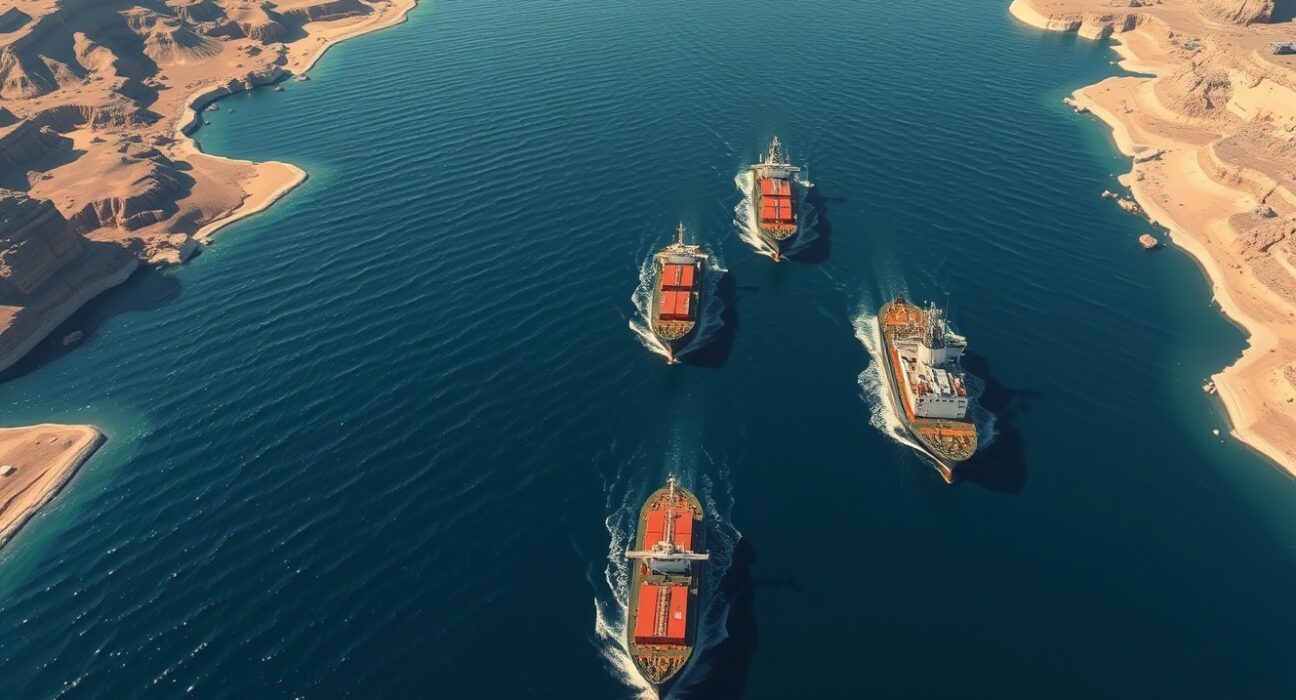
LONDON, UK – January 15, 2025: The United Kingdom’s government is actively developing a comprehensive strategy to reopen the Strait of Hormuz, Prime Minister Keir Starmer confirmed today. This critical maritime chokepoint carries approximately 21 million barrels of oil daily, representing nearly 21% of global petroleum consumption. Consequently, any disruption to this vital shipping lane triggers immediate concerns about energy security and international trade stability worldwide.
Strait of Hormuz: The World’s Most Critical Maritime Chokepoint
The Strait of Hormuz connects the Persian Gulf with the Gulf of Oman and the Arabian Sea. At its narrowest point, the waterway measures just 21 nautical miles wide. Furthermore, the navigable channel for large vessels reduces to only two miles in each direction. This geographical reality creates significant strategic vulnerability for global energy markets. Every day, tankers transport oil from major producers including Saudi Arabia, Iran, the UAE, Kuwait, and Iraq through these constrained waters.
Historically, the strait has experienced multiple periods of tension and conflict. For instance, during the 1980s Tanker War, over 500 commercial vessels suffered attacks. More recently, in 2019, several tankers experienced mining incidents and seizures. These events demonstrate the persistent security challenges in this region. The UK government’s plan therefore addresses both immediate safety concerns and long-term stability objectives.
UK Government’s Strategic Approach to Maritime Security
Prime Minister Starmer emphasized that the developing plan represents a “credible and multilateral” approach. The strategy reportedly involves several key components. First, diplomatic engagement with regional stakeholders forms the foundation. Second, enhanced naval coordination with international partners provides operational security. Third, economic measures support alternative shipping arrangements during disruptions.
The Royal Navy maintains a continuous presence in the region through Operation Kipion. This deployment includes Type 45 destroyers, Type 23 frigates, and minehunter vessels. Additionally, the UK participates in the International Maritime Security Construct (IMSC). This coalition coordinates maritime security efforts among nine nations. The new plan likely builds upon these existing frameworks while introducing additional protective measures.
Expert Analysis: Geopolitical and Economic Implications
Maritime security analysts highlight several critical considerations for any reopening strategy. Dr. Sarah Chen, Director of the Global Shipping Security Institute, explains, “The Strait of Hormuz represents not just a shipping lane but a complex geopolitical nexus. Any sustainable solution must address both security protocols and regional diplomatic relationships simultaneously.” She further notes that insurance premiums for vessels transiting the strait have increased by 300% during recent tensions.
The economic implications extend beyond oil markets. Global supply chains for consumer goods, electronics, and industrial components rely on predictable maritime transit. When the strait faces disruptions, shipping companies immediately reroute vessels around Africa’s Cape of Good Hope. This alternative adds approximately 15 days to transit times and increases fuel costs by 40%. Consequently, consumer prices experience upward pressure across multiple sectors.
Historical Context of Strait of Hormuz Tensions
The current situation follows a pattern of regional instability affecting this critical waterway. In 2021, Iran seized the South Korean-flagged tanker Hankuk Chemi. Similarly, in 2022, tensions escalated with drone attacks on commercial vessels. These incidents prompted coordinated international responses including increased naval patrols. The UK’s new plan appears designed to create more sustainable security arrangements beyond reactive military deployments.
Several factors contribute to the strait’s vulnerability. The geography naturally limits navigation options. Additionally, regional political tensions create persistent security risks. Furthermore, the high volume of traffic increases accident potential. The UK government’s approach must therefore address multiple overlapping challenges. International cooperation remains essential for any effective solution.
Global Energy Markets and Alternative Routes
Energy analysts monitor several potential alternatives to Strait of Hormuz transit. Pipeline networks represent the most developed option. Specifically, the East-West Pipeline across Saudi Arabia can transport 5 million barrels daily. Similarly, the Abu Dhabi Crude Oil Pipeline moves 1.5 million barrels to the Fujairah terminal. However, these alternatives cannot fully replace maritime transport capacity. Consequently, the strait remains indispensable for global energy flows.
The development of renewable energy sources may gradually reduce dependence on this chokepoint. Nevertheless, petroleum products will continue dominating global energy markets for decades. Therefore, securing the Strait of Hormuz remains a priority for economic stability. The UK’s plan contributes to broader international efforts maintaining open sea lanes. These efforts support the principle of freedom of navigation under international law.
Technological and Operational Security Measures
Modern maritime security incorporates advanced technological systems. Satellite monitoring provides continuous surveillance of vessel movements. Additionally, automated identification systems (AIS) track commercial shipping in real-time. Furthermore, unmanned surface vessels can patrol sensitive areas without risking personnel. The UK plan likely integrates these technological capabilities with traditional naval operations.
Operational coordination presents another challenge. Multiple national navies operate in confined waters. Clear communication protocols prevent accidental escalations. Standardized procedures for incident response ensure effective crisis management. The UK government emphasizes multilateral frameworks in its developing strategy. This approach recognizes that no single nation can secure the strait independently.
Regional Diplomacy and International Cooperation
Successful reopening requires engagement with all regional stakeholders. Iran controls the northern shoreline of the strait. Oman occupies the southern coast. Both nations possess legitimate security interests in adjacent waters. The UK government reportedly conducts diplomatic consultations with these and other regional partners. These discussions aim to establish shared security objectives and operational protocols.
International organizations provide additional coordination mechanisms. The International Maritime Organization (IMO) develops safety standards for global shipping. Similarly, the United Nations Convention on the Law of the Sea (UNCLOS) establishes legal frameworks for maritime transit. The UK plan aligns with these established international norms and institutions. This compliance strengthens the plan’s legitimacy and implementation prospects.
Conclusion
The UK government’s developing plan to reopen the Strait of Hormuz addresses critical global security and economic concerns. Prime Minister Starmer’s announcement signals serious commitment to maintaining this vital shipping lane. The strategy combines diplomatic engagement, multilateral coordination, and operational security measures. Successful implementation will support global energy stability and international trade flows. Consequently, the international community closely monitors these developments as they unfold throughout 2025.
FAQs
Q1: Why is the Strait of Hormuz so important for global trade?
The Strait of Hormuz serves as the world’s most critical oil transit chokepoint, carrying approximately 21% of global petroleum consumption daily. Additionally, it facilitates trade routes connecting Asian markets with Europe and Africa.
Q2: What specific measures might the UK plan include?
The plan likely involves enhanced naval coordination through existing frameworks like the IMSC, diplomatic engagement with regional stakeholders, technological surveillance systems, and standardized protocols for incident response among international partners.
Q3: How do shipping disruptions affect consumer prices?
When vessels reroute around Africa, transit times increase by approximately 15 days, raising fuel costs by 40%. These additional expenses translate into higher prices for petroleum products, consumer goods, and industrial components worldwide.
Q4: What alternatives exist to Strait of Hormuz transit?
Pipeline networks across Saudi Arabia and the UAE provide partial alternatives, transporting approximately 6.5 million barrels daily combined. However, these cannot replace maritime capacity, making the strait strategically indispensable.
Q5: How does international law protect freedom of navigation?
The United Nations Convention on the Law of the Sea (UNCLOS) establishes transit passage rights through international straits. This legal framework allows vessels innocent passage through territorial waters connecting high seas areas.
Disclaimer: The information provided is not trading advice, Bitcoinworld.co.in holds no liability for any investments made based on the information provided on this page. We strongly recommend independent research and/or consultation with a qualified professional before making any investment decisions.