

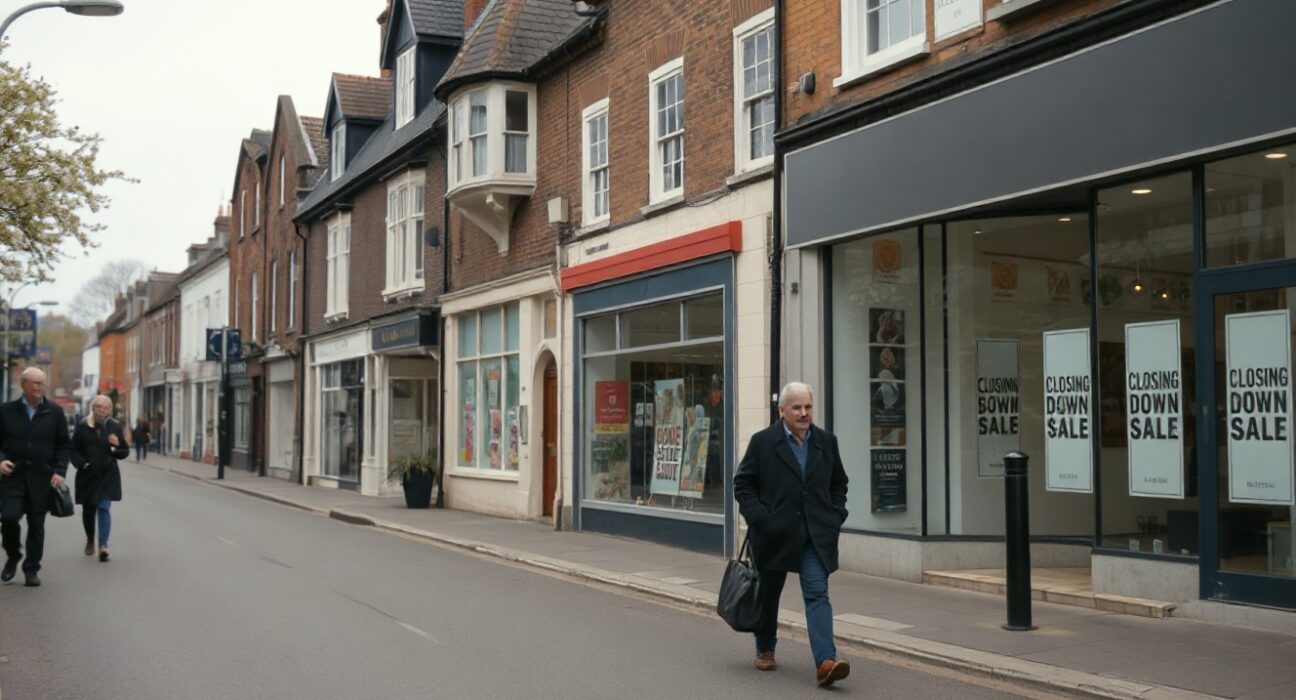
UK retail sales fell by 1.3% month-on-month in April, according to data released Friday by the Office for National Statistics (ONS), significantly undershooting the -0.6% consensus forecast and marking a sharp reversal from March’s revised 0.5% gain. The disappointing figures underscore deepening consumer caution amid persistent inflation and elevated borrowing costs.
Broad-Based Decline Across Sectors
The drop was widespread, with non-food stores, fuel sales, and online retail all contributing to the miss. Department stores and clothing retailers reported particularly weak footfall and transaction volumes. Analysts had anticipated a modest pullback after March’s rebound, but the magnitude of the decline caught markets off guard. The ONS noted that wet weather across much of the UK during April may have deterred shoppers, but underlying trends point to a more structural pullback in discretionary spending.
Implications for the Bank of England and Recession Risk
The data adds pressure on the Bank of England, which has held interest rates at 5.25% since August 2023. Consumer spending has been a key pillar of the UK economy, and its sudden weakening raises the probability of a technical recession in the second quarter. Financial markets reacted swiftly, with the pound dipping against the dollar and gilt yields falling as traders priced in a higher chance of rate cuts later this year. However, services inflation remains sticky, limiting the Bank’s room to ease policy aggressively.
What This Means for Households
For UK households, the retail sales miss signals that the cost-of-living crisis is far from over. Real wages have only recently begun to grow again, but savings buffers are depleted for many families. The combination of high mortgage rates, rising rents, and stubbornly high food and energy costs continues to squeeze disposable income. Until these pressures ease meaningfully, retail spending is likely to remain subdued.
Conclusion
April’s retail sales data is a clear warning that the UK economic recovery is fragile. The sharp miss against forecasts, broad-based nature of the decline, and deteriorating consumer sentiment all point to headwinds that may persist through the summer. Policymakers and investors alike will be watching May’s data closely for signs of stabilization or further deterioration.
FAQs
Q1: Why did UK retail sales fall so sharply in April?
A: The 1.3% monthly drop was driven by weak non-food store sales, lower fuel demand, and reduced online spending. Poor weather and ongoing cost-of-living pressures were key factors.
Q2: How does this affect the chance of a UK recession?
A: The weak retail data increases the risk of a technical recession (two consecutive quarters of negative GDP growth) in the first half of 2024, as consumer spending is a major component of economic output.
Q3: Will the Bank of England cut interest rates because of this?
A: Markets now expect rate cuts sooner, but the Bank of England is cautious. Sticky services inflation and wage growth may prevent cuts until later in 2024, even as the economy weakens.
Disclaimer: The information provided is not trading advice, Bitcoinworld.co.in holds no liability for any investments made based on the information provided on this page. We strongly recommend independent research and/or consultation with a qualified professional before making any investment decisions.
