

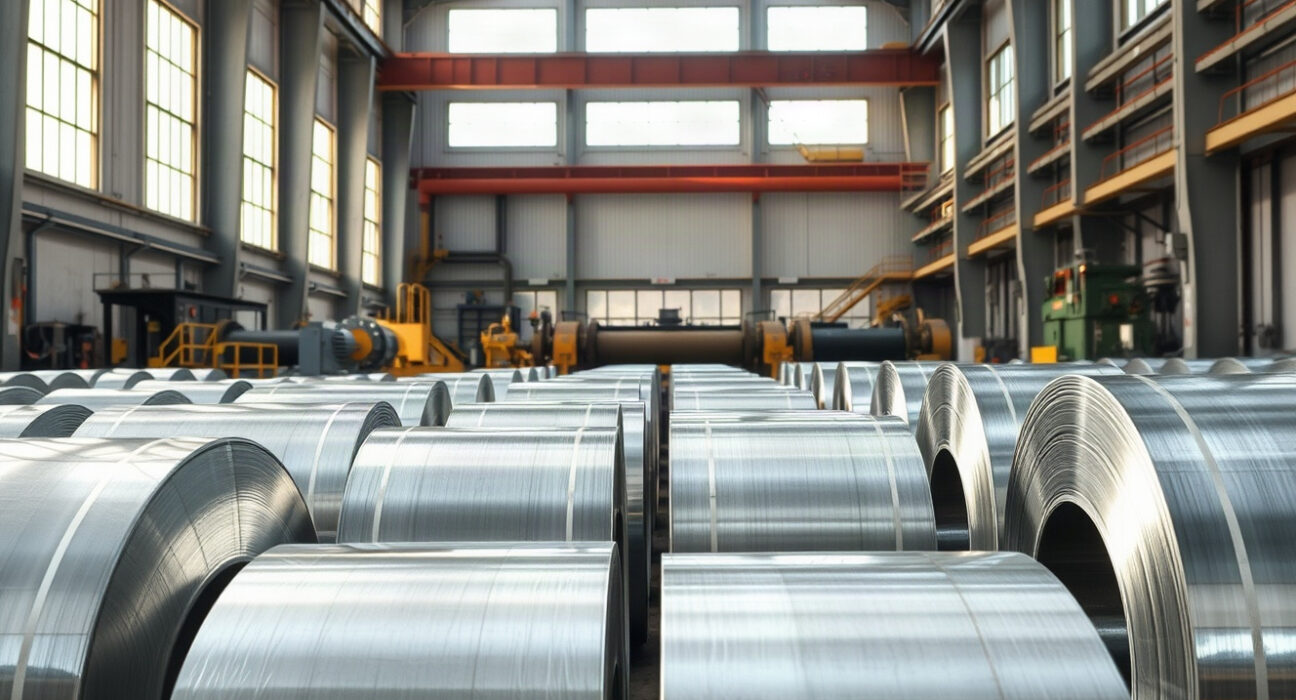
The US aluminium market is expected to remain tight through the coming quarters, even after the latest adjustments to tariff policies, as domestic supply constraints and steady demand continue to outweigh the impact of trade policy changes. As of early 2026, market participants report that the adjustments have not significantly loosened the supply-demand balance, keeping prices elevated and availability limited for downstream manufacturers.
What the Latest Tariff Changes Mean for Supply
The recent tariff adjustments, which were announced by the Office of the United States Trade Representative, modify certain exemptions and quota arrangements for imported aluminium products. However, these changes have not led to a substantial increase in inbound shipments, largely because global supply remains constrained and domestic smelting capacity has not expanded significantly. As a result, the overall supply picture remains tight, with inventories at major US warehouses hovering near multi-year lows.
Industry analysts point out that while the tariff tweaks may offer some relief for specific product categories, they do not address the fundamental structural issues, such as the high cost of energy and regulatory hurdles, that have kept domestic primary aluminium production well below historical peaks. Consequently, the market’s reliance on imports persists, but the availability of foreign metal is also limited by logistics bottlenecks and strong demand in other regions.
Demand Drivers and Sector Impact
Demand for aluminium in the US continues to be driven by the automotive, aerospace, and packaging sectors, all of which have maintained steady production levels despite broader economic uncertainties. The shift toward electric vehicles and lightweight materials has further underpinned consumption, as automakers increasingly use aluminium to improve fuel efficiency and battery range. This sustained demand, coupled with the supply constraints, has kept the market in a state of tightness that is likely to persist.
For manufacturers, the ongoing tightness translates into higher input costs and longer lead times for procurement. Some companies have begun to pass these costs through to consumers, which could have implications for inflation in goods ranging from vehicles to beverage cans. The situation underscores the delicate balance between trade policy, domestic industrial capacity, and the needs of end-users.
Why This Matters for the Broader Economy
The tight aluminium market is not just a concern for metal buyers; it has ripple effects across the US economy. Aluminium is a critical input for construction, transportation, and defense, and its price dynamics can influence everything from infrastructure project budgets to the cost of military equipment. Moreover, the persistent tightness may prompt further policy debates about strategic stockpiles and the need to bolster domestic production capacity.
Understanding these dynamics is essential for businesses that rely on aluminium, as well as for policymakers who must balance trade, industrial, and environmental objectives. The current situation highlights the complexities of global supply chains and the limits of tariff policy in addressing underlying supply constraints.
Conclusion
In summary, the US aluminium market remains tight despite the latest tariff adjustments, due to persistent supply limitations and robust demand. While the policy changes may offer marginal relief in specific segments, they do not resolve the fundamental imbalance. Businesses and policymakers should closely monitor these trends, as the tightness is likely to continue influencing prices and supply chains in the near term.
FAQs
Q1: What are the latest tariff changes on US aluminium imports?
The latest adjustments modify certain exemptions and quota arrangements for imported aluminium products, but they do not significantly increase overall import volumes.
Q2: Why is the US aluminium market still tight after the tariff changes?
The market remains tight because domestic smelting capacity is limited, global supply is constrained, and demand from key sectors like automotive and aerospace remains steady.
Q3: How does the tight aluminium market affect consumers?
Consumers may see higher prices for products that use aluminium, such as vehicles, beverage cans, and building materials, as manufacturers pass on increased input costs.
Disclaimer: The information provided is not trading advice, Bitcoinworld.co.in holds no liability for any investments made based on the information provided on this page. We strongly recommend independent research and/or consultation with a qualified professional before making any investment decisions.
