

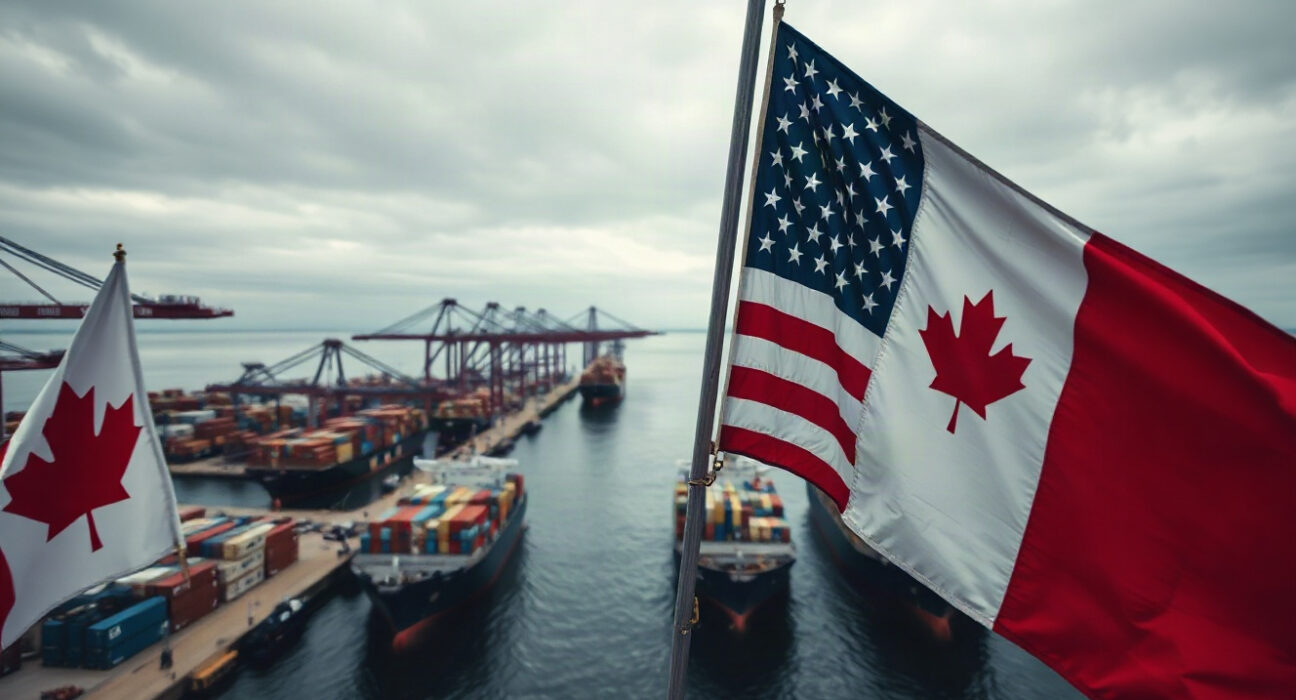
The United States and Canada are locked in an escalating trade war as new tariffs took effect this week, while Washington simultaneously tightens economic sanctions aimed at crippling Iran’s economy. The dual moves underscore the Biden administration’s aggressive use of trade and sanctions as tools of foreign policy, with significant implications for global markets and diplomatic relations.
US-Canada trade tensions reach new heights
The latest round of tariffs, imposed on Canadian steel and aluminum exports, marks a sharp escalation in the long-simmering dispute. Canada has retaliated with its own tariffs on US goods, including agricultural products and consumer goods, hitting key Republican constituencies. The trade war, which began under the previous administration, has now expanded to cover billions of dollars in goods, disrupting supply chains and raising costs for businesses and consumers on both sides of the border.
As of this week, the US has imposed a 25% tariff on steel and a 10% tariff on aluminum from Canada, citing national security concerns. Canada’s response includes tariffs on US products such as ketchup, whiskey, and orange juice, targeting states that are politically sensitive. Economists warn that the tit-for-tat measures could lead to higher prices for consumers and reduce competitiveness for manufacturers in both countries.
US sanctions on Iran: A new phase of economic pressure
In a separate but equally significant move, the US has announced new sanctions targeting Iran’s financial sector, including its central bank and major commercial banks. The sanctions aim to cut off Iran’s access to international financial systems, effectively choking its economy. The move follows the US withdrawal from the Iran nuclear deal in 2018 and the subsequent reimposition of sanctions, which have already crippled Iran’s oil exports and caused a severe economic downturn.
The latest sanctions target Iranian financial institutions that facilitate trade with other countries, particularly in Asia and Europe. The US has also warned that it will penalize foreign companies that do business with these entities. Iran’s economy, already suffering from inflation and unemployment, is expected to face further strain, potentially leading to social unrest and increased regional tensions.
Why these moves matter
These actions are not isolated incidents but part of a broader US strategy to use economic leverage to achieve foreign policy goals. The trade war with Canada, a close ally, underscores the administration’s willingness to pressure even friendly nations to protect US economic interests. Meanwhile, the sanctions on Iran reflect a continued commitment to containing Iran’s influence in the Middle East, even as diplomatic efforts to revive the nuclear deal remain stalled.
For businesses and investors, the implications are significant. Companies with cross-border operations in North America face increased costs and uncertainty, while those with exposure to Iran face legal and reputational risks. The moves also have geopolitical consequences, potentially straining alliances and prompting retaliatory measures from affected countries.
Conclusion
As the US escalates its trade war with Canada and tightens sanctions on Iran, the global economic landscape is becoming more fragmented and unpredictable. These actions reflect a strategic shift toward using economic tools as primary instruments of foreign policy, with far-reaching consequences for international trade, investment, and diplomacy. For now, the immediate impacts are being felt by businesses and consumers, but the long-term effects on global economic stability remain to be seen.
FAQs
Q1: What are the new tariffs in the US-Canada trade war?
As of this week, the US has imposed a 25% tariff on steel and a 10% tariff on aluminum from Canada, citing national security. Canada has retaliated with tariffs on US goods such as ketchup, whiskey, and orange juice.
Q2: How will the US sanctions on Iran affect its economy?
The sanctions target Iran’s financial sector, including its central bank and major commercial banks, cutting off access to international financial systems. This is expected to further strain Iran’s economy, which already suffers from inflation and unemployment, potentially leading to social unrest.
Q3: Why is the US taking these actions?
The US is using economic tools to achieve foreign policy goals: protecting domestic industries in the case of Canada, and containing Iran’s influence in the Middle East. These moves reflect a broader strategy of leveraging economic pressure to achieve diplomatic objectives.
Disclaimer: The information provided is not trading advice, Bitcoinworld.co.in holds no liability for any investments made based on the information provided on this page. We strongly recommend independent research and/or consultation with a qualified professional before making any investment decisions.
