

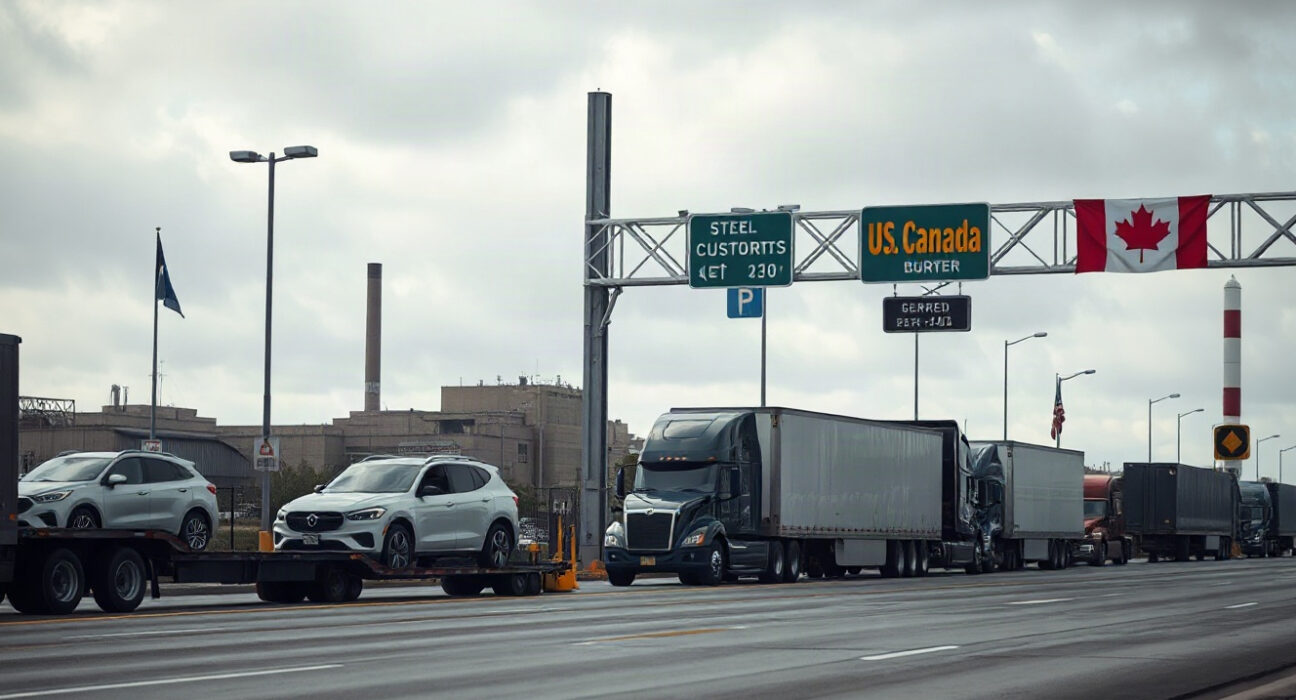
President Donald Trump announced new tariffs on Canadian automobiles, trucks, and steel on [Date], escalating trade tensions between the United States and its northern neighbor. The move, which targets key sectors of Canada’s economy, is expected to significantly impact cross-border trade and raise costs for manufacturers and consumers on both sides of the border.
What the Tariffs Cover
The tariffs impose a 25% levy on passenger vehicles, light trucks, and steel imports from Canada, according to the official announcement. The measures are set to take effect [Effective Date, if known, otherwise ‘in the coming weeks’], and are framed by the administration as a move to protect American manufacturing and reduce the trade deficit.
While the exact scope of products affected is still being clarified, the inclusion of steel and automobiles represents a significant expansion of the administration’s trade actions. These sectors are deeply integrated across the US-Canada border, with parts often crossing multiple times before final assembly.
Background and Context
The announcement follows months of renegotiation threats and reflects ongoing friction under the US-Mexico-Canada Agreement (USMCA). The administration has argued that Canada has not done enough to address trade imbalances, while Canadian officials have countered that the tariffs violate the spirit of the trade deal and will harm workers on both sides.
Canada is the largest export market for US-made vehicles, and the two countries share deeply integrated supply chains. According to industry data, nearly 90% of Canadian-built vehicles are exported to the US, making the sector particularly vulnerable to such tariffs.
Impact on Automakers and Consumers
The tariffs are likely to increase the cost of vehicles assembled in Canada, which include models from major automakers such as Ford, General Motors, and Stellantis. These costs may be passed on to consumers, potentially raising prices for popular models like the Chrysler Pacifica and Chevrolet Silverado.
Industry analysts warn that the tariffs could disrupt production schedules and lead to job losses in both countries. The automotive sector relies on just-in-time manufacturing, and any disruption to the flow of parts and vehicles can have cascading effects across the supply chain.
Reactions and Next Steps
Canadian Prime Minister Justin Trudeau has vowed to respond with retaliatory tariffs on US goods, a move that could escalate the trade war. The Canadian government has also signaled it may challenge the tariffs through the USMCA dispute resolution mechanism.
Meanwhile, US business groups have expressed concern over the potential economic fallout. The American Automotive Policy Council called the tariffs “a tax on American consumers” and urged the administration to reconsider. The move has also drawn criticism from some lawmakers, who warn of higher prices and supply chain disruptions.
Conclusion
The new tariffs on Canadian autos, trucks, and steel mark a significant escalation in US-Canada trade relations. While the administration frames them as a victory for American industry, the potential for higher consumer prices and supply chain disruptions makes this a high-stakes move with broad economic implications. As negotiations continue, businesses and consumers on both sides of the border will be watching closely.
FAQs
Q1: What goods are affected by the new tariffs?
The tariffs apply to passenger vehicles, light trucks, and steel imported from Canada. The exact list of products is expected to be detailed in the coming days.
Q2: When do the tariffs take effect?
The tariffs are scheduled to take effect in the coming weeks, though an exact date has not been confirmed. The administration has stated that the measures will be implemented “soon.”
Q3: How will this affect car prices in the US?
Consumers may see higher prices on models assembled in Canada, as automakers may pass the added tariff costs on to buyers. The impact could vary by brand and model.
Disclaimer: The information provided is not trading advice, Bitcoinworld.co.in holds no liability for any investments made based on the information provided on this page. We strongly recommend independent research and/or consultation with a qualified professional before making any investment decisions.
