

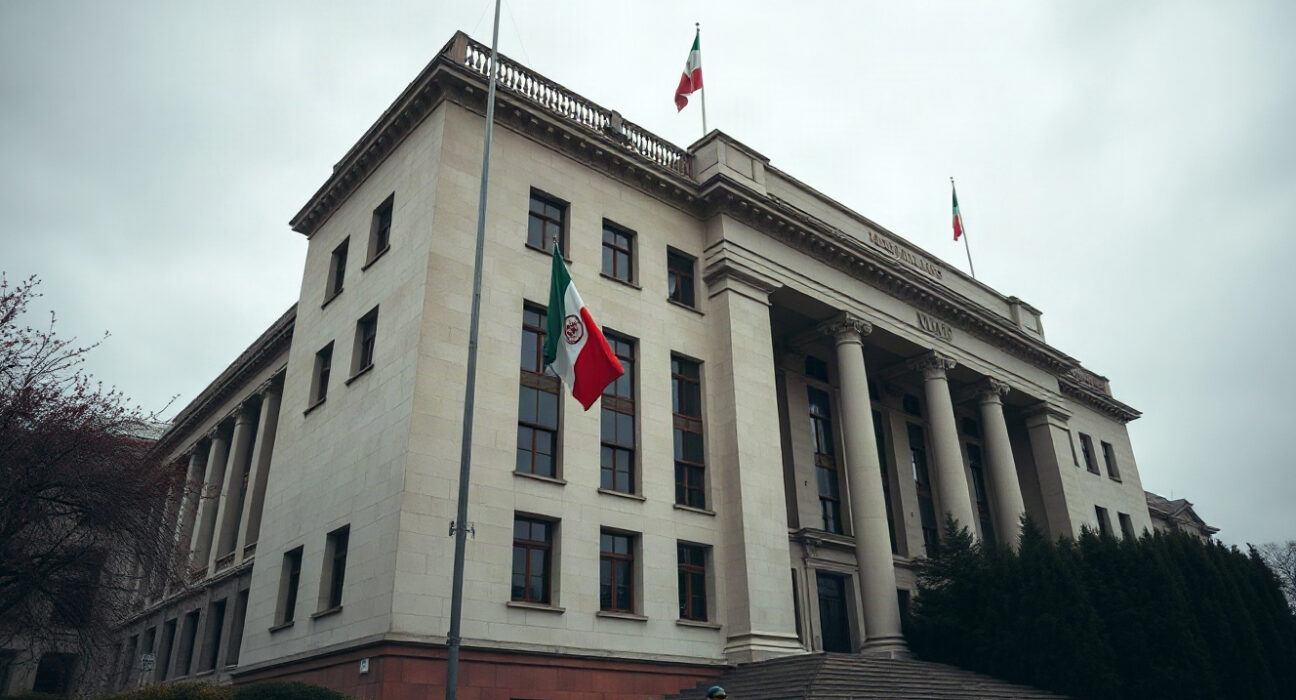
U.S. President Donald Trump said on Monday that Iran is in a state of “full collapse,” a sweeping characterization that comes amid heightened economic pressure and ongoing regional tensions. The remark, delivered during a White House meeting with reporters, reflects the administration’s stance on Tehran’s current vulnerabilities, though the claim remains difficult to verify independently.
Context of the Statement
Trump’s comments follow a period of intensified U.S. sanctions and diplomatic isolation targeting Iran’s economy and military activities. The Iranian rial has lost significant value against the dollar in recent months, and inflation remains high, according to data from the Central Bank of Iran. However, “full collapse” is a broad term that could refer to economic instability, political pressure, or a combination of both.
Iranian officials have consistently dismissed U.S. assessments of their country’s condition, calling them “psychological warfare.” In response to Trump’s latest remark, the Iranian foreign ministry spokesperson said the U.S. narrative is “wishful thinking” and reiterated that Iran continues to function normally despite external challenges.
Implications for Regional Stability
The statement carries weight beyond rhetoric. If Iran’s economic situation worsens, it could lead to increased domestic unrest, potentially affecting regional security dynamics. Iran remains a key player in Middle Eastern conflicts, including in Syria, Iraq, and Yemen, and its support for proxy groups continues to influence U.S. and allied military calculations.
Analysts note that the term “collapse” is often used in political discourse to pressure adversaries, but the reality on the ground is more nuanced. Iran’s leadership has shown resilience in past crises, and its strategic partnerships with Russia and China provide some economic buffers.
What Should Readers Understand?
For readers, the key takeaway is that Trump’s comment is a political statement, not a verified assessment. It signals the administration’s intent to project strength and potentially escalate pressure on Iran. However, without concrete evidence of systemic failure, “full collapse” remains an opinion rather than a fact.
Conclusion
President Trump’s claim that Iran is in “full collapse” underscores the tense state of U.S.-Iran relations. While Iran faces real economic difficulties, the extent of its vulnerability is subject to debate. Observers should watch for further official statements and economic indicators to gauge the accuracy of such claims.
FAQs
Q1: What did President Trump say about Iran?
He said Iran is in “full collapse,” a claim made during a White House press interaction.
Q2: Is Iran actually collapsing?
There is no independent verification of a full collapse. Iran faces economic challenges, but the situation is complex and not uniformly catastrophic.
Q3: How did Iran respond to the statement?
Iranian officials dismissed the remark as “wishful thinking” and insisted the country is managing its affairs.
Disclaimer: The information provided is not trading advice, Bitcoinworld.co.in holds no liability for any investments made based on the information provided on this page. We strongly recommend independent research and/or consultation with a qualified professional before making any investment decisions.
