

Economists and market analysts are bracing for an acceleration in the US Consumer Price Index (CPI) for May, driven primarily by the delayed pass-through of elevated crude oil prices into retail gasoline and broader consumer goods. The data, set for release next week, is expected to show that the recent rally in energy markets is now exerting measurable upward pressure on headline inflation, complicating the Federal Reserve’s policy outlook.
Oil’s Lagged Impact on Consumer Prices
Crude oil prices have climbed steadily since early spring, with West Texas Intermediate (WTI) crude hovering near $80 per barrel and Brent crude above $84. Historically, changes in oil prices take approximately four to six weeks to fully transmit through the supply chain to consumer-facing prices. The May CPI report captures this lagged effect, meaning the price increases seen at the pump in late April and early May will be reflected in the headline figure.
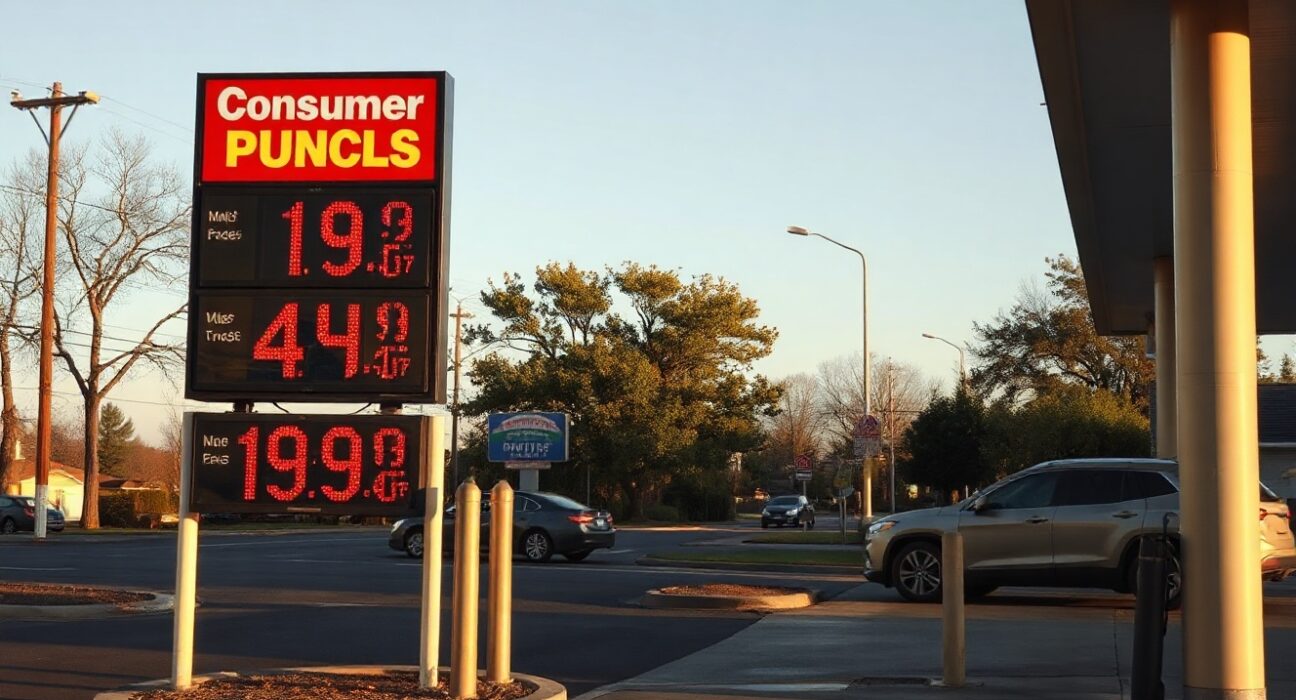
According to the Energy Information Administration (EIA), the average US retail gasoline price rose from $3.50 per gallon in mid-April to over $3.70 by late May. This 5.7% increase directly feeds into the transportation component of the CPI, which accounts for roughly 15% of the index. Beyond gasoline, higher energy costs ripple through production and distribution, affecting food, durable goods, and services.
Core vs. Headline: Diverging Signals
While headline CPI is expected to show a month-over-month increase of 0.3% to 0.4%, core CPI—which excludes volatile food and energy prices—is projected to remain more subdued. Analysts at major investment banks forecast core inflation to rise by 0.2% month-over-month, reflecting persistent but moderating price pressures in shelter, medical care, and other services.
This divergence between headline and core inflation is critical for the Federal Reserve. Chair Jerome Powell has repeatedly emphasized that the central bank focuses on core measures for underlying inflation trends. However, sustained headline acceleration could reignite public inflation expectations and complicate the Fed’s narrative that inflation is on a sustainable downward path.
Market Implications and Fed Policy
The May CPI data arrives at a sensitive moment for financial markets. The S&P 500 has retreated from recent highs amid renewed inflation fears, and bond yields have edged higher. A stronger-than-expected CPI print could push the 10-year Treasury yield above 4.5%, tightening financial conditions and weighing on equity valuations.
For the Federal Reserve, the data will influence the timing and magnitude of potential rate cuts later this year. Current market pricing implies a 60% probability of a quarter-point cut at the September meeting, but an upside CPI surprise could reduce those odds. Policymakers have stressed that they need to see a sustained pattern of declining inflation before easing monetary policy.
Consumer sentiment, already fragile, may face additional headwinds. The University of Michigan’s consumer sentiment index has declined in recent months, with rising prices cited as a primary concern. Higher gasoline costs act as a regressive tax, disproportionately affecting lower-income households and reducing discretionary spending.
Conclusion
The May CPI report is shaping up to be a pivotal data point for both the Federal Reserve and financial markets. The expected acceleration in headline inflation, driven by the lagged effects of higher oil prices, underscores the persistent challenge of taming inflation in an environment of volatile energy markets. While core inflation may show continued moderation, the headline figure will test the central bank’s patience and communication strategy. Investors and consumers alike will be watching closely for signs that the inflation battle is far from over.
FAQs
Q1: What is the US CPI and why does it matter?
The Consumer Price Index (CPI) measures the average change in prices paid by consumers for a basket of goods and services. It is the most widely used indicator of inflation and directly influences Federal Reserve monetary policy, interest rates, and household purchasing power.
Q2: How do oil prices affect CPI?
Oil prices impact CPI primarily through gasoline and transportation costs, which are direct components of the index. Higher oil prices also raise production and shipping costs for many goods, leading to broader price increases across the economy over time.
Q3: What is the difference between headline and core CPI?
Headline CPI includes all items, including volatile food and energy prices. Core CPI excludes food and energy to provide a clearer view of underlying inflation trends. The Federal Reserve typically focuses on core CPI for policy decisions.
Disclaimer: The information provided is not trading advice, Bitcoinworld.co.in holds no liability for any investments made based on the information provided on this page. We strongly recommend independent research and/or consultation with a qualified professional before making any investment decisions.
