

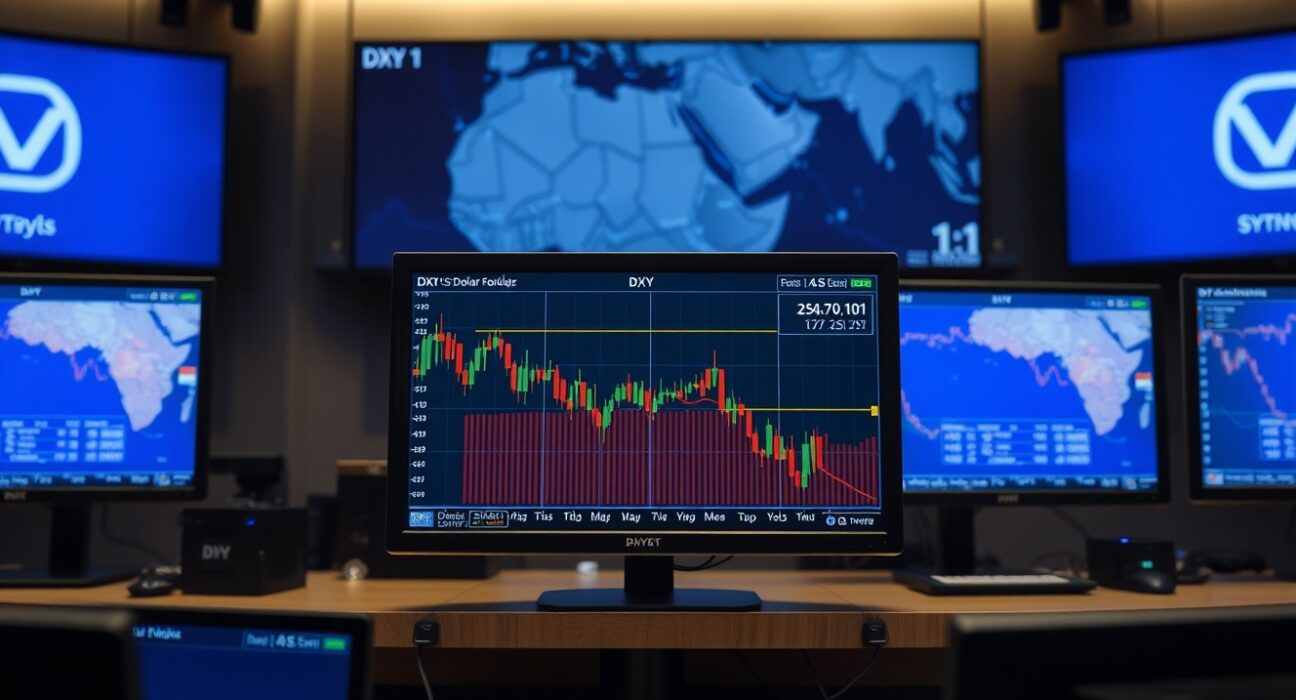
The United States Dollar Index (DXY) continues to trade below the key 101.00 level, caught between fading expectations of further Federal Reserve interest rate hikes and simmering geopolitical risks surrounding the Strait of Hormuz. The index, which measures the greenback against a basket of six major currencies, has struggled to regain upward momentum as market participants reassess the trajectory of US monetary policy.
Fed Rate Hike Bets Lose Steam
Recent economic data, including softer-than-expected inflation figures and a cooling labor market, has led traders to dial back bets on additional rate increases from the Federal Reserve. The CME FedWatch Tool now indicates a growing probability that the central bank will hold rates steady at its next meeting, with some analysts even pricing in the possibility of a rate cut by early next year. This shift in expectations has weighed on the dollar, as lower interest rates typically reduce the currency’s appeal to yield-seeking investors.
Geopolitical Tensions Provide a Floor
While the dovish Fed outlook has pressured the dollar, escalating tensions in the Middle East—particularly concerning the Strait of Hormuz—have prevented a sharper decline. The strait, a critical chokepoint for global oil shipments, has seen increased military posturing in recent weeks. Any disruption to tanker traffic through the waterway could spike energy prices and fuel global inflation, a scenario that traditionally benefits the dollar as a safe-haven asset. This geopolitical risk is providing a floor under the DXY, preventing a decisive breakdown below the 100.50 support level.
What This Means for Traders and Investors
The current dynamic creates a challenging environment for currency traders. The dollar is being pulled in two opposing directions: a fundamental headwind from a less hawkish Fed and a tailwind from geopolitical uncertainty. For investors with exposure to US assets, the key question is which force will dominate in the coming weeks. A clear resolution of the Hormuz situation could trigger a dollar sell-off, while any escalation would likely see a sharp, if temporary, rally in the greenback. The DXY’s ability to hold above 100.00 is seen as a critical technical test.
Conclusion
The US Dollar Index’s position below 101.00 reflects a market in flux. The fading of Fed rate hike bets is a clear negative for the currency, but the persistent geopolitical risks from the Hormuz Strait are providing a counterbalance. For now, the dollar remains range-bound, with traders awaiting clearer signals from either central bank rhetoric or developments in the Middle East to determine the next directional move.
FAQs
Q1: What is the US Dollar Index (DXY)?
The US Dollar Index (DXY) measures the value of the US dollar relative to a basket of six major foreign currencies: the euro, Japanese yen, British pound, Canadian dollar, Swedish krona, and Swiss franc. It is a widely used benchmark for the dollar’s overall strength.
Q2: How do Federal Reserve rate hike expectations affect the dollar?
When the Fed is expected to raise interest rates, the dollar typically strengthens because higher rates attract foreign investment seeking better returns. Conversely, when rate hike bets fade, the dollar often weakens as the yield advantage diminishes.
Q3: Why is the Strait of Hormuz important for the dollar?
The Strait of Hormuz is a vital oil transit route. Tensions there can disrupt oil supplies, leading to higher energy prices. This can create economic uncertainty, which often drives investors toward safe-haven assets like the US dollar, providing temporary support even when other factors are bearish.
Disclaimer: The information provided is not trading advice, Bitcoinworld.co.in holds no liability for any investments made based on the information provided on this page. We strongly recommend independent research and/or consultation with a qualified professional before making any investment decisions.
