

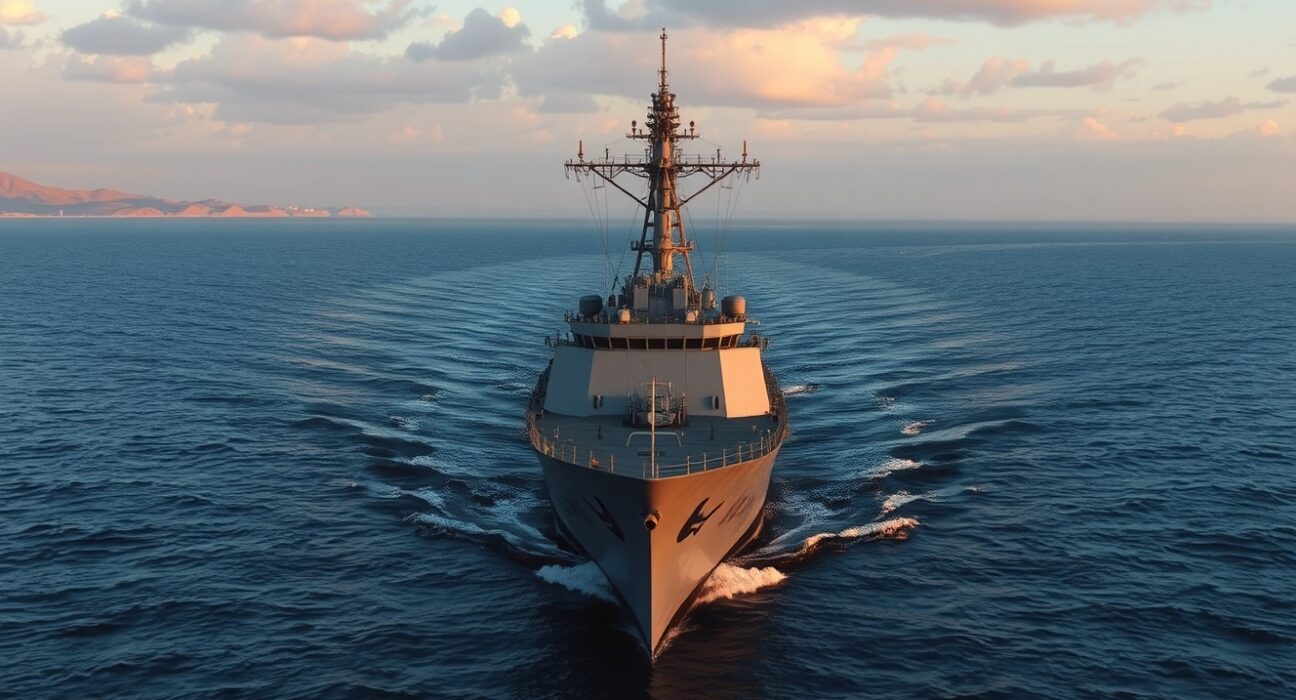
WASHINGTON, D.C. – March 15, 2025 – The US Dollar Index (DXY) demonstrated remarkable resilience in Friday’s trading session, holding firm above the 105.00 psychological level despite escalating geopolitical friction. This stability follows confirmation that a United States naval blockade in the Strait of Hormuz has effectively undermined ongoing negotiations to extend a fragile ceasefire with Iran. Consequently, market participants are now pricing in a prolonged period of regional uncertainty, which traditionally bolsters demand for the world’s primary reserve currency.
US Dollar Index Holds Firm Amid Geopolitical Escalation
Currency markets reacted with measured tension to the latest developments. The DXY, which tracks the dollar against a basket of six major currencies, traded within a narrow band. It showed minimal reaction to the immediate news, a phenomenon analysts attribute to the market’s prior anticipation of deteriorating relations. However, the underlying bid for dollar safety remains robust. This situation creates a complex dynamic for global finance.
Several key factors are supporting the dollar’s position. First, investors consistently flock to the US dollar during periods of international crisis. Second, the Federal Reserve’s current monetary policy stance, focused on controlling inflation, provides fundamental support. Third, the direct involvement of US military assets introduces a tangible risk premium. Market data from the Chicago Mercantile Exchange shows a notable increase in long-dollar futures positions.
Expert Analysis on Currency Market Sentiment
“The market is treating this as a confirmation of existing risks, not a new shock,” noted Dr. Anya Sharma, Chief Strategist at Global Macro Advisors. “The dollar’s strength isn’t about the blockade itself, but what it signals: a higher likelihood of protracted instability that disrupts global trade flows. When shipping lanes are threatened, dollar liquidity becomes paramount.” Sharma’s analysis, backed by two decades of experience in crisis markets, highlights the index’s role as a global barometer.
Background: The Fragile Iran Ceasefire and Its Demise
The now-jeopardized ceasefire, initially brokered in late 2024, aimed to de-escalate tensions following a series of incidents in the Gulf. Key provisions included a temporary halt to certain uranium enrichment activities and a reduction in proxy group attacks on maritime traffic. International observers from the United Nations had reported tentative compliance from all sides in the weeks leading up to the extension deadline. The potential extension was seen as a critical bridge to more permanent diplomatic talks.
The breakdown timeline is crucial for understanding the market’s calibrated response:
- February 28: Ceasefire extension talks commence in Muscat, Oman.
- March 10: US intelligence reports suggest Iranian weapons transfers violating ceasefire terms.
- March 12: The US Navy announces a “maritime security patrol” in the Strait of Hormuz.
- March 14: Iranian officials declare the patrol a “blockade” and suspend all extension discussions.
This sequence shows a rapid escalation from diplomatic channels to military posturing. The US Department of Defense maintains its deployment is a defensive measure to ensure freedom of navigation. However, the Iranian interpretation has effectively collapsed the negotiation process.
Economic and Market Impacts Beyond the Dollar
The ramifications of this geopolitical shift extend far beyond the forex market. The Strait of Hormuz is a chokepoint for approximately 20-30% of global seaborne oil trade. Any sustained threat to transit immediately influences energy markets. Brent crude futures surged over 4% on the news, breaching the $90 per barrel mark. This price spike introduces fresh inflationary pressures worldwide, complicating central bank policies.
Other affected asset classes include:
- Safe-Haven Assets: Gold and US Treasury yields both saw increased buying interest.
- Regional Equities: Stock markets in the Gulf Cooperation Council (GCC) states experienced moderate sell-offs.
- Global Trade: Shipping insurance premiums for the region, known as war risk premiums, are expected to rise sharply.
The interconnected nature of modern finance means a shock in one region transmits quickly. For instance, higher oil prices can slow economic growth in Europe and Asia, which in turn affects their currencies against the dollar, further supporting the DXY.
Historical Context and Precedent
This is not the first time Gulf tensions have influenced the dollar index. Analysts often reference the 2019-2020 period, when attacks on tankers and the assassination of Qasem Soleimani caused similar market dynamics. During that episode, the DXY also exhibited short-term strength. However, the current macroeconomic backdrop is distinct, with higher global interest rates and persistent inflation. Therefore, the dollar’s rally may prove more durable if the crisis deepens, according to historical data from the Federal Reserve Bank of St. Louis.
Future Scenarios and Strategic Implications
The immediate future hinges on the actions of both Washington and Tehran. Diplomatic off-ramps remain theoretically possible but appear increasingly narrow. The US administration faces pressure to demonstrate resolve without triggering a wider conflict. Meanwhile, Iran’s economic situation, under longstanding sanctions, limits its capacity for a prolonged standoff. This delicate balance of power is what markets are attempting to price.
Strategic implications for investors and policymakers are significant. Portfolio managers are likely increasing their dollar hedges. Central banks in oil-importing nations may need to reassess their inflation forecasts. Furthermore, the stability of the global petrodollar system, which reinforces dollar demand, is once again under scrutiny. A prolonged disruption could accelerate discussions about alternative currency arrangements for energy trade, though such a shift would be measured in years, not months.
Conclusion
The US Dollar Index’s firm stance is a direct reflection of heightened global risk perception. The US naval blockade and the subsequent undermining of the Iran ceasefire extension have created a classic flight-to-safety environment. While the immediate move in the DXY has been contained, the underlying support is strong. The situation underscores the dollar’s enduring role as the world’s premier safe-haven currency during geopolitical storms. Market participants will now closely monitor for any de-escalation or, conversely, further military or economic actions that could dictate the next major move for the US Dollar Index and global financial stability.
FAQs
Q1: What is the US Dollar Index (DXY)?
The US Dollar Index is a measure of the value of the United States dollar relative to a basket of six major world currencies: the Euro, Japanese Yen, British Pound, Canadian Dollar, Swedish Krona, and Swiss Franc. It provides a general indicator of the dollar’s international strength.
Q2: Why would a geopolitical crisis make the US dollar stronger?
During international crises, investors seek assets perceived as safe and liquid. The US dollar, backed by the world’s largest economy and deepest financial markets, is the primary global safe-haven currency. Increased demand for dollar-denominated assets like US Treasuries pushes its value higher.
Q3: How does a naval blockade affect financial markets?
A naval blockade in a critical shipping lane like the Strait of Hormuz threatens global oil supply. This raises oil prices, stokes inflation fears, and disrupts trade finance. Markets react by pricing in higher risk, leading to volatility in energy, currency, and equity markets while boosting demand for safe havens.
Q4: What are the broader economic consequences of this event?
Beyond currency markets, consequences include higher global energy costs, increased shipping and insurance expenses, potential supply chain delays, and heightened uncertainty for business investment. This can slow economic growth and complicate monetary policy for central banks worldwide.
Q5: Could this situation impact the average consumer?
Yes, indirectly. Higher oil prices typically lead to increased costs for gasoline, air travel, and goods transportation. This can contribute to broader inflation, potentially affecting the price of everyday goods and services, depending on the duration and severity of the crisis.
Disclaimer: The information provided is not trading advice, Bitcoinworld.co.in holds no liability for any investments made based on the information provided on this page. We strongly recommend independent research and/or consultation with a qualified professional before making any investment decisions.
