

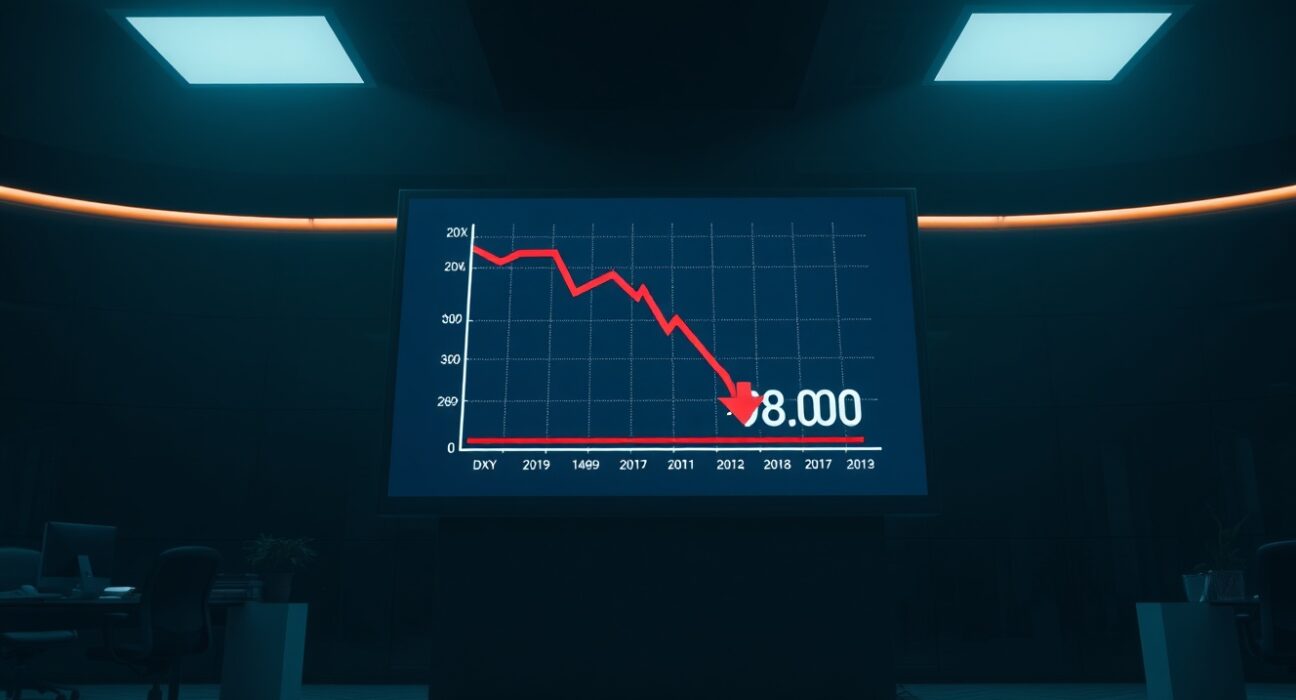
The US Dollar Index (DXY) edged lower in early trading on Thursday, slipping toward the 98.00 mark as renewed geopolitical tensions between the United States and Iran showed signs of de-escalation. The dollar, which had strengthened earlier in the week on safe-haven buying, gave back gains as diplomatic channels appeared to reopen and market participants reassessed the likelihood of a broader conflict.
Geopolitical Developments Drive Dollar Pullback
The index, which measures the greenback against a basket of six major currencies, fell approximately 0.3% to trade near 98.10 during the Asian session. The move lower followed reports that both Washington and Tehran had signaled a willingness to return to indirect negotiations, reducing the immediate risk of military escalation in the region. Oil prices also retreated from recent highs, further dampening demand for the dollar as a safe-haven asset.
Analysts noted that the dollar’s decline was relatively contained, as the broader macroeconomic picture remains supportive of the greenback. The Federal Reserve’s hawkish stance, coupled with resilient US economic data, continues to underpin the currency. However, the short-term reaction underscores how sensitive the dollar has become to shifts in geopolitical risk perception.
Market Reaction and Broader Implications
The euro and Japanese yen both gained against the dollar on the day, with EUR/USD climbing back above 1.0850 and USD/JPY dipping below 149.50. The British pound also edged higher, recovering from earlier losses. Emerging market currencies, particularly those in the Middle East, saw a modest relief rally as the prospect of a prolonged confrontation faded.
For investors, the key takeaway is that the dollar’s safe-haven premium remains fragile and subject to rapid unwinding. The 98.00 level is now a critical psychological support zone for the DXY. A sustained break below this threshold could signal further downside, particularly if geopolitical tensions continue to ease or if the Fed signals a less aggressive tightening path.
What This Means for Traders
Currency traders are closely watching the 98.00 handle. A close below this level on a daily basis would likely trigger stop-loss orders and accelerate selling pressure. Conversely, a rebound from this support would reaffirm the dollar’s underlying strength, especially if driven by hawkish Fed commentary or stronger-than-expected US economic data.
The situation remains fluid. While de-escalation is positive for risk sentiment, any new flare-up in rhetoric or military activity could quickly reverse the dollar’s decline. Traders should remain nimble and monitor headlines from the Middle East alongside US economic releases.
Conclusion
The US Dollar Index’s slip toward 98.00 reflects a market adjusting to a less confrontational US-Iran dynamic. While the dollar’s safe-haven appeal has diminished in the short term, the broader trend will depend on whether geopolitical calm holds and how the Fed navigates its monetary policy path. For now, the 98.00 level serves as a key battleground for bulls and bears alike.
FAQs
Q1: Why did the US Dollar Index fall?
The index fell as US-Iran tensions de-escalated, reducing safe-haven demand for the dollar. Reports of potential negotiations prompted investors to rotate into riskier assets, weighing on the greenback.
Q2: What is the significance of the 98.00 level?
The 98.00 mark is a major psychological support level for the US Dollar Index. A sustained break below it could signal further downside, while a bounce would reaffirm the dollar’s underlying strength.
Q3: How does US-Iran tension affect currency markets?
Geopolitical tensions typically boost safe-haven currencies like the US dollar, Japanese yen, and Swiss franc. De-escalation tends to weaken these currencies as investors move toward higher-yielding or risk-sensitive assets.
Disclaimer: The information provided is not trading advice, Bitcoinworld.co.in holds no liability for any investments made based on the information provided on this page. We strongly recommend independent research and/or consultation with a qualified professional before making any investment decisions.
