

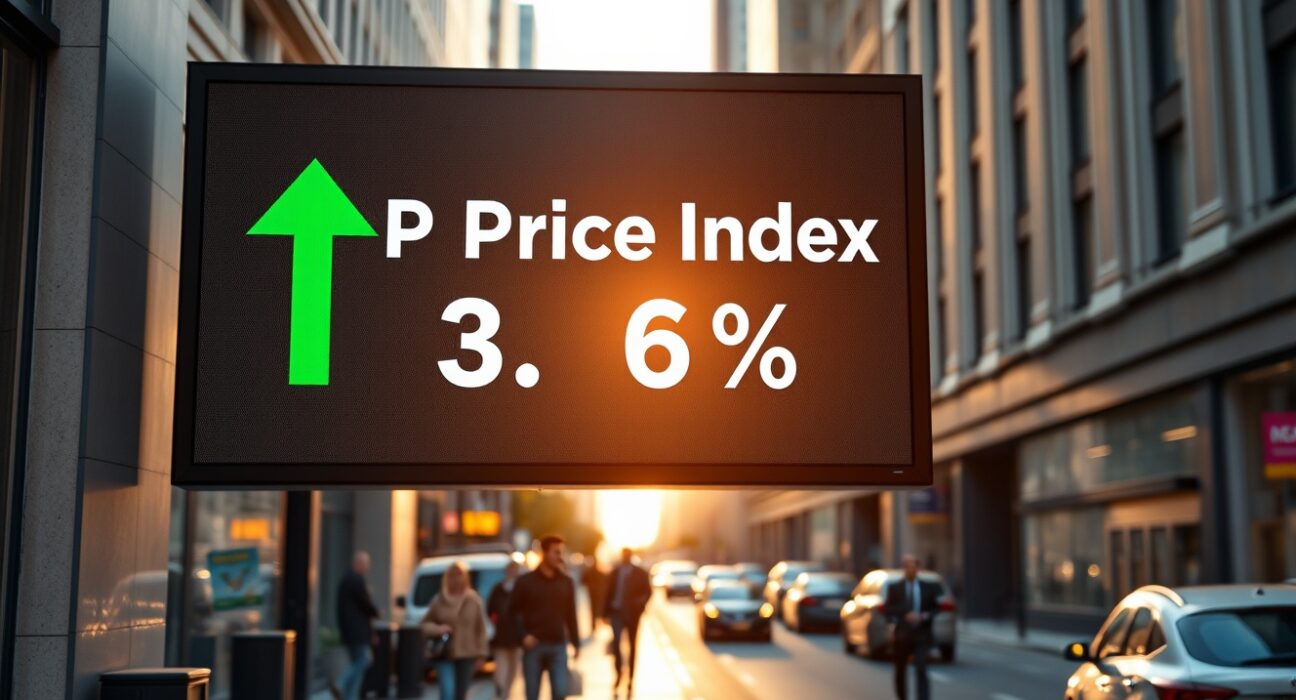
The U.S. Gross Domestic Product (GDP) price index rose to 3.6% in the first quarter of 2024, exceeding the market consensus of 3.5%. This measure of inflation within the broader economy signals that price pressures remain elevated, even as other indicators have shown signs of cooling.
Understanding the GDP Price Index
The GDP price index, also known as the implicit price deflator, measures the changes in prices for all goods and services produced within the United States. Unlike the Consumer Price Index (CPI), which focuses on a fixed basket of consumer goods, the GDP price index captures a wider range of economic activity, including investment and government spending. A reading above expectations suggests that inflationary pressures are more persistent than previously estimated.
Implications for Monetary Policy
The higher-than-expected reading provides the Federal Reserve with additional data as it considers the timing and magnitude of potential interest rate adjustments. While the Fed has signaled a cautious approach to easing monetary policy, a sustained elevation in the GDP price index could reinforce a more hawkish stance. Market participants will now closely monitor upcoming personal consumption expenditures (PCE) data for further confirmation of inflation trends.
Market and Consumer Impact
For financial markets, the data introduces a degree of uncertainty. Bond yields may rise as traders price in a higher-for-longer interest rate environment. For consumers and businesses, persistent price increases mean that borrowing costs for mortgages, auto loans, and corporate expansion could remain elevated for an extended period. This dynamic could influence spending and investment decisions in the coming quarters.
Conclusion
The Q1 GDP price index reading of 3.6% provides a clear signal that the U.S. economy is still contending with above-target inflation. While the economy continues to grow, this data point will be a key factor in the Federal Reserve’s policy deliberations. The divergence between this index and other inflation measures underscores the complexity of the current economic landscape.
FAQs
Q1: What is the GDP price index?
The GDP price index is a broad measure of inflation that tracks price changes across all sectors of the U.S. economy, including consumer spending, investment, and government purchases.
Q2: How does the GDP price index differ from CPI?
While CPI measures price changes from the consumer’s perspective using a fixed basket of goods, the GDP price index covers a wider range of economic activity and adjusts for changes in the composition of output.
Q3: Why does a higher GDP price index matter for the average person?
A higher index suggests broader inflationary pressure, which can lead to higher interest rates, affecting mortgage rates, credit card APRs, and the cost of financing large purchases.
Disclaimer: The information provided is not trading advice, Bitcoinworld.co.in holds no liability for any investments made based on the information provided on this page. We strongly recommend independent research and/or consultation with a qualified professional before making any investment decisions.
