

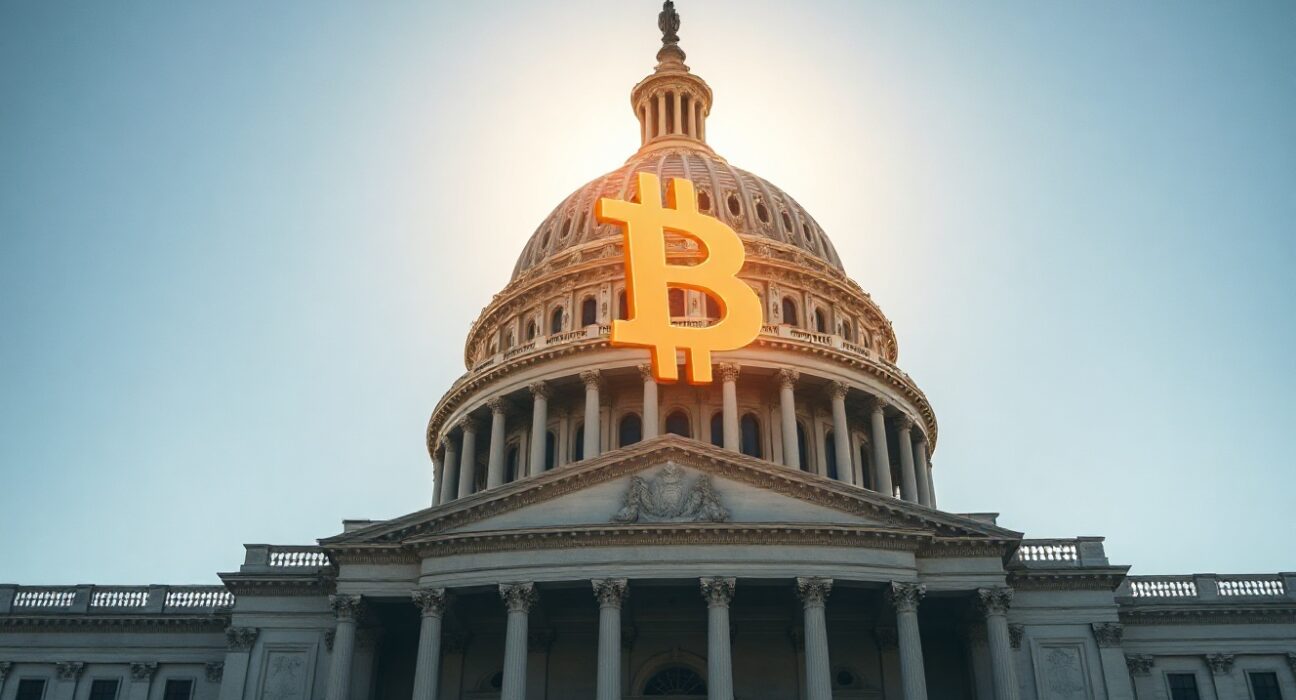
On May 21, Representative Nicholas Begich of Alaska introduced H.R.8957, the Modernizing America’s Reserve Assets Act (ARMA), a bill that would establish a national Bitcoin reserve using digital assets seized through criminal and civil forfeiture proceedings. The full text, now published on the official U.S. Congress website, outlines a framework for the Treasury Department to hold Bitcoin for a minimum of 20 years, with strict oversight and transparency measures.
Core Provisions of the ARMA Bill
The legislation mandates that Bitcoin obtained through forfeitures be transferred into a strategic reserve and held for at least two decades. During this period, sales or disposals are prohibited. To ensure accountability, the bill requires quarterly proof-of-reserves reports and independent third-party audits. State governments may also voluntarily deposit Bitcoin into separate accounts within the Federal Reserve system, expanding participation beyond the federal level.
A key forward-looking provision directs the Treasury and Commerce Departments to jointly study methods for increasing the nation’s Bitcoin holdings within 180 days, without requiring additional appropriations. Potential avenues include converting non-Bitcoin digital assets, using forfeited assets, accepting voluntary donations, leveraging tax or tariff revenue, or utilizing Federal Reserve or gold certificate mechanisms.
Comparison with Previous Legislation
Analysts have noted that ARMA is more measured than the earlier ‘BITCOIN Act,’ which proposed the purchase of one million Bitcoin. The new bill focuses on existing government-held assets rather than active market purchases, which observers believe improves its political feasibility. However, the bill leaves the door open for future federal Bitcoin acquisitions, as the mandated study could recommend buying more coins.
Handling of Forks and Airdrops
The bill also addresses digital assets resulting from hard forks or airdrops on government-managed addresses. These would be subject to a five-year sales ban. After that period, their market value would be assessed, with only the most valuable mainstream asset retained and the remainder sold, with proceeds directed to the Treasury.
Why This Matters
If enacted, ARMA would mark a significant shift in U.S. government policy toward digital assets, moving from passive seizure and auction to long-term strategic holding. The bill’s emphasis on transparency and independent auditing could set a precedent for how sovereign entities manage cryptocurrency reserves. For the cryptocurrency market, the prospect of a federal Bitcoin reserve adds a layer of institutional legitimacy, though the 20-year lock-up period means immediate market impact would be limited.
Conclusion
H.R.8957 represents a pragmatic step toward integrating Bitcoin into U.S. reserve asset strategy, focusing on existing forfeited holdings rather than new purchases. While its path through the House Financial Services Committee remains uncertain, the bill signals growing congressional interest in digital assets as a component of national financial strategy.
FAQs
Q1: What is the main goal of the ARMA bill?
The bill aims to create a strategic Bitcoin reserve using digital assets seized through criminal and civil forfeitures, with a mandatory 20-year holding period and quarterly proof-of-reserves audits.
Q2: Does the bill authorize the government to buy Bitcoin on the open market?
No, the bill does not authorize immediate purchases. It requires a study within 180 days to explore potential methods for increasing Bitcoin holdings, which could include future purchases.
Q3: How does ARMA differ from the earlier BITCOIN Act?
The BITCOIN Act proposed purchasing one million Bitcoin, while ARMA focuses on managing already-seized assets. Analysts consider ARMA more politically feasible due to its more moderate approach.
Disclaimer: The information provided is not trading advice, Bitcoinworld.co.in holds no liability for any investments made based on the information provided on this page. We strongly recommend independent research and/or consultation with a qualified professional before making any investment decisions.
