

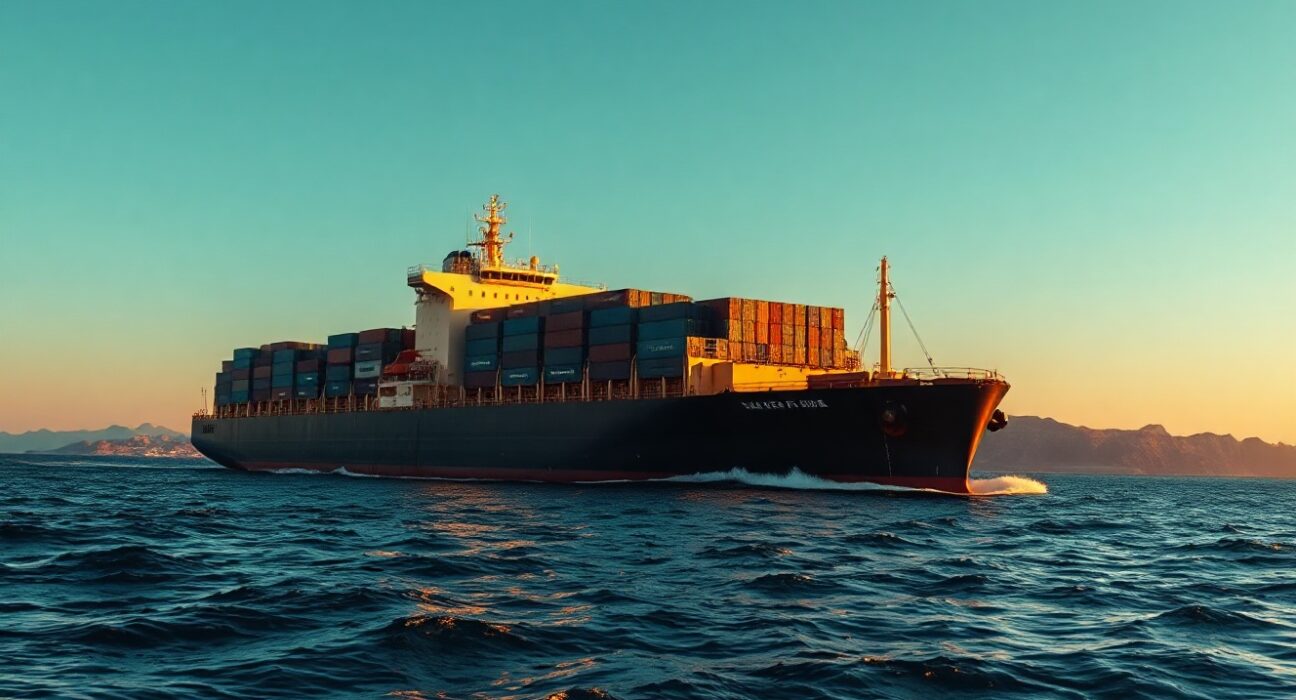
The United States and Iran have agreed to extend their ceasefire for an additional 60 days, a move that officially reopens the strategically vital Strait of Hormuz to international shipping. The initial agreement, reached in early April, had temporarily eased tensions in one of the world’s most critical maritime chokepoints. The extension, first reported by Nikkei, signals a continued de-escalation between the two nations and provides immediate relief for global energy markets and supply chains.
Background of the Agreement
The original ceasefire, brokered through indirect talks in early April, came after months of heightened military posturing in the Persian Gulf. The Strait of Hormuz, a narrow passage between Oman and Iran, handles approximately 20% of the world’s oil transit. Any disruption to shipping through this route has historically caused sharp spikes in crude oil prices and threatened global economic stability. The initial 30-day pause allowed for the safe passage of commercial vessels, and the new 60-day extension aims to provide a more sustained period of stability.
Implications for Global Shipping and Energy Markets
The reopening of the Strait of Hormuz to all nations removes an immediate risk premium from oil prices. Analysts had warned that a prolonged closure could have pushed Brent crude above $100 per barrel. With the ceasefire extension, shipping insurers are expected to lower war-risk premiums for vessels transiting the region, reducing operational costs for tanker operators and import-dependent economies. Japan, South Korea, India, and China — all major importers of Middle Eastern crude — stand to benefit directly from the restored flow of energy supplies.
Regional Stability and Diplomatic Prospects
While the extension is a positive development, the underlying tensions between Washington and Tehran remain unresolved. The ceasefire does not address broader disagreements over Iran’s nuclear program, sanctions relief, or regional proxy conflicts. However, the extension creates a diplomatic window for further negotiations. The Biden administration has indicated a willingness to explore broader talks, while Iran has signaled interest in reducing economic pressure. The 60-day timeline provides both sides with breathing room to assess next steps without the immediate threat of military escalation.
Conclusion
The US-Iran ceasefire extension represents a tangible step toward reducing geopolitical risk in the Middle East. By ensuring the free and safe passage of ships through the Strait of Hormuz, the agreement supports global energy security and stabilizes supply chains that were under significant strain. While the long-term outlook remains uncertain, the immediate effect is a calmer maritime environment and more predictable conditions for international trade.
FAQs
Q1: What is the Strait of Hormuz and why is it important?
The Strait of Hormuz is a narrow waterway between the Persian Gulf and the Gulf of Oman. It is a critical chokepoint for global oil shipments, with about 20% of the world’s petroleum passing through it daily.
Q2: How long is the ceasefire extension?
The ceasefire has been extended for 60 days, building on an initial 30-day agreement reached in early April.
Q3: Does this ceasefire resolve broader US-Iran tensions?
No. The ceasefire is limited to maritime security and the reopening of the Strait of Hormuz. Major disputes over Iran’s nuclear program, sanctions, and regional influence remain unresolved.
Disclaimer: The information provided is not trading advice, Bitcoinworld.co.in holds no liability for any investments made based on the information provided on this page. We strongly recommend independent research and/or consultation with a qualified professional before making any investment decisions.
