

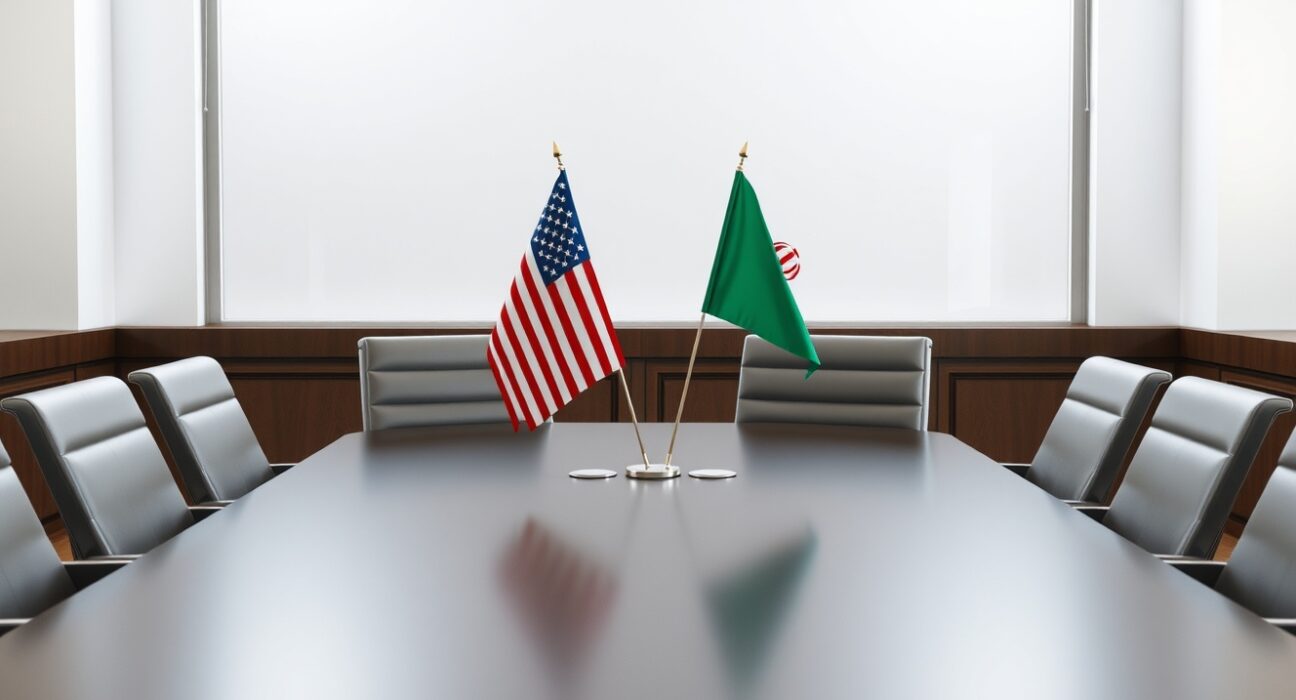
Washington — A senior U.S. official confirmed Monday that technical negotiations with Iran are expected to proceed across the various areas covered by a previously signed memorandum of understanding (MOU). The official, speaking on condition of anonymity, stated that both sides have agreed to maintain restraint for the time being, with a particular focus on ensuring the free passage of ships in key waterways.
Scope of the Negotiations
The technical talks, which have been ongoing for several weeks, cover a range of issues outlined in the MOU. While the official did not disclose specific details, sources familiar with the discussions indicate that the agenda includes maritime security protocols, verification mechanisms, and potential confidence-building measures. The decision to continue talks suggests both parties see value in maintaining a diplomatic channel despite broader tensions.
Mutual Restraint and Maritime Security
The commitment to mutual restraint is a significant development, particularly concerning freedom of navigation. The U.S. official emphasized that ensuring the safe and uninterrupted passage of commercial vessels remains a top priority. This assurance comes amid heightened concerns over potential disruptions in strategic shipping lanes, which could have far-reaching implications for global trade and energy markets. The official’s statement signals a temporary de-escalation in rhetoric and action, creating a window for further diplomatic engagement.
Implications for Regional Stability
Analysts suggest that the continuation of technical talks, even at a measured pace, helps reduce the risk of miscalculation between the two nations. The focus on maritime security is particularly relevant given recent incidents in the Persian Gulf and the Strait of Hormuz, through which a significant portion of the world’s oil supply transits. By agreeing to restraint, both sides are effectively acknowledging the high cost of any disruption. For markets, this provides a degree of stability, though the underlying mistrust remains a volatile factor.
Conclusion
The confirmation that technical negotiations will continue represents a pragmatic step by both Washington and Tehran. While no breakthrough has been announced, the agreement to maintain restraint and ensure freedom of navigation provides a foundation for further dialogue. The situation remains fluid, and the coming weeks will be critical in determining whether these talks can translate into broader diplomatic progress. For now, the commitment to keeping shipping lanes open is a tangible outcome that benefits global commerce and regional stability.
FAQs
Q1: What is the main purpose of the technical talks between the US and Iran?
The talks aim to address specific areas outlined in a memorandum of understanding (MOU), including maritime security and verification measures, with the goal of reducing tensions and ensuring the free passage of ships.
Q2: What does ‘mutual restraint’ mean in this context?
It means both the US and Iran have agreed to avoid provocative actions or rhetoric for a period, particularly in strategic waterways, to allow diplomatic channels to remain open and prevent accidental conflict.
Q3: Why is the free passage of ships a key issue?
Ensuring the safe transit of commercial vessels through key shipping lanes like the Strait of Hormuz is critical for global energy supplies and international trade. Any disruption could lead to significant economic and market instability.
Frequently Asked Questions
What is the main purpose of the technical talks between the US and Iran?
The talks aim to address issues in a previously signed MOU, including maritime security protocols, verification mechanisms, and confidence-building measures.
Why is mutual restraint important in these negotiations?
Mutual restraint helps ensure the free passage of ships in key waterways like the Strait of Hormuz, reducing the risk of disruptions to global trade and energy markets.
What specific area is a top priority for the US in these talks?
Ensuring the safe and uninterrupted passage of commercial vessels is a top priority for the US amid concerns over potential disruptions in strategic shipping lanes.
How do these talks affect regional stability?
They reduce the risk of miscalculation between the two nations and acknowledge the high cost of any disruption in the Persian Gulf and Strait of Hormuz.
Are the talks expected to continue despite broader tensions?
Yes, both sides see value in maintaining a diplomatic channel, and the talks are expected to proceed with a focus on technical issues and temporary de-escalation.
Disclaimer: The information provided is not trading advice, Bitcoinworld.co.in holds no liability for any investments made based on the information provided on this page. We strongly recommend independent research and/or consultation with a qualified professional before making any investment decisions.
