

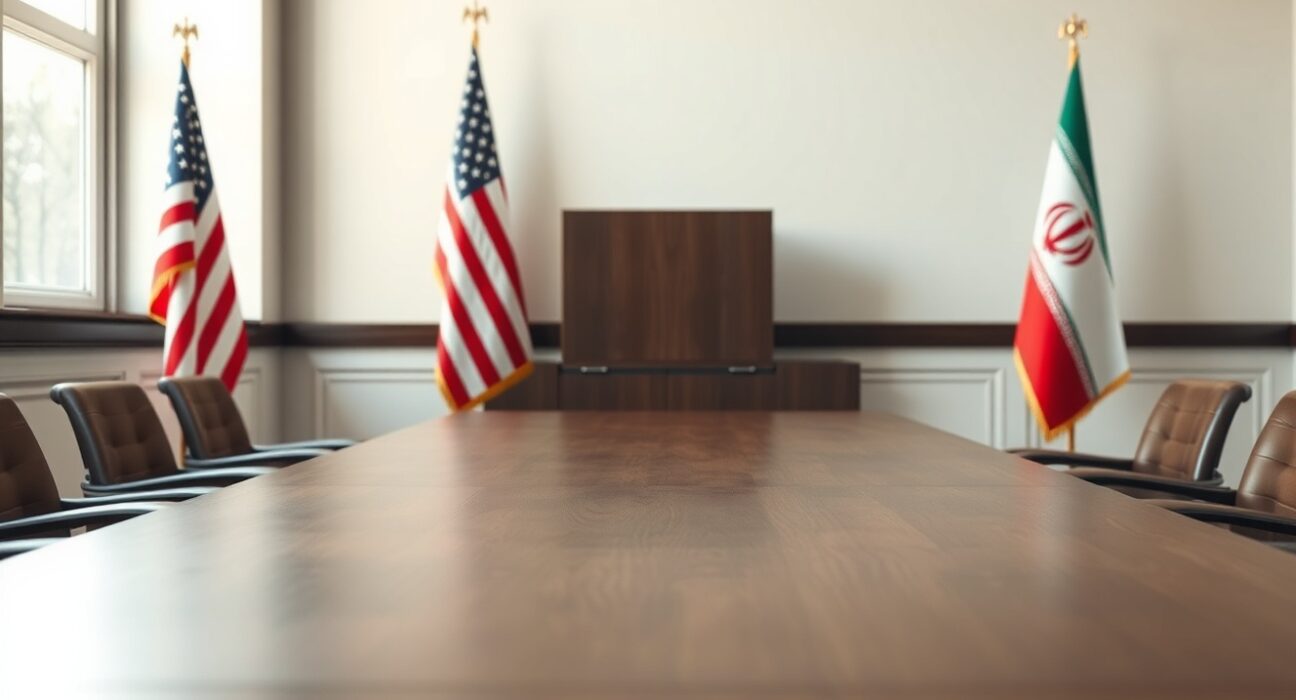
In a significant diplomatic development, the United States and Iran have signaled a potential return to negotiations aimed at de-escalating the ongoing conflict in the Middle East. While official details remain scarce, both sides have indicated through backchannel communications and public statements a willingness to explore a structured dialogue to address the widening regional crisis.
Background of the Current Crisis
The conflict, which has intensified over the past year, has drawn in multiple state and non-state actors across the region. The humanitarian toll has been severe, with thousands of civilian casualties and widespread displacement reported in conflict zones from Gaza to southern Lebanon. The economic impact has been equally devastating, with oil prices experiencing extreme volatility and supply chain disruptions affecting global markets.
Analysts note that the potential talks represent a significant shift from the confrontational posture that has characterized US-Iran relations since the collapse of the 2015 nuclear deal. The current administration has been under increasing pressure from international allies and domestic constituencies to pursue a diplomatic off-ramp before the conflict spirals into a broader regional war.
What the Talks Might Address
Diplomatic sources suggest that any renewed negotiations would likely cover multiple interconnected issues. The primary agenda items are expected to include a ceasefire framework, humanitarian access to affected civilian populations, and a phased de-escalation of military activities by proxy forces in the region.
Additionally, the nuclear question remains a central point of contention. Iran’s enriched uranium stockpile has grown substantially since the US withdrawal from the Joint Comprehensive Plan of Action (JCPOA) in 2018, raising alarm among nonproliferation experts. Any comprehensive agreement would likely need to address both the immediate conflict and the longer-term nuclear safeguards.
Market and Economic Implications
The prospect of diplomatic engagement has already influenced global energy markets. Crude oil prices experienced a moderate decline in early trading following the news, as traders priced in the possibility of reduced supply disruptions. However, analysts caution that markets remain highly sensitive to any breakdown in talks or renewed hostilities.
Shipping insurance premiums for vessels transiting the Strait of Hormuz, a critical chokepoint for global oil shipments, have remained elevated despite the diplomatic signals. The region’s maritime security remains fragile, with several commercial vessels having been targeted or seized in recent months.
Challenges Ahead
Despite the encouraging signals, significant obstacles remain. Hardline factions within both governments have expressed skepticism about the value of negotiations, arguing that the other side cannot be trusted to honor commitments. Previous rounds of talks in Vienna and Doha collapsed over disagreements on sanctions relief, verification mechanisms, and the sequencing of reciprocal actions.
Regional powers, including Saudi Arabia, Israel, and the United Arab Emirates, are closely monitoring the situation. Their security concerns and strategic interests will need to be factored into any comprehensive settlement. Israel has publicly stated its opposition to any agreement that does not fully dismantle Iran’s nuclear infrastructure, while Gulf states have sought guarantees against Iranian missile programs and proxy militias.
Conclusion
The potential return to US-Iran talks marks a critical juncture in the Middle East conflict. While the path to a negotiated settlement remains uncertain and fraught with political obstacles, the mere willingness to engage in dialogue represents a meaningful departure from the current trajectory of escalation. The coming weeks will be decisive in determining whether these initial signals translate into concrete diplomatic progress or whether the region slides further into protracted conflict.
FAQs
Q1: Why are the US and Iran considering talks now?
A: Both sides face mounting domestic and international pressure to de-escalate the conflict. The humanitarian crisis, economic disruption, and risk of broader regional war have made diplomatic engagement increasingly necessary.
Q2: What are the main obstacles to successful negotiations?
A: Key obstacles include mutual distrust, disagreement over the scope of negotiations (nuclear program vs. regional activities), opposition from hardliners in both governments, and the security concerns of regional allies like Israel and Saudi Arabia.
Q3: How might renewed talks affect global oil prices?
A: If talks lead to a credible ceasefire and reduced supply disruptions, oil prices could stabilize or decline. However, any breakdown in negotiations or renewed hostilities would likely cause prices to spike sharply due to the region’s importance to global energy supplies.
Frequently Asked Questions
Why are the US and Iran suddenly signaling a return to negotiations now?
Both sides are under pressure to prevent the conflict from escalating into a broader regional war, with international allies and domestic constituencies pushing for a diplomatic off-ramp.
What specific issues would these talks cover?
The talks are expected to address a ceasefire framework, humanitarian access to affected civilians, phased de-escalation of proxy forces, and the nuclear question regarding Iran’s enriched uranium stockpile.
How does the collapse of the 2015 nuclear deal relate to the current crisis?
The US withdrawal from the JCPOA in 2018 led to a confrontational posture and allowed Iran to substantially grow its enriched uranium stockpile, making nuclear safeguards a key issue in any new talks.
What is the humanitarian impact of the ongoing conflict?
Thousands of civilians have been killed or displaced across conflict zones from Gaza to southern Lebanon, with severe economic effects including oil price volatility and global supply chain disruptions.
Are these talks likely to succeed given past failures?
While analysts see the shift from confrontation as significant, success remains uncertain because official details are scarce and the talks must address both the immediate conflict and long-term nuclear safeguards.
Disclaimer: The information provided is not trading advice, Bitcoinworld.co.in holds no liability for any investments made based on the information provided on this page. We strongly recommend independent research and/or consultation with a qualified professional before making any investment decisions.
