

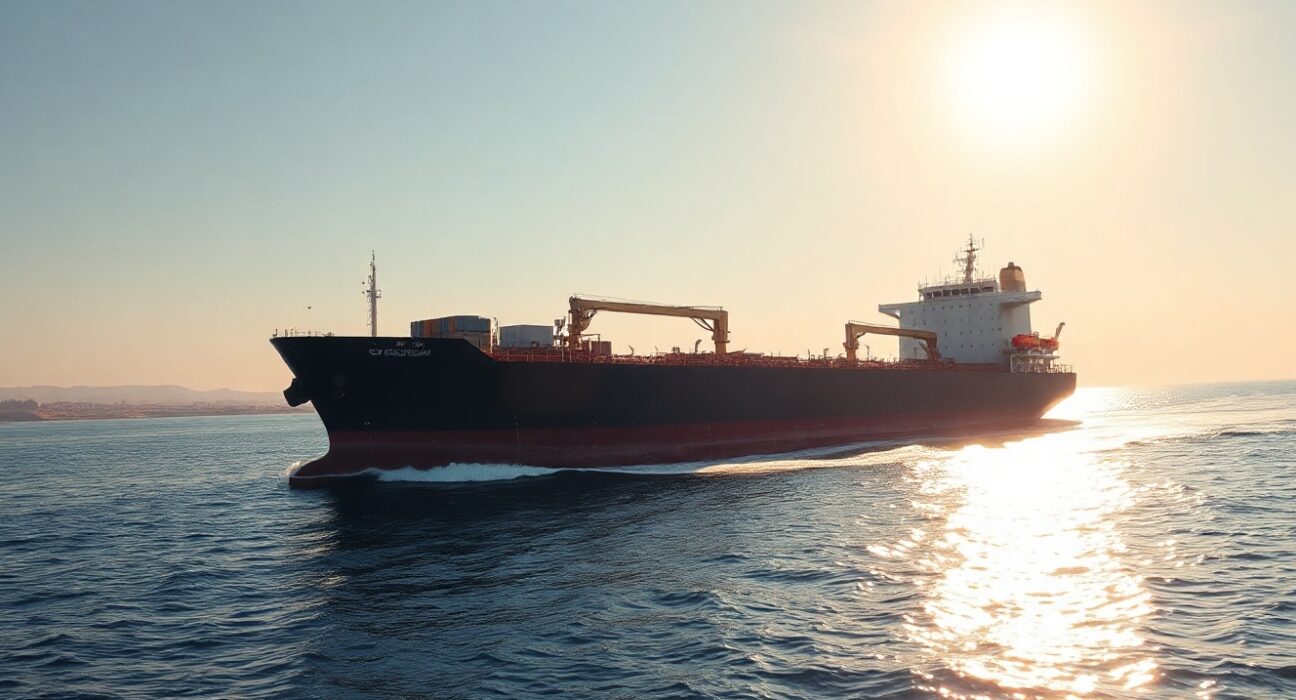
WTI crude oil prices surged more than 3% on [Date] after Iran indicated that the reopening of the Strait of Hormuz, a critical chokepoint for global oil shipments, would depend on specific conditions being met. The development reintroduced geopolitical risk premium into the market, as traders weighed potential supply disruptions from the region that handles roughly 20% of global petroleum consumption.
What Conditions Did Iran Set?
Iranian officials, speaking through state media, stated that the Strait of Hormuz would only be fully reopened if certain unspecified security and economic demands are addressed. While details remain vague, analysts interpret this as a negotiating tactic linked to broader tensions over sanctions, nuclear talks, and regional military posture. The ambiguity itself is enough to keep markets on edge, as any prolonged closure could severely impact oil flows from Saudi Arabia, Iraq, the UAE, and other Gulf producers.
Market Reaction and Price Levels
As of [Date], WTI futures for [Month] delivery traded at $[Price] per barrel, up [Percentage]% on the day. Brent crude, the international benchmark, also climbed, reflecting the global nature of the risk. The spike was driven by short-covering and algorithmic buying, but underlying sentiment remains cautious. Traders are closely monitoring any concrete actions from Tehran, as well as diplomatic responses from the U.S. and Gulf allies.
Why the Strait of Hormuz Matters
The Strait of Hormuz is a narrow waterway between Iran and Oman, connecting the Persian Gulf with the Gulf of Oman and the Arabian Sea. Approximately 21 million barrels of oil pass through daily, representing about 21% of global liquid fuels consumption, according to the U.S. Energy Information Administration. A disruption, even temporary, would have immediate and severe consequences for global energy prices and supply chains.
Broader Geopolitical Context
This development comes amid heightened tensions between Iran and the West, following recent incidents involving tankers and military assets in the region. Iran has previously threatened to close the strait in response to sanctions or military action, though it has rarely followed through fully. The current situation appears to be part of a larger diplomatic standoff, with Iran seeking leverage in ongoing negotiations over its nuclear program and economic relief.
Impact on Consumers and Businesses
For consumers, higher oil prices typically translate to increased costs at the pump and higher prices for goods that depend on transportation. Businesses, particularly in the energy and logistics sectors, are already adjusting forecasts to account for potential volatility. The broader economic impact could be significant if prices sustain above current levels, potentially influencing central bank policies and inflation expectations.
Conclusion
The 3% jump in WTI oil reflects the market’s acute sensitivity to any disruption risk in the Strait of Hormuz. While the situation remains fluid and conditions are not fully clarified, the geopolitical premium is likely to persist until there is a clear resolution. Investors and consumers should brace for continued volatility, as any further escalation could push prices higher, while diplomatic progress could quickly reverse gains.
FAQs
Q1: What is the Strait of Hormuz and why is it important for oil prices?
The Strait of Hormuz is a narrow waterway between Iran and Oman, through which about 21 million barrels of oil pass daily, roughly 21% of global consumption. Any disruption there directly impacts global oil supply and prices.
Q2: How did WTI oil react to Iran’s conditions?
WTI crude rose over 3% on the news, as traders priced in a higher risk of supply disruptions. The exact price level depends on the date of the report, but the move reflects heightened geopolitical risk.
Q3: Could Iran actually close the Strait of Hormuz?
Iran has threatened closure in the past, but full closure is considered unlikely due to its own reliance on the waterway for exports and the risk of military retaliation. However, even temporary disruptions or harassment of shipping can cause significant market reactions.
Disclaimer: The information provided is not trading advice, Bitcoinworld.co.in holds no liability for any investments made based on the information provided on this page. We strongly recommend independent research and/or consultation with a qualified professional before making any investment decisions.
