

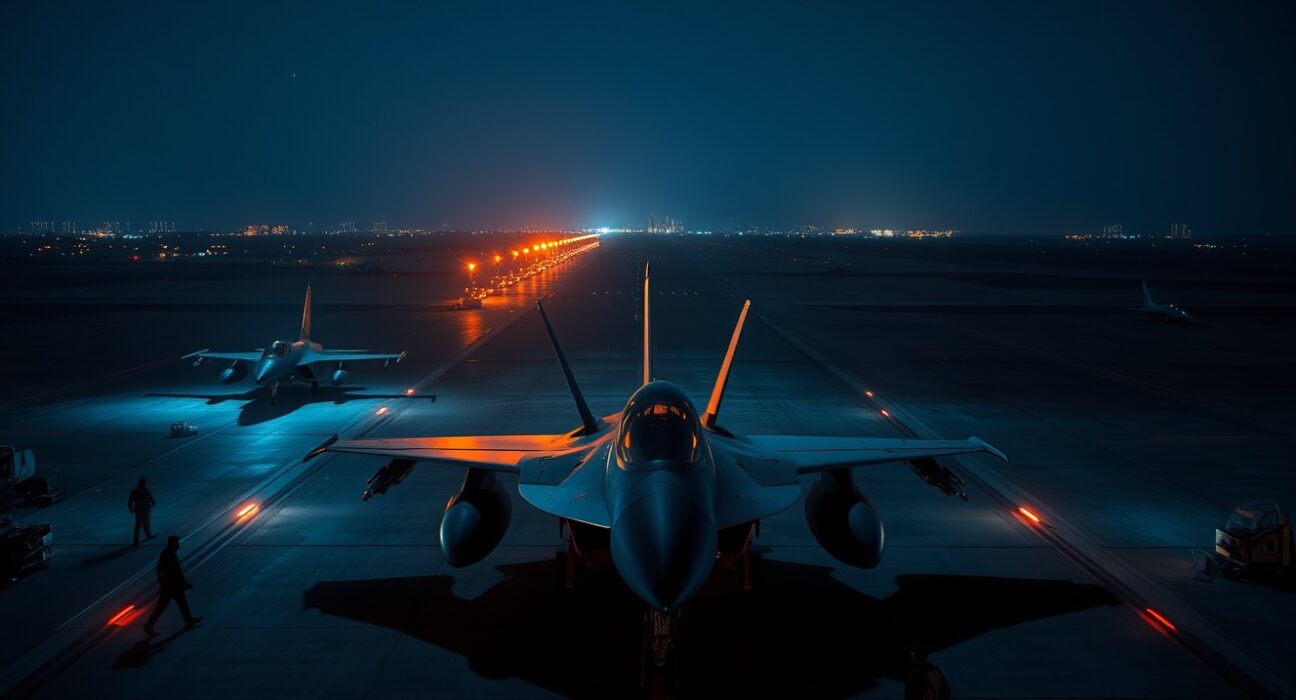
The United States and Israel are considering a renewed military offensive against Iran that could begin as early as next week, according to multiple U.S. officials familiar with the planning. The Pentagon is reportedly preparing to restart operations after diplomatic negotiations have stalled, raising the prospect of a significant escalation in the region.
Pentagon Prepares for Large-Scale Operations
U.S. defense officials have outlined options that include large-scale bombing campaigns targeting Iranian military infrastructure and facilities believed to be linked to nuclear development. In addition, the deployment of special operations forces on the ground to secure nuclear materials is under serious consideration. Hundreds of special operations personnel were already dispatched to the Middle East in March, though officials acknowledge that any ground mission carries substantial risks.
Naval and Air Force Resupply Underway
Since a ceasefire was reached in early April, the U.S. military has quietly resupplied ammunition to its warships and fighter jets stationed in the region. This logistical preparation suggests that the Pentagon is positioning assets for sustained operations rather than limited strikes. The resupply effort, combined with the forward deployment of special operations forces, indicates a level of readiness that goes beyond routine posture adjustments.
Why This Matters for Regional Stability
The potential resumption of military action comes at a time when diplomatic channels appear to have reached an impasse. Negotiations between the U.S., Israel, and Iran have failed to produce a breakthrough on key issues, including Iran’s nuclear program and its regional military activities. Analysts warn that a renewed offensive could trigger broader conflict, drawing in proxy forces and impacting global energy markets. For readers, the situation underscores the fragile state of Middle East security and the high stakes involved in the ongoing standoff.
Conclusion
As the U.S. and Israel weigh their next steps, the possibility of military strikes against Iran within days remains a serious and developing story. The Pentagon’s preparations, combined with stalled negotiations, point toward a potential escalation that could reshape the region’s geopolitical landscape. Further developments are expected in the coming days.
FAQs
Q1: Why are the US and Israel considering military action against Iran now?
Diplomatic negotiations have stalled, and both nations view Iran’s nuclear program and regional activities as an ongoing threat. Military options are being prepared as a contingency to prevent further nuclear advancement.
Q2: What kind of military operations are being considered?
Plans include large-scale bombing of Iranian military and nuclear infrastructure, as well as potential ground missions by special operations forces to secure nuclear materials. Naval and air assets have been resupplied in the region.
Q3: How would this affect the broader Middle East?
A renewed offensive could escalate into a wider regional conflict, involving Iran’s allied militias and potentially disrupting global oil supplies. The situation remains highly volatile, with significant implications for international security.
Disclaimer: The information provided is not trading advice, Bitcoinworld.co.in holds no liability for any investments made based on the information provided on this page. We strongly recommend independent research and/or consultation with a qualified professional before making any investment decisions.
