
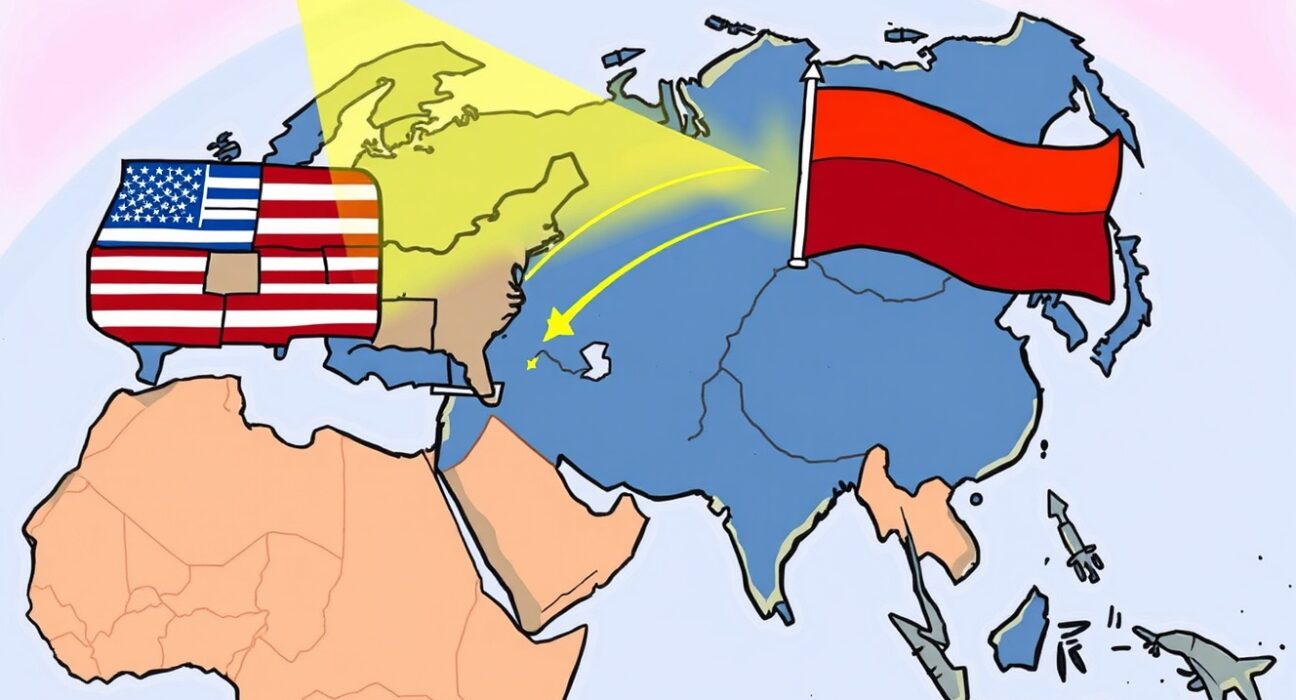
Recent reports from The Wall Street Journal indicate a significant potential shift in international policy, suggesting that President Donald Trump is open to reconsidering restrictions on the use of US long-range weapons inside Russia. This development, if it comes to fruition, could mark a pivotal moment in geopolitical strategy, prompting widespread discussion and analysis among policymakers and global observers alike.
What Does Lifting Restrictions on US Long-Range Weapons Mean?
Currently, there are understood limitations regarding how U.S.-made weaponry, particularly those with extended reach, can be employed by allies. These restrictions often dictate that such armaments should not be used for direct strikes within Russian territory. Lifting these restrictions would essentially grant greater operational flexibility to nations utilizing these US long-range weapons.
This potential policy change could empower allies with more autonomy in defending their sovereignty and responding to perceived threats. Moreover, it could signal a more assertive stance from the United States regarding its approach to international conflicts.
Why Is This Policy Shift Being Considered Now?
The timing of this consideration is crucial. Global tensions remain elevated, and the dynamics of international conflicts are constantly evolving. Therefore, discussions around strategic capabilities, including the deployment and use of US long-range weapons, are often influenced by the current geopolitical landscape.
It is plausible that such a move aims to:
- Enhance deterrence capabilities against aggression.
- Provide stronger support to allies facing external pressures.
- Realign U.S. foreign policy to adapt to new global challenges.
This reported openness suggests a strategic re-evaluation of existing doctrines, aiming to bolster security frameworks in a complex world.
What Are the Potential Geopolitical Ramifications?
A decision to lift restrictions on US long-range weapons use could have far-reaching consequences. On one hand, it might be viewed by some as a necessary step to rebalance power dynamics and ensure stability. It could provide a stronger deterrent, potentially discouraging escalations by adversaries.
On the other hand, critics might express concerns about the potential for escalation. They could argue that such a move might be perceived as provocative, leading to heightened tensions rather than de-escalation. The international community would undoubtedly scrutinize any such policy change, weighing its implications for global peace and security.
Challenges and Considerations for US Long-Range Weapons Policy
Implementing such a significant policy shift is not without its challenges. Decision-makers would need to carefully consider several factors:
- International Law: Ensuring compliance with international legal frameworks and conventions.
- Allied Consensus: Building and maintaining consensus among key allies, as their cooperation is vital.
- Risk Assessment: Thoroughly evaluating the potential for unintended consequences or retaliatory actions.
- Public Perception: Managing domestic and international public opinion regarding the change.
The discussion around US long-range weapons highlights the delicate balance between asserting national interests and maintaining global stability. Any decision would require meticulous planning and diplomacy to navigate the complex web of international relations.
In conclusion, President Trump’s reported openness to lifting restrictions on the use of U.S.-made long-range weapons inside Russia represents a significant policy consideration with profound geopolitical implications. This potential shift underscores the ongoing re-evaluation of international defense strategies and the continuous effort to adapt to an ever-changing global environment. The world will be watching closely to see how these discussions evolve and what impact they may ultimately have on the future of international relations.
Frequently Asked Questions (FAQs)
Q1: What are US long-range weapons?
US long-range weapons typically refer to military armaments manufactured in the United States that possess the capability to strike targets at significant distances, often beyond conventional battlefield ranges. This can include various missile systems, artillery, or aerial platforms.
Q2: What restrictions are currently in place for these weapons?
Existing restrictions often involve agreements or understandings that prevent allies using U.S.-supplied weaponry from directly targeting territory within Russia. These limitations are generally in place to manage escalation risks and maintain certain geopolitical boundaries.
Q3: How would lifting these restrictions impact international relations?
Lifting these restrictions could be seen as a more assertive stance by the U.S. and its allies, potentially increasing deterrence but also raising concerns about escalation among some international observers. It could lead to a re-evaluation of defense postures globally.
Q4: Who reported on President Trump’s openness to this policy change?
The report regarding President Trump’s openness to this policy change was published by The Wall Street Journal, a reputable source for financial and business news, which often covers broader political and international developments.
Q5: Is this policy change confirmed?
As of the report, President Trump has indicated an openness to the possibility, but it is not a confirmed or enacted policy change. Such decisions typically involve extensive internal discussions, consultations with allies, and careful strategic considerations.
If you found this analysis on the potential shift in US long-range weapons policy insightful, please consider sharing it with your network. Your engagement helps us bring critical geopolitical insights to a wider audience. To learn more about the latest geopolitical trends, explore our article on key developments shaping global stability and international policy.
Disclaimer: The information provided is not trading advice, Bitcoinworld.co.in holds no liability for any investments made based on the information provided on this page. We strongly recommend independent research and/or consultation with a qualified professional before making any investment decisions.