

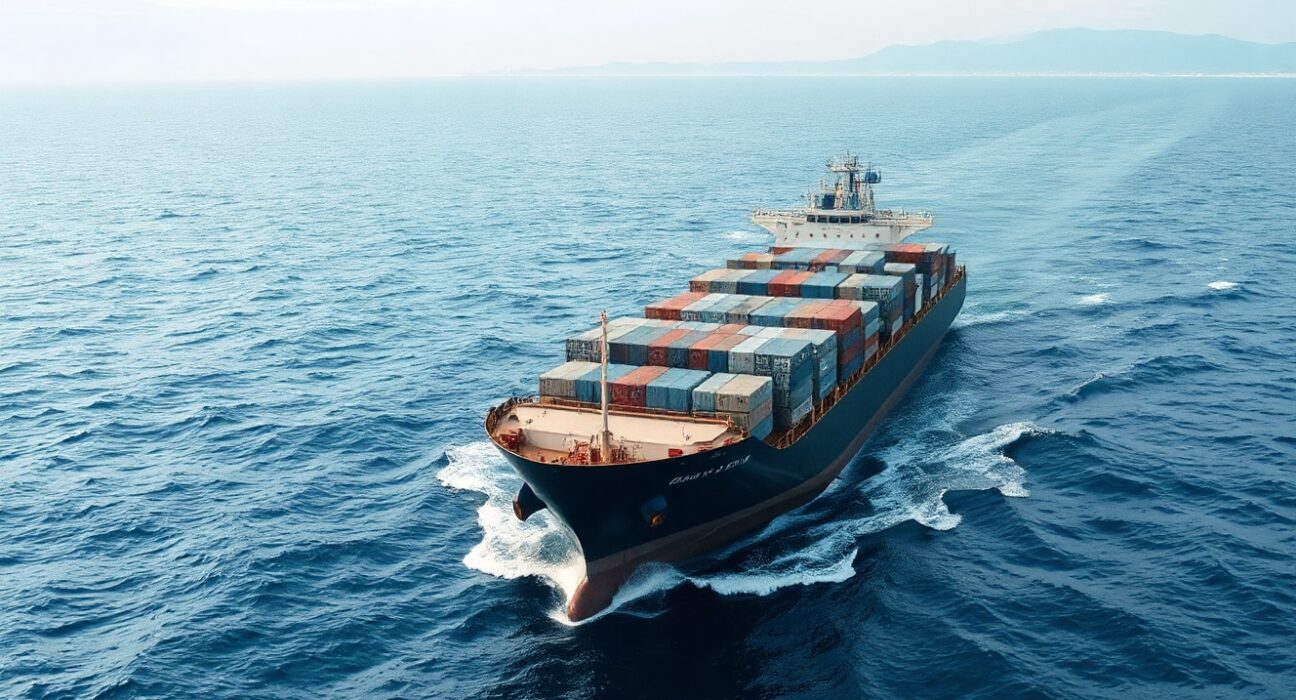
The United States military confirmed yesterday that it has lifted its maritime blockade on all shipping to and from Iranian ports and coastal areas. In a brief statement, officials said that naval vessels are no longer blocking the passage of ships and that all enforcement activities related to the blockade have been suspended.
Background and timeline of the blockade
The blockade was initially imposed by the U.S. Navy as part of heightened sanctions enforcement against Iran, aimed at restricting oil exports and other commercial maritime traffic. The move followed escalating tensions between Washington and Tehran over Iran’s nuclear program and regional military activities. The blockade had been in effect for several months, disrupting shipping lanes in the Persian Gulf and the Strait of Hormuz, a critical chokepoint for global oil shipments.
Implications for trade and oil markets
The lifting of the blockade is expected to ease shipping congestion and reduce insurance premiums for vessels operating in the region. Iranian ports, including Bandar Abbas and Kharg Island—home to Iran’s largest oil export terminal—are now accessible without the threat of U.S. interdiction. Analysts predict a potential short-term increase in Iranian oil exports, which could put downward pressure on global crude prices, though the full effect will depend on remaining sanctions and buyer willingness.
Regional and geopolitical reactions
Reactions from regional powers have been mixed. Iran’s government welcomed the decision, calling it a step toward de-escalation. Meanwhile, U.S. allies in the Gulf, including Saudi Arabia and the United Arab Emirates, have expressed caution, citing concerns over Iran’s regional influence. The move also comes amid ongoing diplomatic efforts to revive the Joint Comprehensive Plan of Action (JCPOA), the 2015 nuclear deal.
Conclusion
The U.S. military’s decision to lift the maritime blockade on Iranian ports marks a significant shift in enforcement posture. While it does not signal a full normalization of trade relations, it removes a major obstacle to commercial shipping in the region. The long-term impact will depend on broader diplomatic and economic developments between the United States and Iran.
FAQs
Q1: Why did the U.S. military impose a maritime blockade on Iranian ports?
The blockade was part of a broader sanctions enforcement strategy to restrict Iran’s oil exports and pressure the government over its nuclear program and regional activities.
Q2: What does lifting the blockade mean for global oil prices?
It could lead to a modest increase in Iranian oil exports, potentially lowering crude prices. However, other sanctions and market dynamics will also play a role.
Q3: Are all U.S. sanctions on Iran now lifted?
No. The lifting of the maritime blockade is a specific operational change. Broader U.S. sanctions on Iran remain in place unless modified by executive or legislative action.
Disclaimer: The information provided is not trading advice, Bitcoinworld.co.in holds no liability for any investments made based on the information provided on this page. We strongly recommend independent research and/or consultation with a qualified professional before making any investment decisions.
