

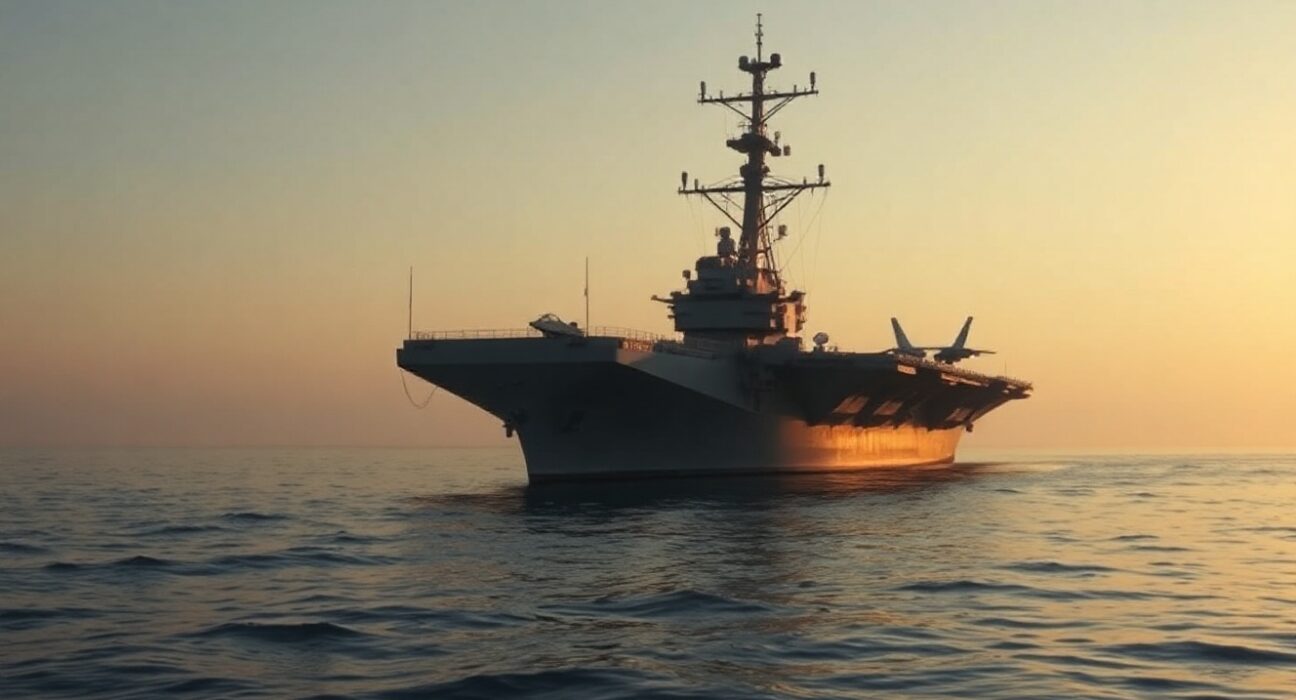
A senior U.S. official has confirmed that the United States intends to maintain its military footprint across the Middle East throughout the current period of diplomatic negotiations. The statement, delivered on condition of anonymity, underscores Washington’s strategy of leveraging military readiness as a backdrop for political dialogue.
Strategic Continuity Amid Talks
The decision to sustain troop levels and naval assets in the region reflects a calculated approach to negotiations. By preserving a visible military posture, U.S. policymakers aim to deter potential adversaries from exploiting the diplomatic window while reassuring allies of continued American commitment. This is not a new deployment but a deliberate maintenance of existing force levels, the official emphasized.
Historically, the U.S. has often adjusted its regional military presence in response to shifting diplomatic phases. However, this latest guidance signals a preference for stability over drawdowns during sensitive talks, a move that analysts say provides both leverage and insurance against unforeseen escalations.
Regional and Geopolitical Implications
The announcement arrives amid a complex landscape of ongoing dialogues involving multiple state and non-state actors. Maintaining a robust military component allows the U.S. to respond rapidly if negotiations stall or if hostile actions threaten the process. It also sends a clear signal to partners in the Gulf and beyond that security guarantees remain in effect.
Critics may argue that a heavy military presence could complicate diplomatic trust, particularly with nations that view such forces as provocative. Yet the official’s remarks suggest the administration has weighed these risks and concluded that the deterrent and stabilizing benefits outweigh potential diplomatic friction.
What This Means for Regional Stability
For readers, the core takeaway is that the U.S. is not pursuing a purely diplomatic path in isolation. Instead, it is pursuing a dual-track strategy where military posture and political engagement operate in parallel. This approach is designed to prevent any party from miscalculating U.S. resolve during a period of flux.
The decision also has practical implications for defense logistics, troop rotations, and allied coordination. Military planners will continue to execute routine operations and patrols, ensuring that the U.S. can shift from negotiation to action without delay if necessary.
Conclusion
The U.S. plan to keep its Middle East military presence steady during negotiations reflects a pragmatic blend of deterrence and diplomacy. While the talks themselves remain fluid, this posture provides a foundation of strategic consistency. The coming weeks will test whether this dual approach advances the desired outcomes or introduces new complexities into an already volatile region.
FAQs
Q1: Why is the U.S. keeping troops in the Middle East during negotiations?
A: The U.S. aims to deter potential aggression, reassure allies, and maintain rapid response capability while diplomatic talks are underway. It is a strategy of preserving leverage and stability.
Q2: Does this mean the U.S. is increasing its military presence?
A: No. The official stated that the U.S. plans to maintain existing force levels, not deploy additional troops or assets. It is a decision to sustain, not escalate.
Q3: Could this military presence affect the negotiations?
A: It may influence the negotiating atmosphere. Some parties might view the presence as a sign of resolve, while others could see it as pressure. The U.S. calculates that the stabilizing effect outweighs potential diplomatic costs.
Disclaimer: The information provided is not trading advice, Bitcoinworld.co.in holds no liability for any investments made based on the information provided on this page. We strongly recommend independent research and/or consultation with a qualified professional before making any investment decisions.
