

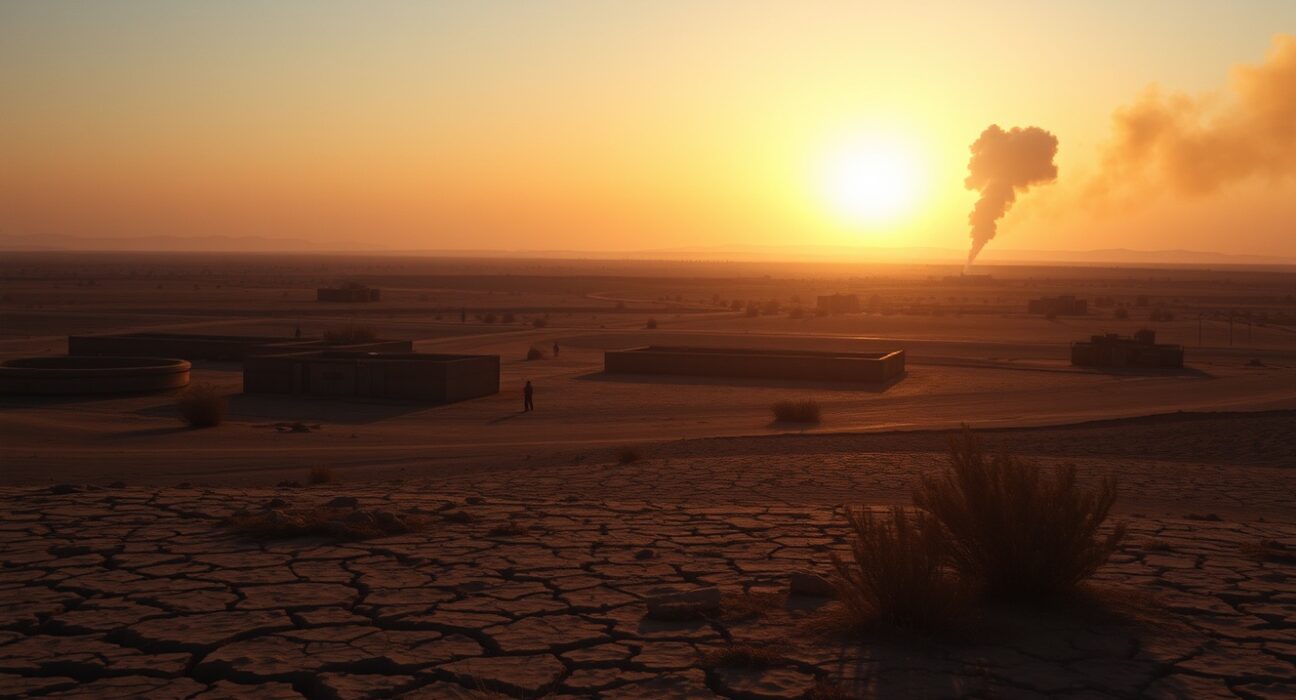
The United States military conducted precision strikes on multiple Iranian-linked facilities in eastern Syria late Thursday, according to a statement from the Pentagon. The operation targeted what officials described as command centers, weapons storage sites, and logistical hubs used by Iranian Islamic Revolutionary Guard Corps (IRGC) units and affiliated militia groups. Despite the scale of the operation, the Pentagon explicitly stated that Washington does not seek a broader military confrontation with Tehran.
Background and Justification for the Strikes
The airstrikes come in direct response to a series of escalating attacks on US and coalition forces stationed in Iraq and Syria over the past two weeks. Pentagon Press Secretary Major General Pat Ryder confirmed that at least three drone and rocket attacks had targeted US personnel at bases near the Syrian border, resulting in minor injuries to several service members. The US assessment attributes these attacks to Iranian-backed proxy groups operating with logistical support from IRGC elements based in Syria.
This is not the first time the Biden administration has authorized strikes against Iranian-linked targets in the region. Similar operations occurred in October 2023 and February 2024, following previous rounds of militia attacks. However, the current strikes are notable for their precision and the deliberate choice of targets located in less densely populated areas, a tactical decision aimed at minimizing civilian casualties while degrading the operational capability of the proxy forces.
Pentagon’s De-escalation Message
In a carefully worded statement, the Pentagon emphasized that the strikes were defensive in nature and proportional to the threat. “The United States does not seek conflict with Iran, nor does it seek a broader war in the Middle East,” the statement read. “These targeted strikes are intended to protect American personnel and degrade the ability of Iranian-backed groups to conduct future attacks.”
This dual message—demonstrating military resolve while explicitly ruling out escalation—is a calculated strategic approach. Analysts suggest it is designed to deter further attacks from Tehran’s proxies without giving hardliners in Iran justification for a direct military response. The Biden administration is keenly aware that any miscalculation could spiral into a wider regional conflict, particularly with the ongoing Israel-Hamas war and heightened tensions along the Lebanon-Israel border.
Regional and Global Implications
The strikes have immediate implications for energy markets and regional stability. Crude oil prices saw a modest uptick in early Asian trading on Friday, as traders priced in a slightly elevated risk premium. However, the price movement was contained, reflecting market confidence that both Washington and Tehran are currently prioritizing de-escalation. The Strait of Hormuz, a critical chokepoint for global oil shipments, remains unaffected.
Diplomatic channels remain open. US officials have reportedly communicated indirectly with Iranian counterparts through Swiss intermediaries, reinforcing the message that the strikes were limited in scope and not a precursor to broader military action. Meanwhile, Russia and China have called for restraint from all parties, urging adherence to UN Security Council resolutions regarding Syrian sovereignty.
Conclusion
The US military strikes on Iranian-linked sites in Syria represent a calibrated use of force aimed at protecting American personnel while avoiding a wider war. The Pentagon’s explicit statement that it does not seek escalation provides a clear off-ramp for de-escalation, provided Tehran chooses not to retaliate. For now, the situation remains contained, but the underlying tensions between the two nations continue to simmer beneath the surface, with the potential to flare up again at any moment.
FAQs
Q1: Why did the US strike Iranian-linked sites in Syria?
The strikes were a direct response to a series of drone and rocket attacks by Iranian-backed militia groups on US and coalition forces stationed in Iraq and Syria over the preceding two weeks. The Pentagon assessed that these groups operate with logistical and command support from Iran’s Islamic Revolutionary Guard Corps.
Q2: Does the US want a war with Iran?
No. The Pentagon explicitly stated that the United States does not seek conflict with Iran or a broader war in the Middle East. The strikes were described as defensive, proportional, and limited in scope, aimed solely at protecting American personnel.
Q3: How have oil markets reacted to the strikes?
Crude oil prices saw a modest increase of less than 1% in early trading following the news, reflecting a cautious but not panicked market response. Traders appear to believe that both sides are prioritizing de-escalation, and the Strait of Hormuz remains unaffected.
Disclaimer: The information provided is not trading advice, Bitcoinworld.co.in holds no liability for any investments made based on the information provided on this page. We strongly recommend independent research and/or consultation with a qualified professional before making any investment decisions.
